Sativa Plant

1 / 5

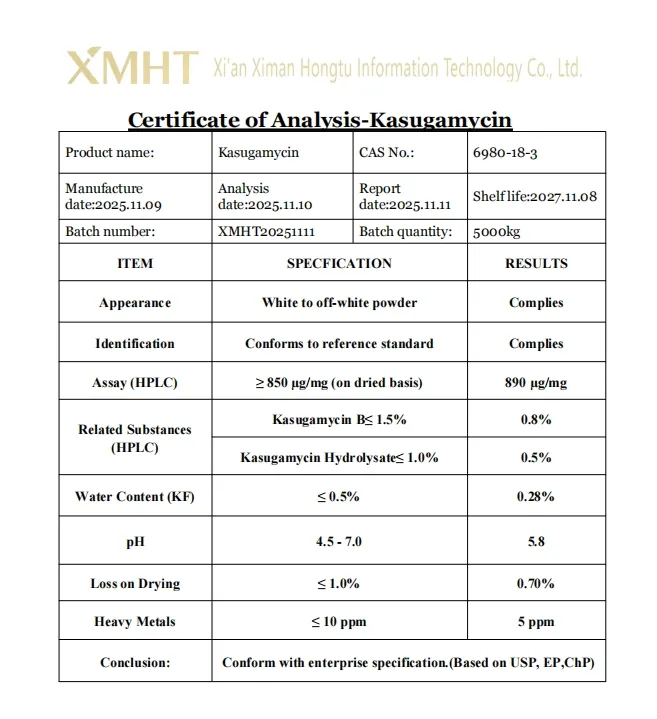
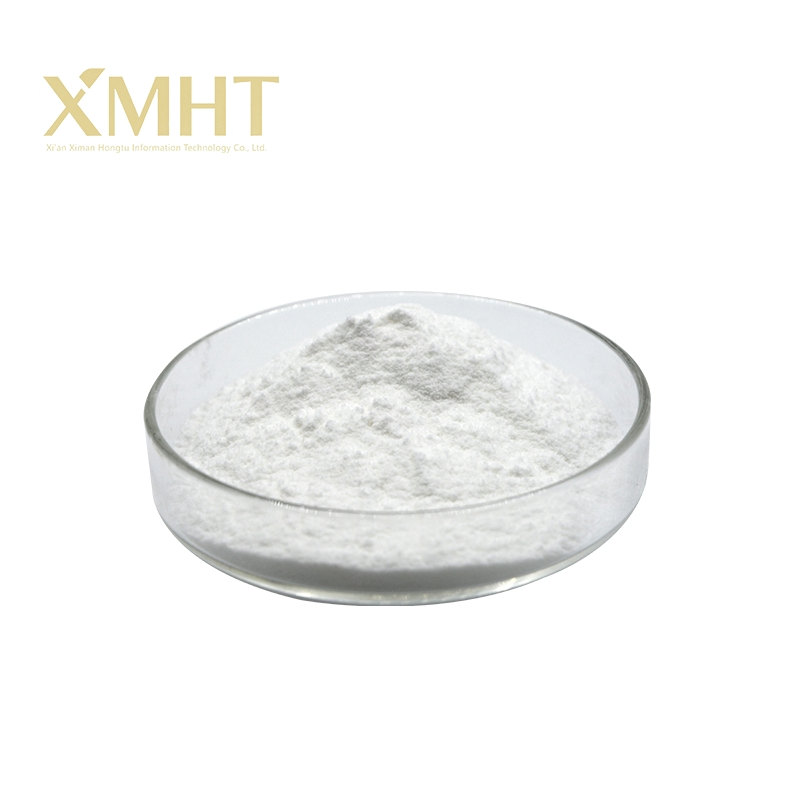
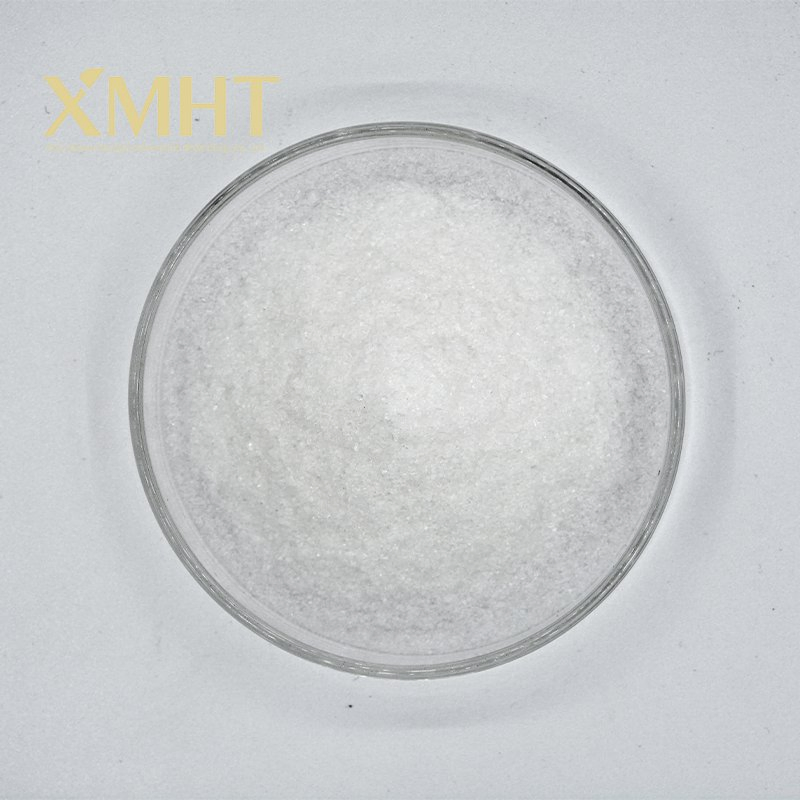
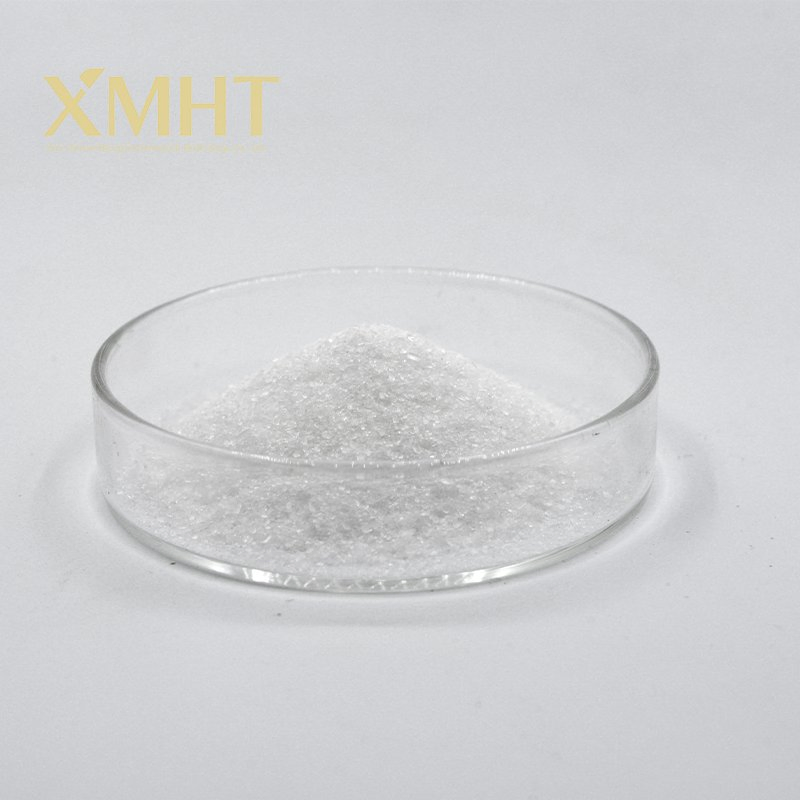
Kasugamycin is an aminoglycoside antibiotic with a unique and specific mechanism of action that distinguishes it from classical aminoglycosides like streptomycin or gentamicin. Its primary and most significant mode of action in both agricultural and basic research contexts is the selective inhibition of prokaryotic protein synthesis at the initiation stage.

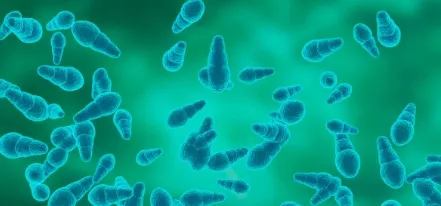
A cornerstone of kasugamycin research is its application in plant pathology and agricultural science. It was discovered and has been extensively used as a highly effective and environmentally selective agent against the rice blast fungus (Magnaporthe oryzae).
In the field of bacterial genetics and molecular biology, kasugamycin serves as an important selective agent and research tool. It is employed to study ribosome heterogeneity and stress adaptation, helping scientists understand how bacteria produce alternative ribosomes under antibiotic pressure.