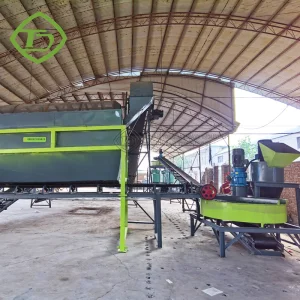
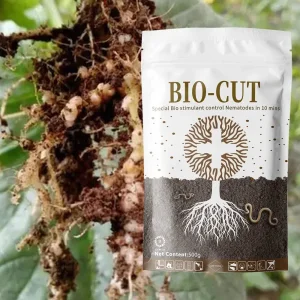
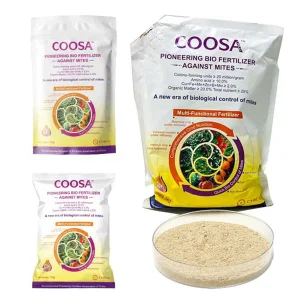
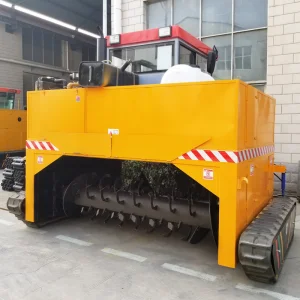
Basic Information
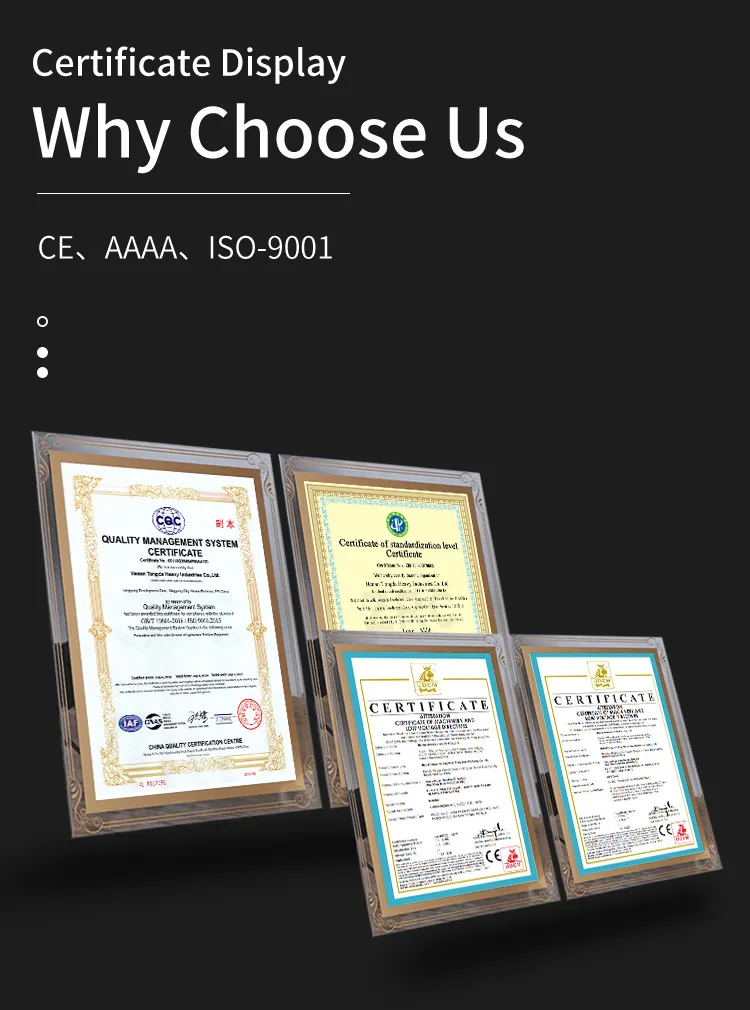
CertificationCE, ISO
Key Selling PointsHigh Productivity
Core ComponentsEngine, Gearbox, Motor, Gear
FeaturesHydraulic/Crawler Type
HS Code8479820090
Production Capacity20 Items Per Month
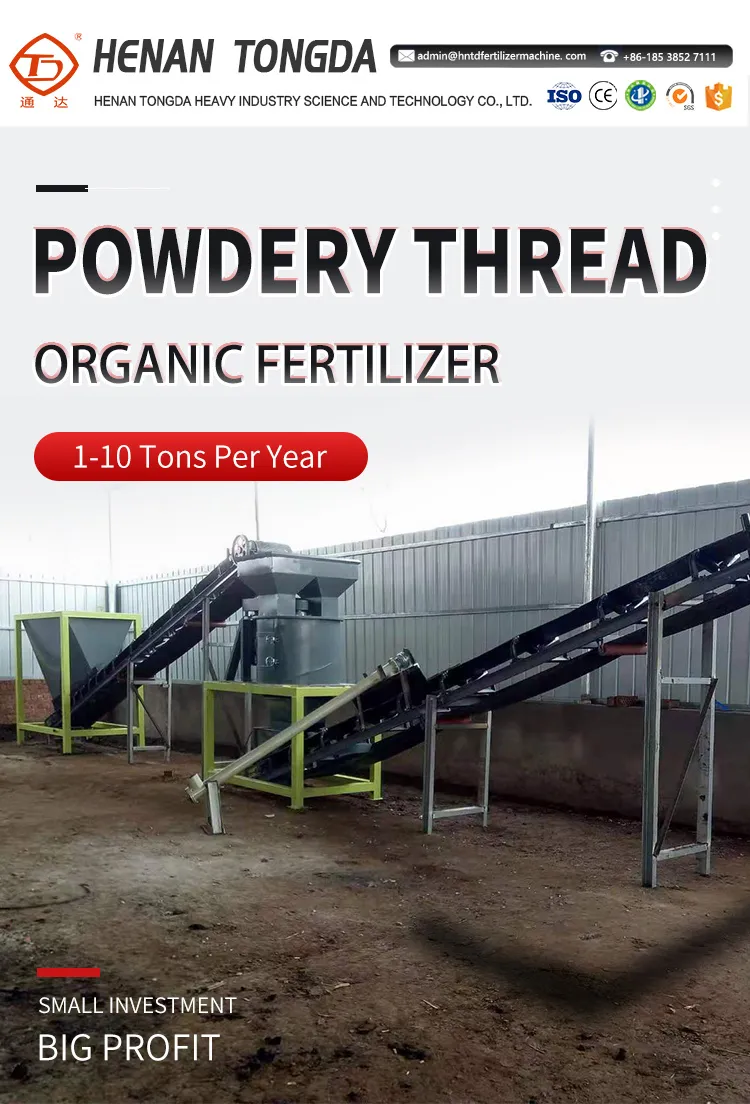
Advanced Organic Fertilizer Production Line
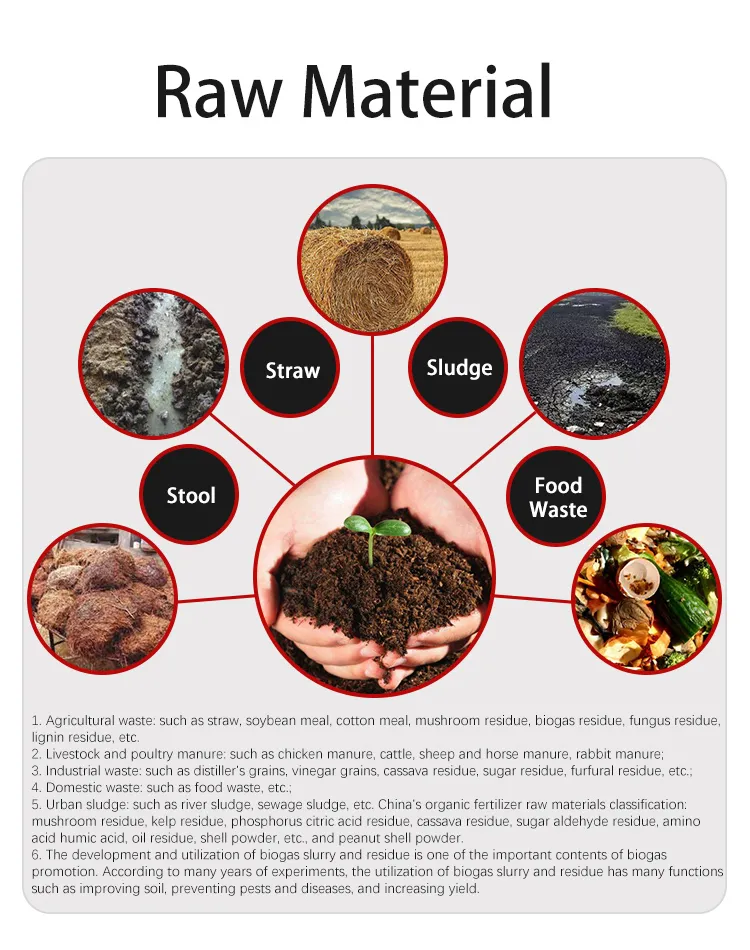
Organic Fertilizer Raw Materials
- Agricultural Waste: Straw, soybean meal, cotton meal, mushroom residue, biogas residue, lignin residue, etc.
- Livestock & Poultry Manure: Chicken, cattle, sheep, horse, and rabbit manure.
- Industrial Waste: Distiller's grains, vinegar grains, cassava residue, sugar residue, furfural residue.
- Domestic & Urban Waste: Food waste, river sludge, and sewage sludge.
- Biogas Utilization: Biogas slurry and residue for soil improvement and pest prevention.
Advantages of Powder Fertilizer Line
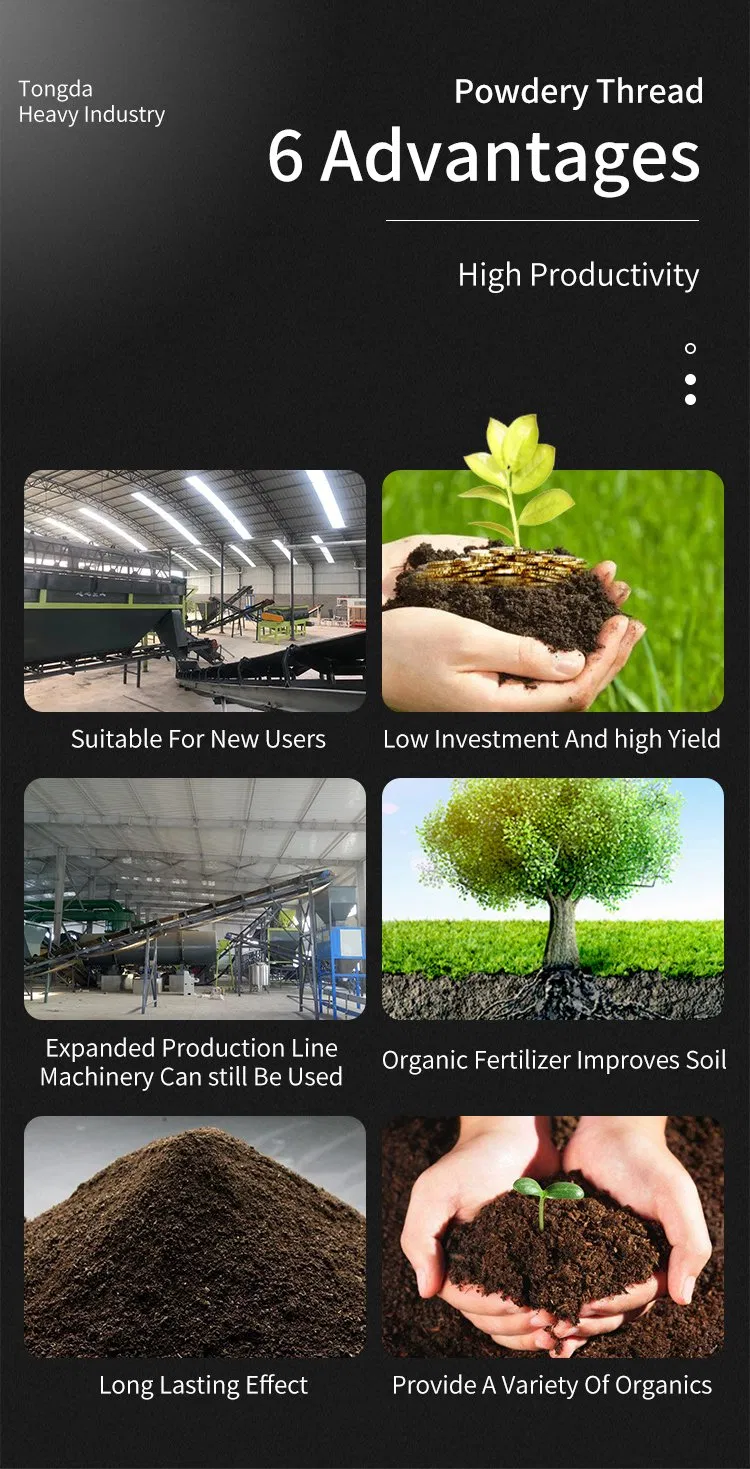
Low Investment, High Return
Ideal for New Starters
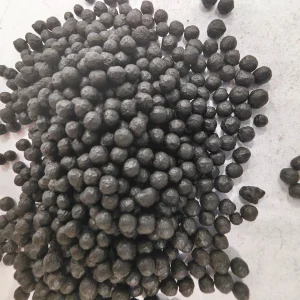
Scalable to Granular Production
High Organic Matter Content
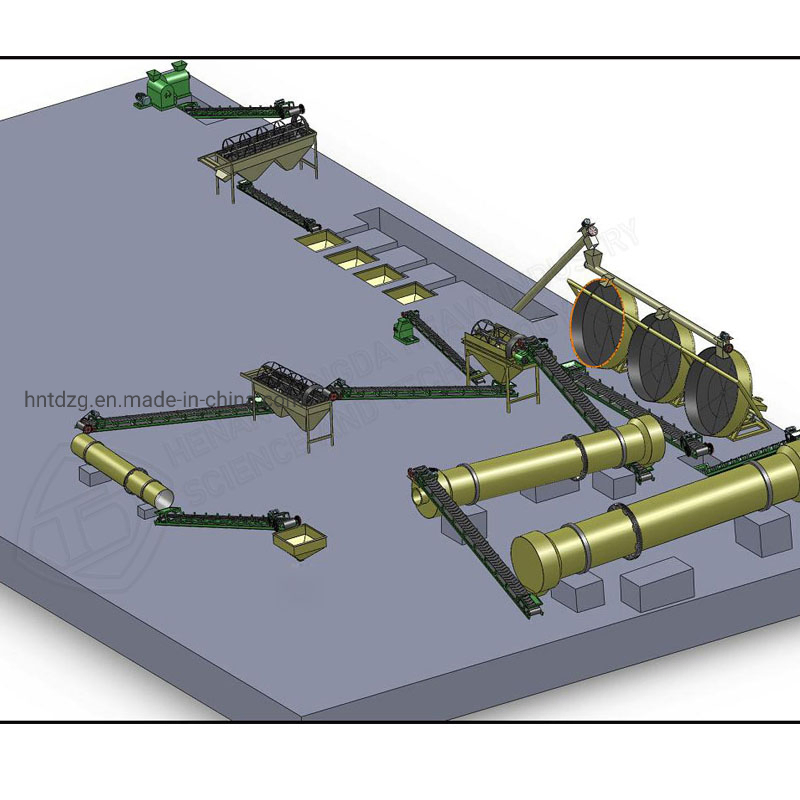
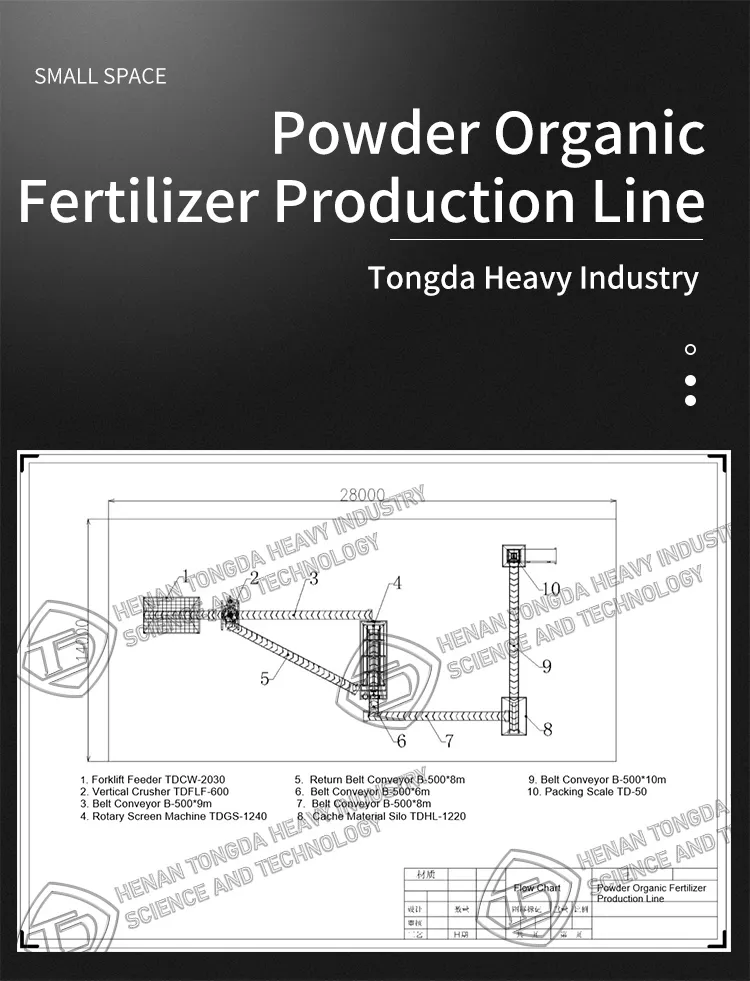
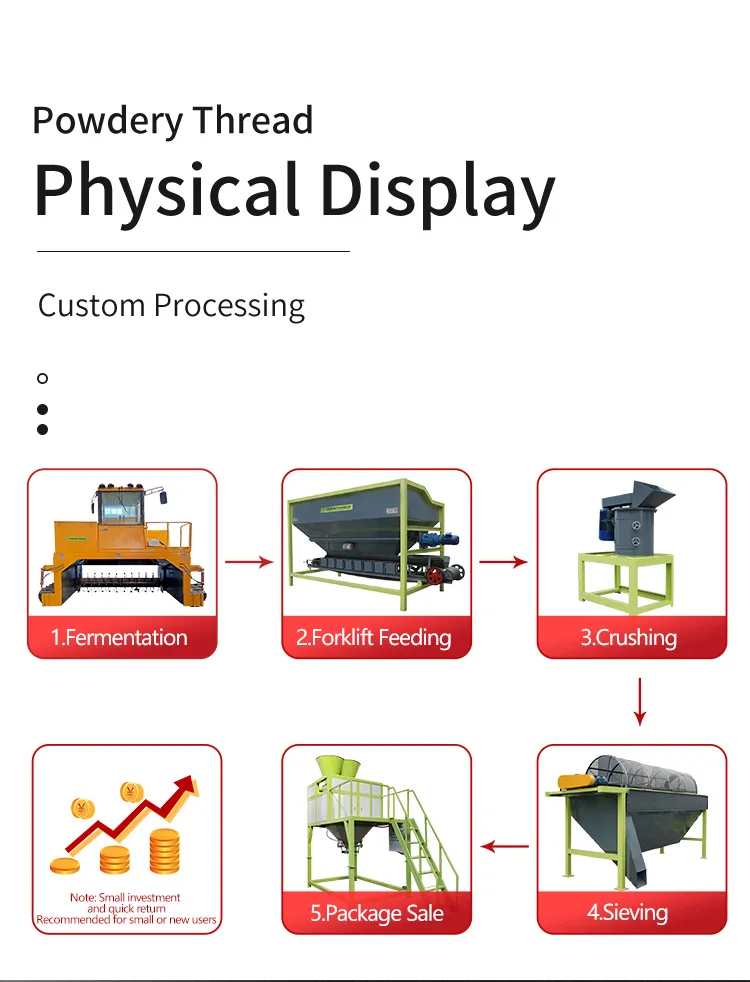
The powdery organic fertilizer production line is designed for efficiency and simplicity. It features a comprehensive process including dehydration, drying, fermentation, crushing, mixing, and packaging. This system provides a slow and lasting fertilizer effect while maintaining high nutrient utilization rates by integrating fully with the soil complex.
Production Process Details
| Fermentation Process |
Includes moisture control (60%), composting turning at 60°C for oxygen exposure, and a 20-25 day stabilization period. |
| Forklift Feeder |
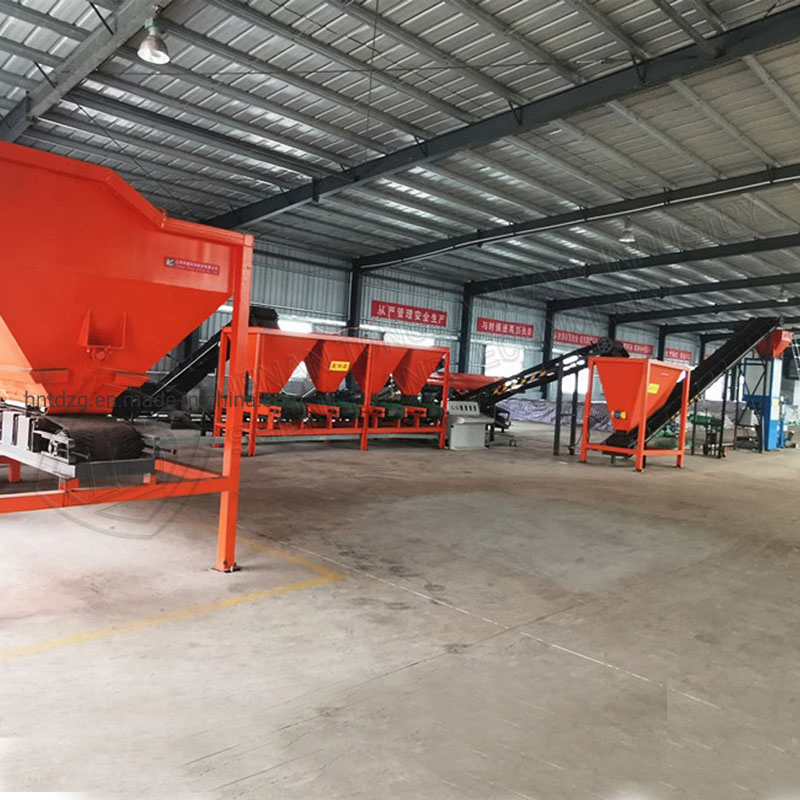
Stores fermented materials and delivers them quantitatively. Includes anti-blocking devices and frequency converters for speed adjustment. |
| Crushing Process |
Vertical crusher reduces material to 40+ mesh powder (moisture content under 40%). |
| Screening Process |
Rotary screening machine (3-5mm mesh) separates finished powder from large lumps. |
| Packaging Process |
Quantitative packaging scales (20-50 kg) with automatic sewing and cutting options. |
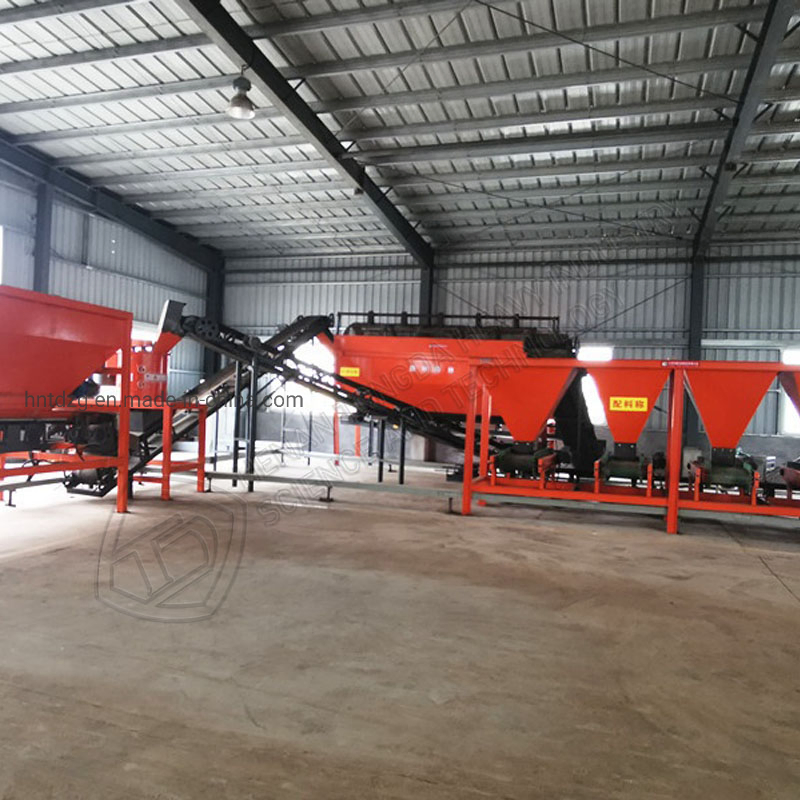
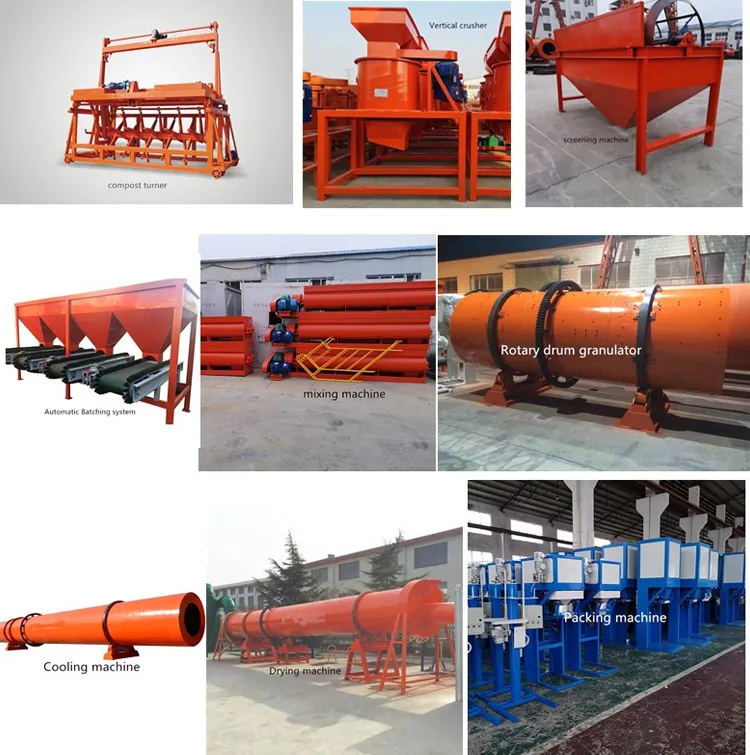
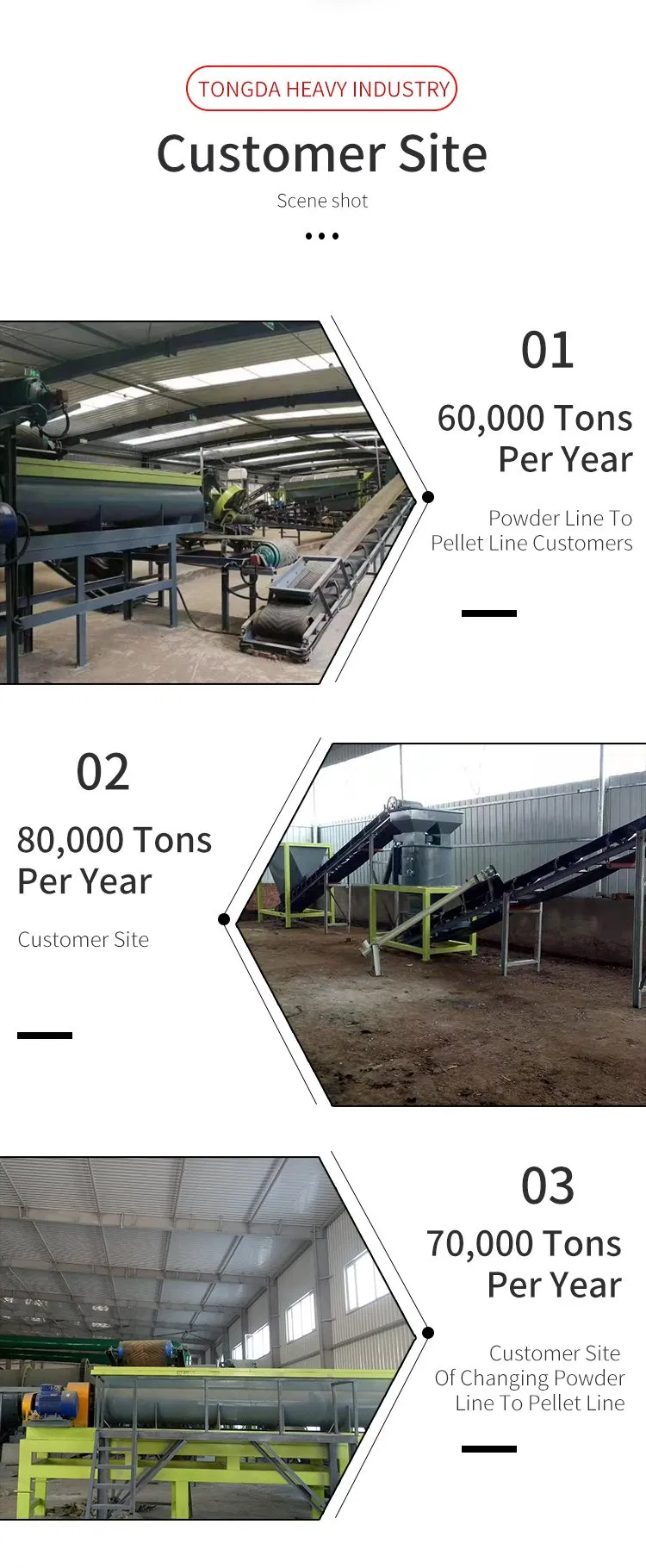
Equipment Showcase

Frequently Asked Questions
Q1: What materials can be used for organic fertilizer production?
A: You can use agricultural waste (straw, soybean meal), animal manure (chicken, cattle), industrial waste (distiller's grains), and urban sludge.
Q2: How long does the fermentation process take?
A: Typically, the fermentation process takes 20-25 days, depending on the material condition and local ambient temperature.
Q3: Is this production line suitable for beginners?
A: Yes, the powdery organic fertilizer production line is ideal for new starters due to its small investment and simple operation.
Q4: Can I upgrade the line to produce granules later?
A: Absolutely. The equipment used in the powder line can be fully integrated into a granular fertilizer production line without waste.
Q5: What is the benefit of using powdered organic fertilizer?
A: It provides high organic matter, improves soil texture, has a long-lasting fertilizer effect, and offers a high utilization rate.
Q6: What is the standard packaging size for the final product?
A: The packaging machinery is designed for quantitative packing of 20-50 kg per bag.
 Sativa Plant