Vegetative Propagation & Tissue Culture Manufacturers & Suppliers for the Ziguinchor market

Accelerating West African Agricultural Modernization with Certified Plant Growth Regulators and Industrial LED Phytolamps

Engineered Propagation Equipment & Phyto Systems

Deploying advanced horticultural spectra and precision growth formulations is the first step toward commercial scale-up in tissue culture. Discover our core solutions optimized for nurseries in Senegal's Casamance region.
Ziguinchor Agro-Industrial Context: The Need for Micropropagation

Located in the lush, river-fed Casamance region of Senegal, the Ziguinchor market stands as a primary agricultural hub. The sub-region possesses massive potential in horticultural production, cashew nuts (Anacardium occidentale), mangoes (Mangifera indica), citrus, and cassava. However, traditional farming models in Casamance face growing ecological and structural bottlenecks:
>65%
Orchards Over 30 Years Old
40%
Mango Anthracnose Loss
5x
Yield Gain via Clonal Selections
98%
Purity in Tissue Culture Stock
Historically, propagation methods in Ziguinchor depended on standard seed planting, leading to wild genetic variation, slow maturity rates, and high vulnerability to soil-borne pathogens. Mango trees, for example, require years to yield commercial quantities, and old cashew stands are highly vulnerable to dieback disease. By establishing modern vegetative propagation nurseries and localized tissue culture (micropropagation) facilities, regional agro-industrialists can bypass these barriers. Utilizing high-efficiency rooting hormones (such as NAA and IAA) and artificial plant grow lights allows the mass production of millions of uniform, disease-free, high-yielding clones. This supports local food security initiatives and optimizes products for international markets, aligning with Senegal's Plan Sénégal Émergent (PSE) to modernize the agri-food value chain.

Biochemical Solutions: How Auxins Accelerate Root Development

Vegetative propagation relies heavily on the manipulation of phytohormones. Among these, auxins play a crucial role in adventitious root formation. At the cellular level, auxins act as transcription triggers that reprogram somatic cells in stem cuttings, converting them into root primordia. The two primary auxins utilized in industrial agriculture are 1-Naphthaleneacetic Acid (NAA) and Indole-3-Acetic Acid (IAA).

NAA (1-Naphthaleneacetic Acid) vs. IAA (Indole-3-Acetic Acid)

While IAA is a naturally occurring auxin in plants, it is sensitive to enzymatic degradation by IAA-oxidase and photolysis under strong light. Consequently, synthetic auxins like NAA are the preferred choice for commercial vegetative propagation of woody trees (e.g., cashews and mangoes) in Senegal. NAA resists rapid degradation, remaining active at the cutting site to promote vascular differentiation and steady root initiation.
For Ziguinchor's commercial nurseries, we offer two main formulations:
  • Alpha Naphthaleneacetic Acid 1% SL (Soluble Liquid): A water-soluble formulation designed for easy dilution. It is ideal for nursery workers performing quick-dip root induction on soft-wood and semi-hardwood cuttings.
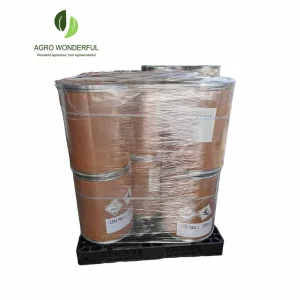
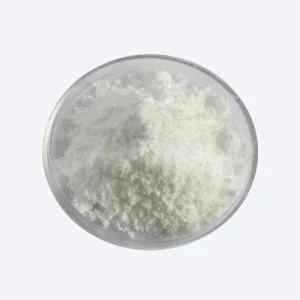
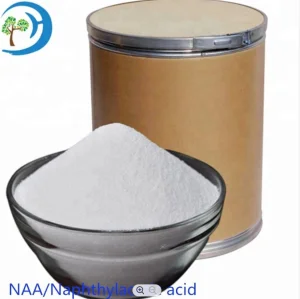
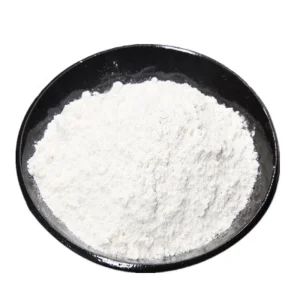
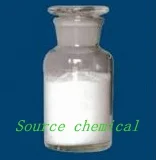
  • 98% TC Active Ingredient Powder (Hormone Plant Root Powder): Highly concentrated raw material used by local agricultural formulators and tissue culture laboratories to develop custom-concentration solutions for micropropagation agar media.

Phytolamp Technology: Optimizing Indoor Micropropagation

In tissue culture laboratories, clean, sterile plantlets are grown in agar media inside glass jars. Because these plantlets do not receive natural sunlight, their survival and growth rate depend on artificial lighting. Historically, laboratories used fluorescent T8 tubes, which consume significant power and emit heat that degrades agar media in warm tropical climates like Ziguinchor.
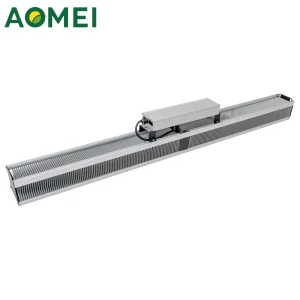
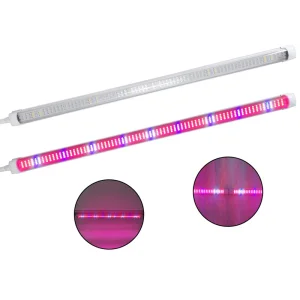
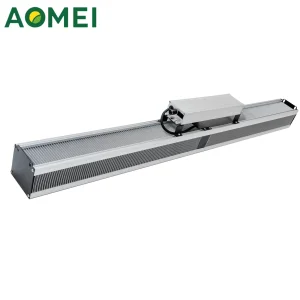
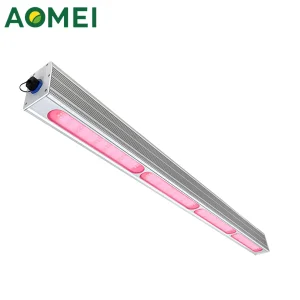
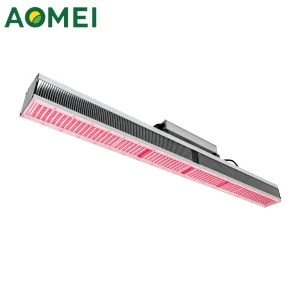
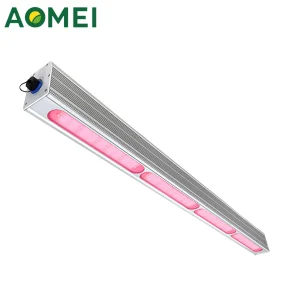
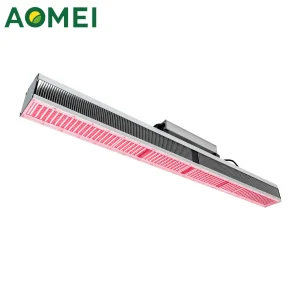
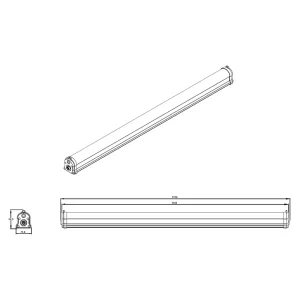
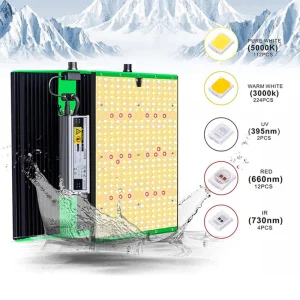
The introduction of industrial LED grow lights has addressed these issues. Modern LED bars, such as the T8 Waterproof Tube and Quantum Board LED Grow Lights, provide several key operational advantages:
  • Spectral Precision: Emitting specialized wavelengths (heavy in 450nm blue for vegetative structure and 660nm deep red for chlorophyll activation) to prevent elongation and support robust stems.
  • Thermal Management: Aluminum heatsinks and high efficiency keep ambient operating temperatures low, reducing HVAC energy demands in West African tissue culture facilities.
  • Waterproof Durability: IP65 ratings protect fixtures from the high relative humidity (above 85%) maintained in rooting chambers and tissue culture growth rooms.
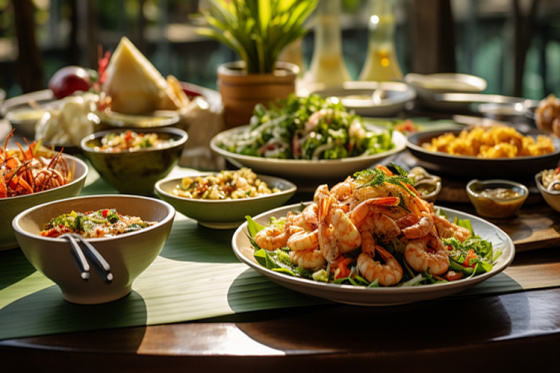
Applications in food - Tissue Culture laboratory application

Chinese Factory Supply Chain Advantages & Global E-E-A-T Standards

For commercial agricultural projects and regional chemical distributors in Ziguinchor, sourcing active ingredients and LED fixtures directly from China provides significant cost and quality advantages. As a primary manufacturer, Hangzhou Sativa Plant Co., Ltd. offers a reliable supply chain that bridges advanced biochemical production with local farming operations.
Our operations meet international regulatory and safety standards, as demonstrated by our certifications:
ISO
9001, 14001, 22000, 45001, 56005
HACCP
Food Safety Registered
REACH
EU Chemical Compliance
AEO
Advanced Customs Clearance
By maintaining these certifications, we guarantee that every batch of plant growth regulators, like NAA and IAA, undergoes strict quality control. This ensures purity, consistency, and compliance with import regulations at West African ports, including Dakar and Ziguinchor. Additionally, our Advanced AEO Customs Certification helps streamline the export process, minimizing transit delays and ensuring that agricultural materials arrive in time for the planting season.

Macro Industry Solutions & Bulk Procurement Strategies

Agricultural modernization requires reliable, large-scale supply chains. Local governments, NGOs, and corporate agricultural groups in Ziguinchor can leverage our bulk procurement solutions to ensure project success:

Custom Formulations (OEM/ODM)

We adjust auxin concentrations (NAA/IAA blends) and LED spectra to meet the specific requirements of regional crops like cashews, mangoes, and forest trees.

Quality & Documentation

Every shipment includes COA, MSDA, and SGS inspection reports, ensuring regulatory compliance and smooth customs clearance at Dakar and Ziguinchor.

Optimized Logistics

Our Advanced AEO Customs status enables efficient sea freight to West Africa, backed by protective packaging suited for high-temperature transport.

Technical Support

We provide dilution guidelines, application protocols, and lighting layout plans to help maximize plantlet survival rates.

About Us

Since its establishment, Hangzhou Sativa Plant Co., Ltd. has adhered to the development philosophy of “From Plants, Research for Health.” Rooted in the field of natural plant extraction, the company focuses on the intensive processing and deep development of plant-based raw materials. With gallnut, Siraitia grosvenorii (monk fruit), turmeric, bitter orange, and Sophora japonica as its core resources, the company has established a stable supply chain and advanced production technology to transform natural plant materials into high-value functional ingredients.
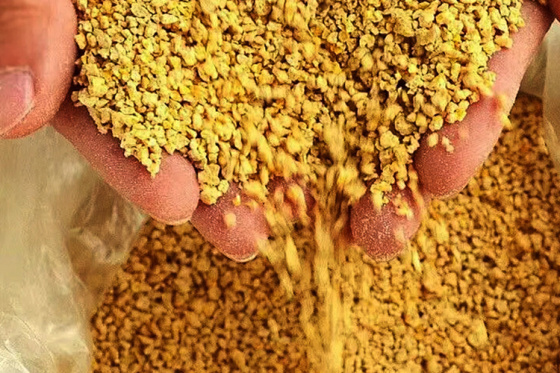
Applications in food
The company’s main products include tannin, gallic acid, propyl gallate, mogroside (siraitin), curcumin, hesperidin, rutin, and other plant-derived compounds. These products are widely used in many industries such as pharmaceuticals, food and beverages, animal feed, textile processing, printing and dyeing, metallurgy, new materials, aerospace, and microelectronics. With reliable quality and competitive supply capability, the products are exported in large quantities to the United States, the European Union, Japan, Southeast Asia, and other international markets.
Guided by innovation and quality, Hangzhou Sativa Plant Co., Ltd. continuously strengthens its research and development capabilities, production technology, and quality management systems. The company integrates modern extraction technology, purification processes, and strict quality control standards to ensure that every product meets international requirements and customer expectations.
Application in feed
With advanced technical strength, stable production capacity, and consistent product quality, the company provides reliable functional ingredient solutions for industries such as food, pharmaceuticals, animal nutrition, and electronic materials. Through long-term cooperation with global partners, the company is committed to delivering efficient, safe, and sustainable plant-based solutions to customers worldwide.
To ensure high standards in management and product safety, the company has obtained a series of international certifications, including ISO9001, ISO14001, ISO22000, ISO45001, and ISO56005. In addition, the company is registered with HACCP, FAMI-QS, HALAL, KOSHER, and REACH, demonstrating its commitment to global regulatory compliance and food safety standards. It is also an enterprise that has obtained Advanced AEO Certification from Customs, reflecting its credibility and excellence in international trade operations.
Looking toward the future, Hangzhou Sativa Plant Co., Ltd. will continue to uphold its philosophy of innovation, sustainability, and health-oriented development, further expanding its plant extraction technologies and product applications. By combining natural resources with modern science, the company aims to create greater value for customers and contribute to the global development of natural, healthy, and sustainable industries.

Frequently Asked Questions (FAQ) for the Ziguinchor Market

Find answers to technical and logistical questions about vegetative propagation, rooting hormones, and lighting systems.

1. Which rooting hormone is best for vegetative propagation in Ziguinchor?

For woody plants like cashew and mango, NAA (1-Naphthaleneacetic Acid) is generally preferred over IAA. NAA degrades more slowly under hot and bright tropical conditions, providing sustained stimulation at the cutting base to promote rooting. Our Alpha Naphthylacetic Acid 1% SL is recommended for quick-dip applications, while the 98% TC powder is suitable for custom media preparation in laboratories.

2. Why use LED grow lights in tropical regions like Casamance?

High ambient temperatures in West Africa make heat management a key challenge for indoor farming and labs. Fluorescent tubes release heat that can dry out culture media or stress plantlets. Modern LED grow lights run cooler and deliver target light spectra directly to the plants, reducing cooling costs and improving survival rates.

3. What is the recommended method for diluting NAA 98% TC powder?

NAA acid is only slightly soluble in water. To prepare a solution, dissolve the powder in a small amount of ethyl alcohol or an alkaline solution (such as sodium hydroxide) first. Once dissolved, dilute with distilled water to your target concentration (e.g., 500 ppm to 2000 ppm for quick dipping).

4. Can your LED grow lights handle the high humidity of propagation rooms?

Yes. Models like our T8 Integrated LED Light Waterproof Tube are designed with IP65-rated enclosures, making them resistant to dust, water splashes, and high relative humidity (85-95%) typical in rooting rooms and mist houses.

5. How do Hangzhou Sativa Plant Co.'s certifications support shipping to Senegal?

Our ISO9001 and REACH registrations verify the quality and consistency of our chemical products. As a custom-certified Advanced AEO Enterprise, we benefit from priority clearance, simplified document reviews, and faster processing at customs, helping ensure on-time delivery to West Africa.

6. What is the typical shelf life of NAA rooting powder in tropical climates?

When stored in its original, tightly sealed container in a cool, dry place out of direct sunlight, our NAA 98% TC powder remains stable for up to 2 years. Proper storage is key to maintaining hormone activity in humid regions like Casamance.