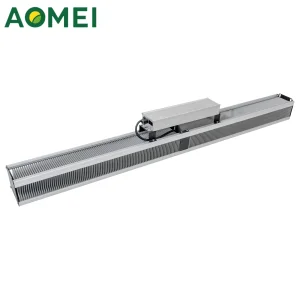
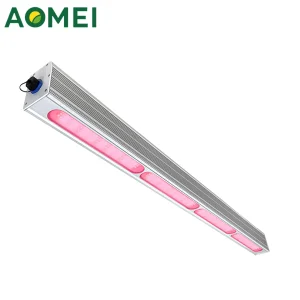
High-efficiency LED systems and specialized spectral solutions designed for high-density micropropagation facilities in Skopje.
A rigorous examination of micropropagation ecosystems, biosecurity protocols, and regulatory compliance standards empowering North Macedonia's agricultural transformation.
Skopje, as the economic and administrative heartbeat of North Macedonia, is experiencing an accelerated transition toward high-tech controlled environment agriculture (CEA) and advanced plant biotechnology. Regional agro-industrial parks and private biotechnology facilities are increasingly turning to sterile vegetative propagation and in vitro tissue culture to bypass traditional climate vulnerability and soil-borne pathogens. Local enterprises demand precision-engineered solutions—ranging from specialized spectral LED arrays to pharmaceutical-grade plant growth regulators (PGRs) like NAA and IAA—to optimize multiplication rates for native crops, medicinal herbs, and high-value ornamentals.
By leveraging strategic trade corridors connecting the Western Balkans to the broader European Union, manufacturers and laboratories in Skopje are positioning themselves as regional hubs for clean plant material generation. This localized scaling directly aligns with EU harmonization directives regarding phytosanitary security, traceability, and sustainable resource management.
On a global scale, vegetative propagation and plant tissue culture have shifted from academic research methodologies to fully automated, industrial-scale bio-factories. Bioreactor-based micropropagation, temporary immersion systems (TIS), and machine-vision sorting are standardizing elite cultivar production worldwide. Integration with advanced biophotonics ensures that photo-synthetic photon flux density (PPFD) and spectral ratios are custom-tailored for explant elongation, callus initiation, and root induction phases.
The technological roadmap for the upcoming decade emphasizes AI-driven climate automation, real-time metabolic tracking of secondary metabolites, and closed-loop nutrient recycling. Manufacturers bridging chemical synthesis (auxins, cytokinins) with high-efficiency solid-state lighting are capturing sustainable competitive advantages across international supply chains.
Driven by research, rooted in nature, and certified to the highest international compliance benchmarks.
Since its establishment, Hangzhou Sativa Plant Co., Ltd. has adhered to the development philosophy of “From Plants, Research for Health.” Rooted in the field of natural plant extraction, the company focuses on the intensive processing and deep development of plant-based raw materials. With gallnut, Siraitia grosvenorii (monk fruit), turmeric, bitter orange, and Sophora japonica as its core resources, the company has established a stable supply chain and advanced production technology to transform natural plant materials into high-value functional ingredients.

The company’s main products include tannin, gallic acid, propyl gallate, mogroside (siraitin), curcumin, hesperidin, rutin, and other plant-derived compounds. These products are widely used in many industries such as pharmaceuticals, food and beverages, animal feed, textile processing, printing and dyeing, metallurgy, new materials, aerospace, and microelectronics. With reliable quality and competitive supply capability, the products are exported in large quantities to the United States, the European Union, Japan, Southeast Asia, and other international markets.
Guided by innovation and quality, Hangzhou Sativa Plant Co., Ltd. continuously strengthens its research and development capabilities, production technology, and quality management systems. The company integrates modern extraction technology, purification processes, and strict quality control standards to ensure that every product meets international requirements and customer expectations.
With advanced technical strength, stable production capacity, and consistent product quality, the company provides reliable functional ingredient solutions for industries such as food, pharmaceuticals, animal nutrition, and electronic materials. Through long-term cooperation with global partners, the company is committed to delivering efficient, safe, and sustainable plant-based solutions to customers worldwide.
To ensure high standards in management and product safety, the company has obtained a series of international certifications, including ISO9001, ISO14001, ISO22000, ISO45001, and ISO56005. In addition, the company is registered with HACCP, FAMI-QS, HALAL, KOSHER, and REACH, demonstrating its commitment to global regulatory compliance and food safety standards. It is also an enterprise that has obtained Advanced AEO Certification from Customs, reflecting its credibility and excellence in international trade operations.
Looking toward the future, Hangzhou Sativa Plant Co., Ltd. will continue to uphold its philosophy of innovation, sustainability, and health-oriented development, further expanding its plant extraction technologies and product applications. By combining natural resources with modern science, the company aims to create greater value for customers and contribute to the global development of natural, healthy, and sustainable industries.
Authoritative answers addressing common technical queries from commercial growers, researchers, and facility operators.
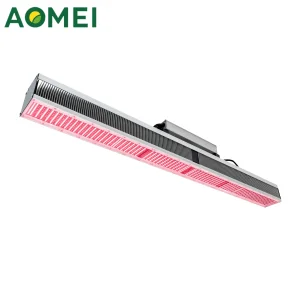
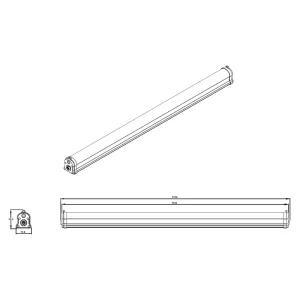
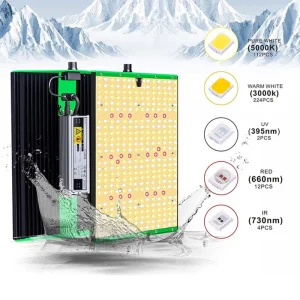
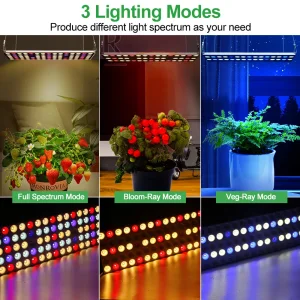
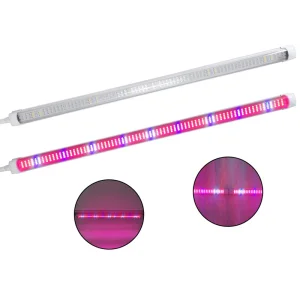
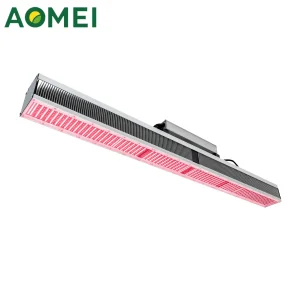
Modern LED systems offer precise wavelength control (such as targeted 660nm red and custom blue spectra) with minimal radiant heat emission. This allows high-density vertical stacking in sterile growth rooms without cooking delicate explants, significantly improving multiplication efficiency and root vitality.
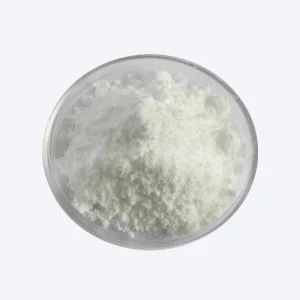
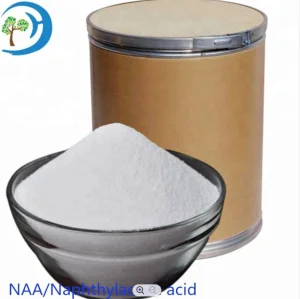
Auxins such as 1-Naphthaleneacetic Acid (NAA) and Indole-3-Acetic Acid (IAA) are essential exogenous triggers for cell division, callus induction, and adventitious root formation during the critical transfer stages of in vitro micropropagation.
By implementing strict in vitro tissue culture protocols, facilities in Skopje can eradicate systemic viruses, bacteria, and fungi from elite planting stock, ensuring certified disease-free material for regional commercial farming and export markets.
Our operational framework complies with ISO9001, ISO14001, REACH, and HACCP standards, guaranteeing full regulatory alignment for clients operating across the European Union, North America, and the Balkans.
Explore our full suite of certified plant growth regulators, rooting hormones, and commercial greenhouse illumination tools.
 Sativa Plant