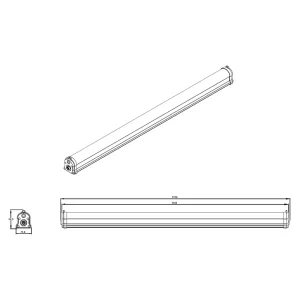
Optimized for vertical farming and high-density vegetative propagation in North Korean climatic conditions.
Inquiry Now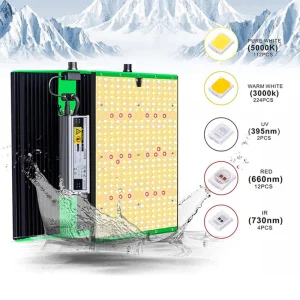
Precision lighting for initial tissue culture acclimation and hardening phases.
Inquiry Now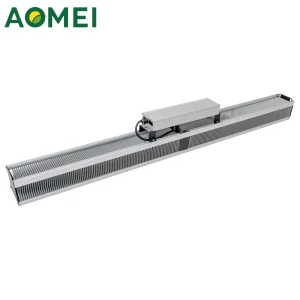
Versatile hydroponic lighting strips designed for mass-scale vegetable and fruit production.
Inquiry Now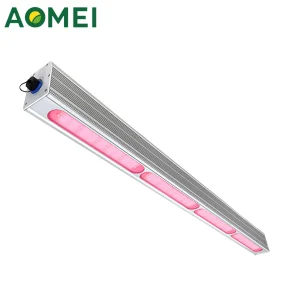
Heavy-duty COB lighting for greenhouse fruit cultivation and large-scale plant growth.
Inquiry NowIn the evolving landscape of global agriculture, Vegetative Propagation and Tissue Culture (Micropropagation) have emerged as pivotal technologies for ensuring food security, biodiversity conservation, and industrial scaling. For the North Korea region, where agricultural self-sufficiency and high-yield medicinal plant cultivation (such as Koryo Ginseng) are top priorities, the implementation of advanced laboratory-grade propagation techniques represents a critical industrial leap. Hangzhou Sativa Plant Co., Ltd. serves as a premier technical partner, providing not only the chemical growth regulators but also the hardware infrastructure required to scale these operations.
The global tissue culture market is projected to reach $15 billion by 2030. Industry leaders are shifting toward automated bioreactors and AI-driven environmental controls to reduce contamination risks and labor costs.
Emphasis is placed on virus-free potato seed production, reforestation of hilly terrains, and the standardized cultivation of medicinal herbs. Our solutions are tailored for these specific high-impact sectors.
Integration of specific LED wavelengths (660nm Red / 450nm Blue) with Plant Growth Regulators (PGRs) like NAA and IAA ensures accelerated rooting and shoot proliferation cycles.
The Democratic People's Republic of Korea (DPRK) has demonstrated significant interest in Cellular Engineering and Plant Biotechnology as a means to overcome environmental limitations. Key areas of application include:
Our technical roadmap for the North Korean market focuses on three pillars: Hormonal Precision, Spectral Optimization, and Sterile Efficiency.
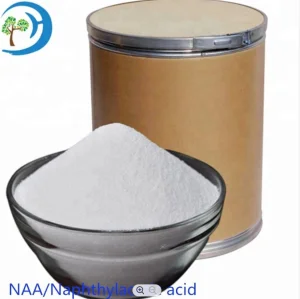
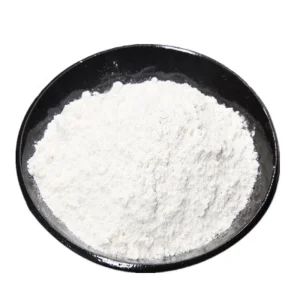
1. Phase I: Initiation (The Chemical Trigger): Using our high-purity 1-Naphthaleneacetic acid (NAA) and Indole-3-acetic acid (IAA) to break dormancy and induce callus formation. Our 98% TC grades are specifically calibrated for sensitive medicinal species.
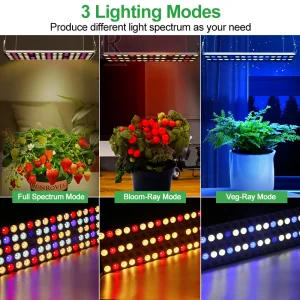
2. Phase II: Proliferation (The Light Catalyst): Deploying our Samsung Quantum Board and COB LED systems. Research shows that specific photon flux densities (PPFD) can reduce the sub-culturing cycle by 15-20%.
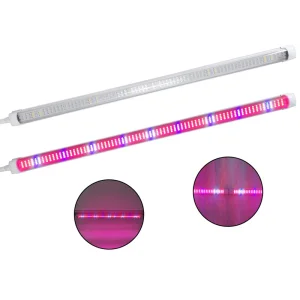
3. Phase III: Acclimatization (The Hardening Bridge): Transitioning lab-grown plantlets to greenhouse conditions using our waterproof T8 LED tubes, ensuring a survival rate exceeding 95%.
Since its establishment, Hangzhou Sativa Plant Co., Ltd. has adhered to the development philosophy of “From Plants, Research for Health.” Rooted in the field of natural plant extraction, the company focuses on the intensive processing and deep development of plant-based raw materials. With gallnut, Siraitia grosvenorii (monk fruit), turmeric, bitter orange, and Sophora japonica as its core resources, the company has established a stable supply chain and advanced production technology to transform natural plant materials into high-value functional ingredients.
The company’s main products include tannin, gallic acid, propyl gallate, mogroside (siraitin), curcumin, hesperidin, rutin, and other plant-derived compounds. These products are widely used in many industries such as pharmaceuticals, food and beverages, animal feed, textile processing, printing and dyeing, metallurgy, new materials, aerospace, and microelectronics.
Guided by innovation and quality, Hangzhou Sativa Plant Co., Ltd. continuously strengthens its research and development capabilities, production technology, and quality management systems. We integrate modern extraction technology, purification processes, and strict quality control standards to ensure that every product meets international requirements.
With advanced technical strength, stable production capacity, and consistent product quality, the company provides reliable functional ingredient solutions. We hold certifications including ISO9001, ISO14001, ISO22000, ISO45001, ISO56005, HACCP, FAMI-QS, HALAL, KOSHER, and REACH. We are also an Advanced AEO Certified enterprise.
Establishing a successful tissue culture facility in the North Korea region requires more than just reagents. We offer Integrated Growth Modules (IGM) that combine our chemical expertise with advanced hardware:
How does NAA improve reforestation success in hilly terrains?
NAA (1-Naphthaleneacetic acid) stimulates rapid adventitious root formation. For reforestation projects in areas like the Hamgyong Mountains, treating saplings with NAA ensures deeper root penetration, increasing drought resistance and soil anchoring.
Why is Full Spectrum LED superior to traditional HPS lamps for tissue culture?
Unlike HPS, our LED systems (such as the Samsung Quantum Board) provide a tailored spectral output that mimics natural sunlight without the excessive heat. This prevents "Agar melting" in culture vessels and promotes compact, healthy plantlet growth.
Can these solutions be integrated into existing farm cooperatives in North Korea?
Yes. Our modular T8 tubes and strip lights are designed for easy retrofit into existing greenhouse structures. Our bulk PGR powders are packaged for long-term stability and easy transport to remote agricultural zones.
What certifications ensure the reliability of your chemical products?
All our plant growth regulators are produced under ISO9001 and ISO14001 standards, with 98% TC (Technical Grade) purity verified by HPLC analysis, ensuring consistent results in the laboratory.
Providing the infrastructure and expertise for the next generation of North Korean agriculture.
 Sativa Plant