The global urban gardening landscape is undergoing a paradigm shift. As population density in metropolitan areas increases, the demand for localized, sustainable food production has transitioned from a niche hobby to a macro-industry necessity. Modern urban gardening is no longer just about aesthetics; it is about climate resilience, air quality improvement, and the democratization of food security.
China’s manufacturing sector has emerged as the global powerhouse for this industry. By integrating advanced horticultural technology with mass-market manufacturing, Chinese suppliers now lead the world in providing cost-effective, high-performance solutions for rooftop farms, vertical agriculture, and balcony gardening.
Procurement managers for landscape architecture firms and agricultural tech companies are prioritizing three core pillars: Scalability, Durability, and Modular Design.
Since its establishment, Hangzhou Sativa Plant Co., Ltd. has adhered to the development philosophy of “From Plants, Research for Health.” While deeply rooted in natural plant extraction, our expertise extends to the supply chain support for urban gardening. By providing high-value functional ingredients—such as specialized plant extracts for sustainable pest control and soil enrichment—we support the horticultural industry with scientific precision.
Our core product lines, including tannin, gallic acid, and specialized natural plant-based compounds, are essential for modern bio-organic gardening. These products ensure that rooftop farms operate within eco-safe parameters. We serve diverse industries including food, pharmaceuticals, and agricultural new materials.
Our commitment to global standards is evidenced by our ISO9001, ISO14001, ISO22000, ISO45001, and ISO56005 certifications. We are not just a supplier; we are your strategic partner in ensuring your urban gardening projects meet the highest international regulatory benchmarks, including REACH and HACCP standards.
The future of urban agriculture lies in the convergence of IoT and bio-science. We foresee the next decade focusing on:
1. Closed-Loop Nutrient Cycles: Transitioning from chemical fertilizers to biological, extract-based plant nutrition that promotes microbial soil health.
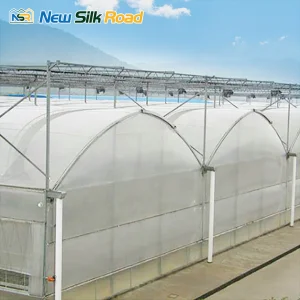
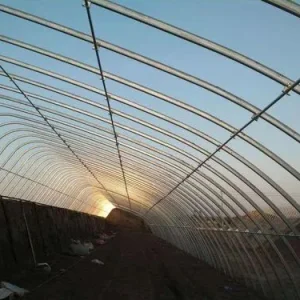
2. Adaptive Structural Engineering: Designing greenhouses and planters that adapt to climate change patterns, such as increased wind loads and solar radiation, using materials like high-grade Corten steel and specialized polycarbonate.
3. Automation & AI: Integrating automated light deprivation systems and hydroponic monitoring to ensure crop yields are optimized in varied urban micro-climates.
 Sativa Plant