
In the context of the global ecological transition and aggressive carbon-neutral targets, industrial bamboo species, specifically Phyllostachys edulis (Moso Bamboo) and high-yield tropical clumping bamboos, have emerged as paramount economic resources. With their rapid growth cycles, extensive root matrices, and exceptional structural capacities, bamboo plants serve as both natural carbon sinks and a highly renewable feedstock for diverse structural, chemical, and biological applications.
Hangzhou Sativa Plant Co., Ltd. integrates state-of-the-art biological extraction paradigms and modern precision agricultural infrastructure to build sustainable value chains. By aligning agricultural engineering (such as multi-span protective greenhouses and industrial material handling systems) with highly refined green chemical extraction, we bridge the gap between initial agricultural cultivation and advanced, high-performance industrial deliverables. Our approach optimizes ecological potential, maximizing biomass yield while reducing resource footprint.
Since its establishment, Hangzhou Sativa Plant Co., Ltd. has adhered to the development philosophy of “From Plants, Research for Health.” Rooted in the field of natural plant extraction, the company focuses on the intensive processing and deep development of plant-based raw materials. With gallnut, Siraitia grosvenorii (monk fruit), turmeric, bitter orange, and Sophora japonica as its core resources, the company has established a stable supply chain and advanced production technology to transform natural plant materials into high-value functional ingredients.
The company’s main products include tannin, gallic acid, propyl gallate, mogroside (siraitin), curcumin, hesperidin, rutin, and other plant-derived compounds. These products are widely used in many industries such as pharmaceuticals, food and beverages, animal feed, textile processing, printing and dyeing, metallurgy, new materials, aerospace, and microelectronics. With reliable quality and competitive supply capability, the products are exported in large quantities to the United States, the European Union, Japan, Southeast Asia, and other international markets.
Guided by innovation and quality, Hangzhou Sativa Plant Co., Ltd. continuously strengthens its research and development capabilities, production technology, and quality management systems. The company integrates modern extraction technology, purification processes, and strict quality control standards to ensure that every product meets international requirements and customer expectations.
With advanced technical strength, stable production capacity, and consistent product quality, the company provides reliable functional ingredient solutions for industries such as food, pharmaceuticals, animal nutrition, and electronic materials. Through long-term cooperation with global partners, the company is committed to delivering efficient, safe, and sustainable plant-based solutions to customers worldwide.
To ensure high standards in management and product safety, the company has obtained a series of international certifications, including ISO9001, ISO14001, ISO22000, ISO45001, and ISO56005. In addition, the company is registered with HACCP, FAMI-QS, HALAL, KOSHER, and REACH, demonstrating its commitment to global regulatory compliance and food safety standards. It is also an enterprise that has obtained Advanced AEO Certification from Customs, reflecting its credibility and excellence in international trade operations.
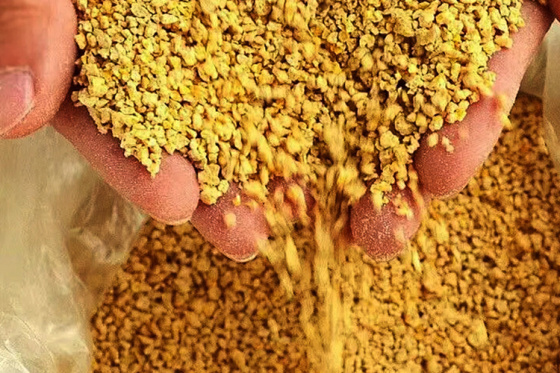
Procurement agents and international manufacturing groups face mounting pressure to find alternatives to synthetic polymers, hardwoods, and high-emission raw materials. The demands across key global markets center on predictability, certification, and functional versatility.
Engineered bamboo panels, cross-laminated bamboo (CLB), and structural bamboo columns require high-tensile stalks. Buyers look for standardized, pressure-treated, and kiln-dried raw poles to avoid fungal degradation and insect infestations.
Extracts rich in silica, flavonoids, and natural antioxidants are highly sought after by pharmaceutical, skincare, and health supplement brands. Our chemical extraction expertise guarantees the purification and isolation of these valuable components.
Modern hydroponic systems and urban container cultivation require bio-compatible structural materials. Coarse bamboo fibers and processed bamboo charcoal play a critical role in optimizing moisture levels and substrate oxygenation.
To satisfy these dynamic global needs, Hangzhou Sativa Plant Co., Ltd. provides unified logistics pathways, raw material processing facilities, and analytical laboratory testing. By leveraging wood chipping systems and custom agricultural environments, we ensure supply consistency across changing seasons.
An end-to-end integration is vital to realize the true efficiency of industrial bamboo. Our systemic solutions extend from clonal selection inside multi-span steel structure greenhouses to crushing, pulping, and micro-extraction systems.
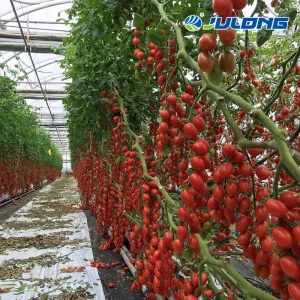
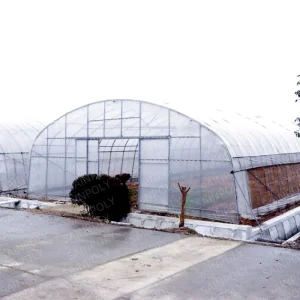
Utilizing turnkey multi-span film and polycarbonate greenhouses, we configure optimal microclimates. Temperature controls, high-efficiency hydroponic misting, and shade screens promote rapid root cell division in bamboo plantlets. This prevents soil-borne diseases and accelerates development prior to field plantation.
With diesel-electric wood-chipper shredders, raw bamboo culms are reduced to customized chips. These chips are subsequently diverted for structural composite fabrication, agricultural substrates, or feedstock for biochemical biorefineries.
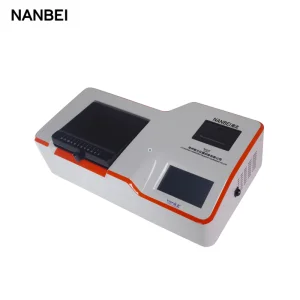
Applying molecular filtration, purification, and extraction steps, we isolate natural compounds. The resulting extracts are assayed using laboratory equipment, ensuring they are free of microbial contamination or heavy metals.
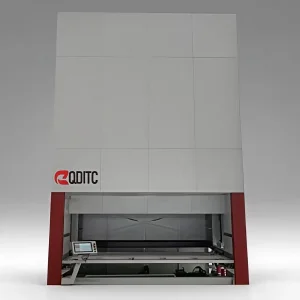
By implementing next-generation vertical lift modules and automated warehousing solutions, inventory storage and dispatch are systematically logged. This reduces processing times for international supply lanes.
As extraction technology evolves, the integration of green solvents, enzyme-assisted maceration, and supercritical carbon dioxide extraction becomes standard. Hangzhou Sativa Plant Co., Ltd. works to stay at the absolute forefront of this technological shift.
International agricultural import restrictions require meticulous transparency. Hangzhou Sativa Plant Co., Ltd. implements robust verification policies to maintain its reputation and support trade flow.
Operating under ISO 9001 (Quality), ISO 14001 (Environment), ISO 22000 (Food Safety), ISO 45001 (Occupational Health), and ISO 56005 (IP Management).
Full registration and alignment with FAMI-QS for agricultural feed ingredients, alongside Halal and Kosher certifications for food additives.
Registration under EU REACH standards ensures all exported compounds meet the chemical safety regulations of European markets.
Common inquiries from B2B procurement professionals, engineers, and supply leads.
Bamboo sequesters carbon at a significantly faster rate compared to most softwoods, capturing up to 35% more carbon per hectare annually. Its extensive root matrix remains intact post-harvest, preventing erosion and retaining underground carbon stocks.
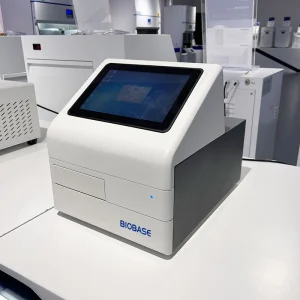
All processes at Hangzhou Sativa Plant Co., Ltd. are certified under ISO 22000, HACCP, and FAMI-QS. We utilize high-performance chromatography (HPLC) and automated ELISA microplate readers to guarantee strict composition ranges and verify the absence of residues.
Yes. Multi-span film or polycarbonate greenhouses with hydroponic irrigation systems are ideal for the germination, propagation, and initial growth phases of clumping bamboo, protecting the young plants from frost and dry winds.
Tannins and gallic acid serve as natural clarifying agents, structural cross-linkers for resins, raw material antioxidants, and biological precursors in the microelectronic manufacturing and aerospace coating sectors.



 Sativa Plant