Origin and Historical Background
Originating in New Guinea and the Malay Archipelago, the Breadfruit tree was spread throughout the Pacific by ancient voyagers and became a foundational food source across Oceania. Its history is famously intertwined with the 1789 Mutiny on the Bounty, highlighting the tree's global importance as a vital food crop.
Health and Environmental Benefits
The Breadfruit is a powerhouse of sustainability. The fruit is a rich source of complex carbohydrates, fiber, vitamins, and minerals. As a fast-growing tree, it excels in carbon sequestration, absorbing significant amounts of CO2 while providing cooling shade and creating habitats for wildlife.
☀️ Simple Care Guide
- Light: Requires Full Sun for healthy fruit production.
- Watering: Needs regular and abundant moisture. Deep weekly watering is recommended.
- Soil: Prefers deep, fertile, and well-drained soil.
- Climate: Ultra-tropical (USDA Zones 10-12). No tolerance for frost.
Key Advantages
- A Staple Food Source: High production of nutritious fruit.
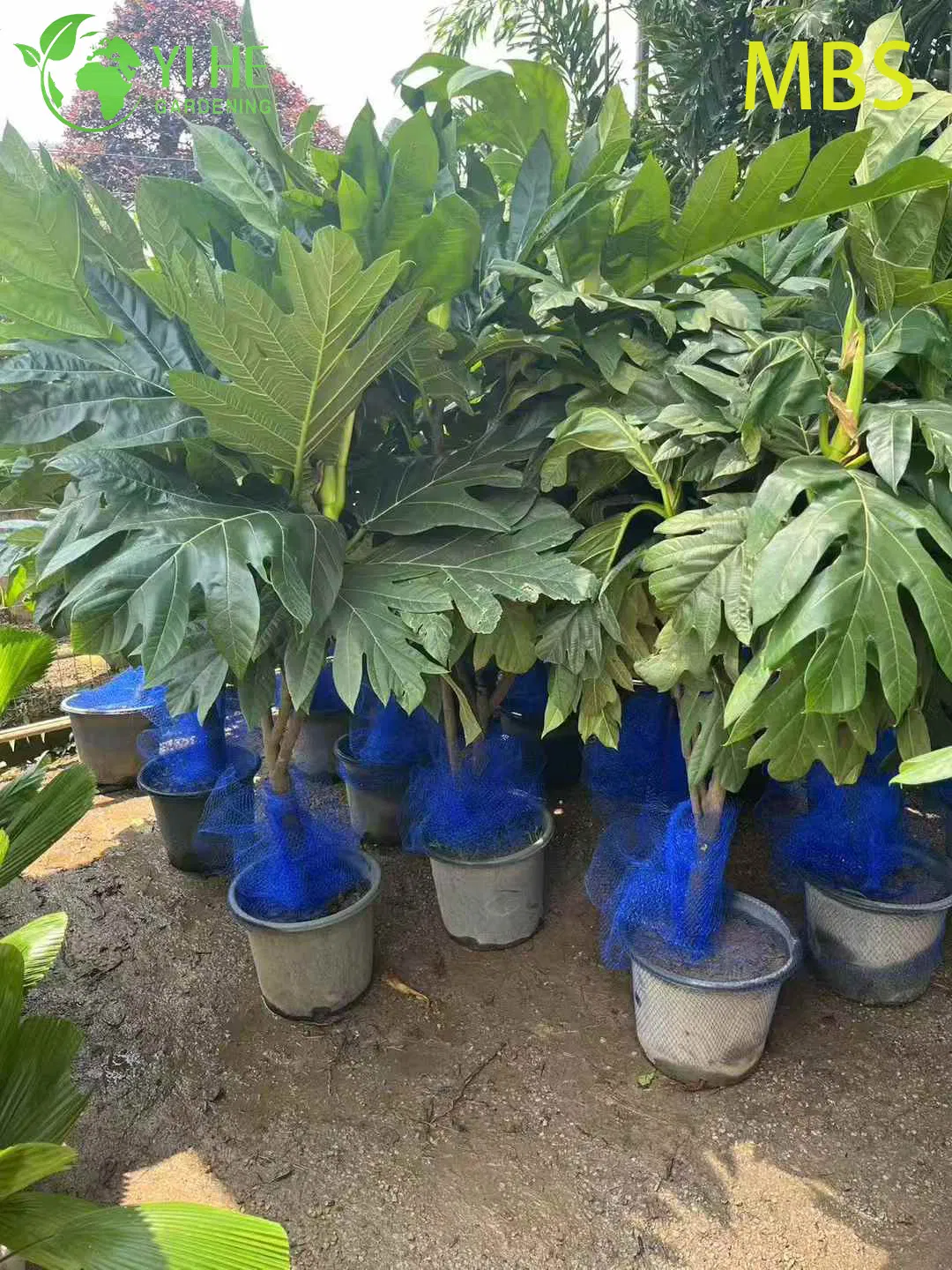
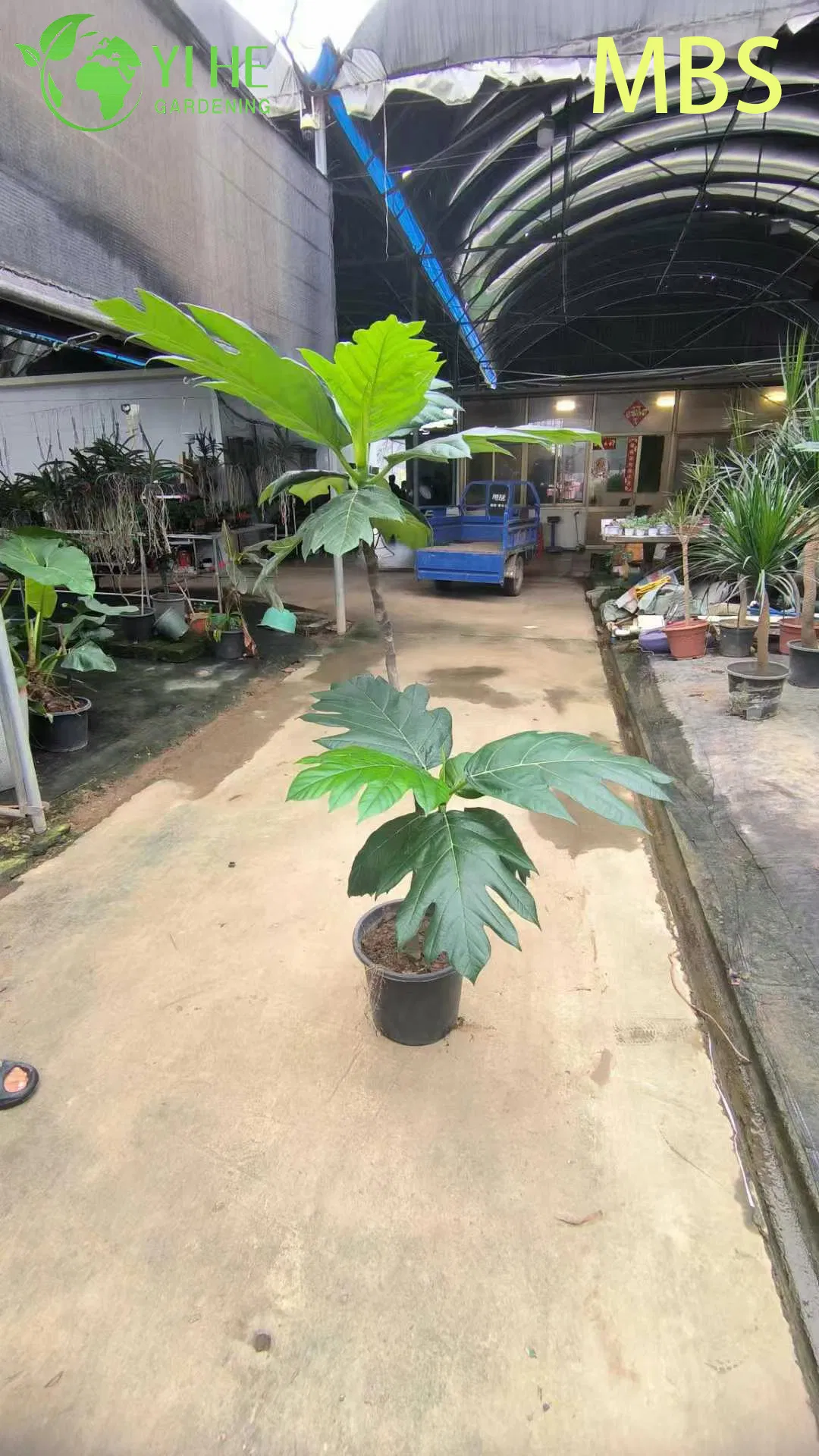
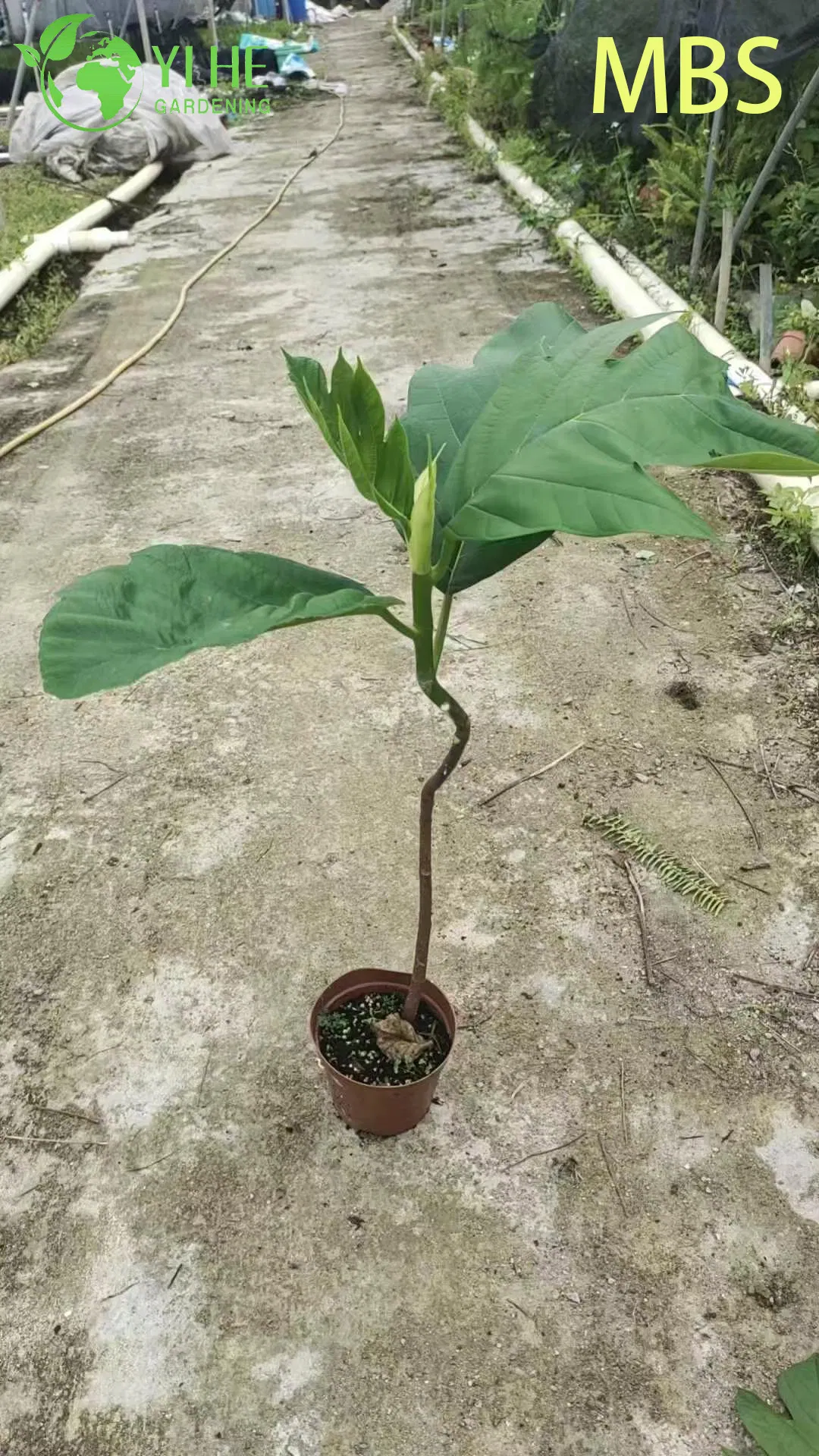
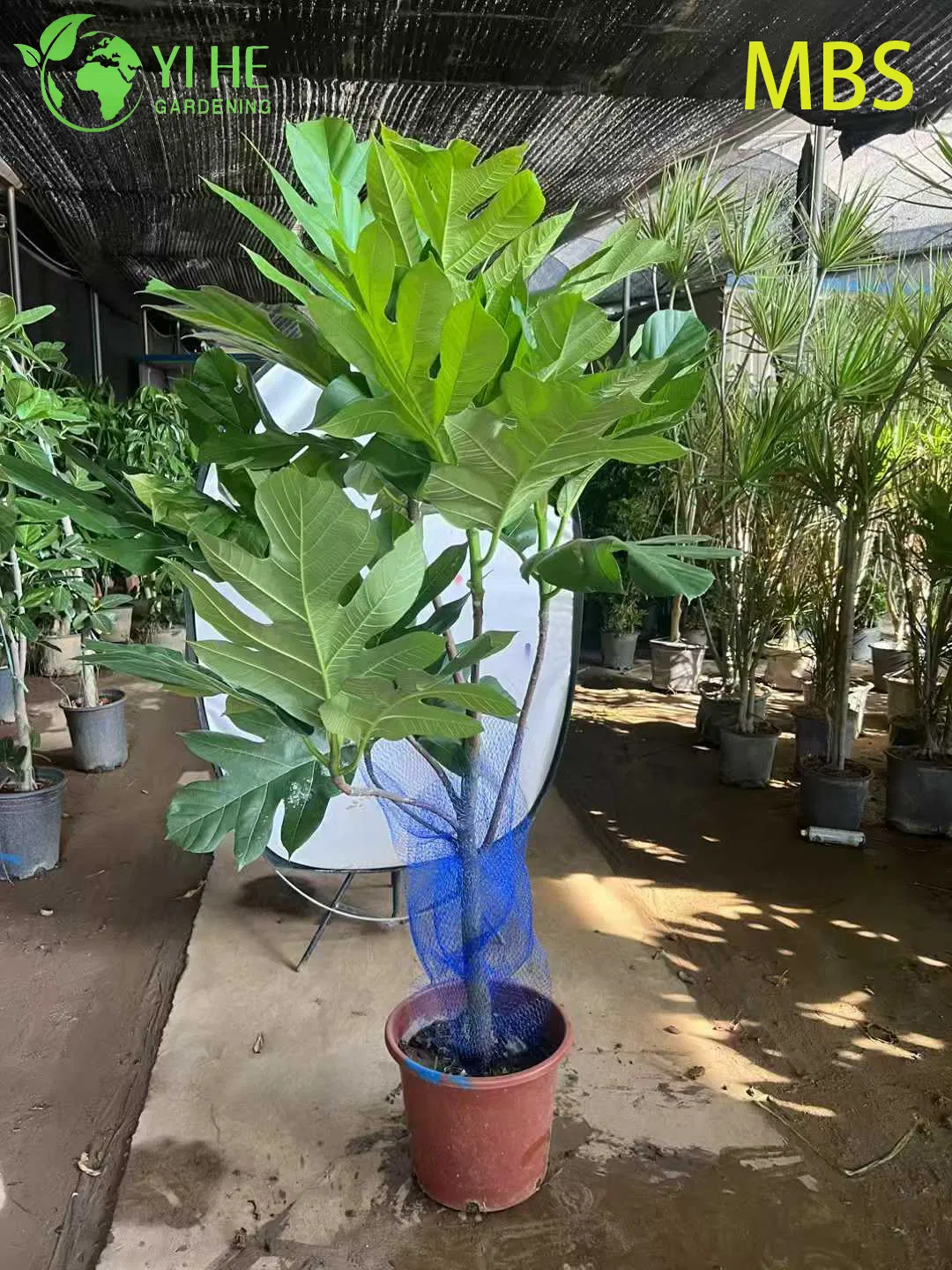
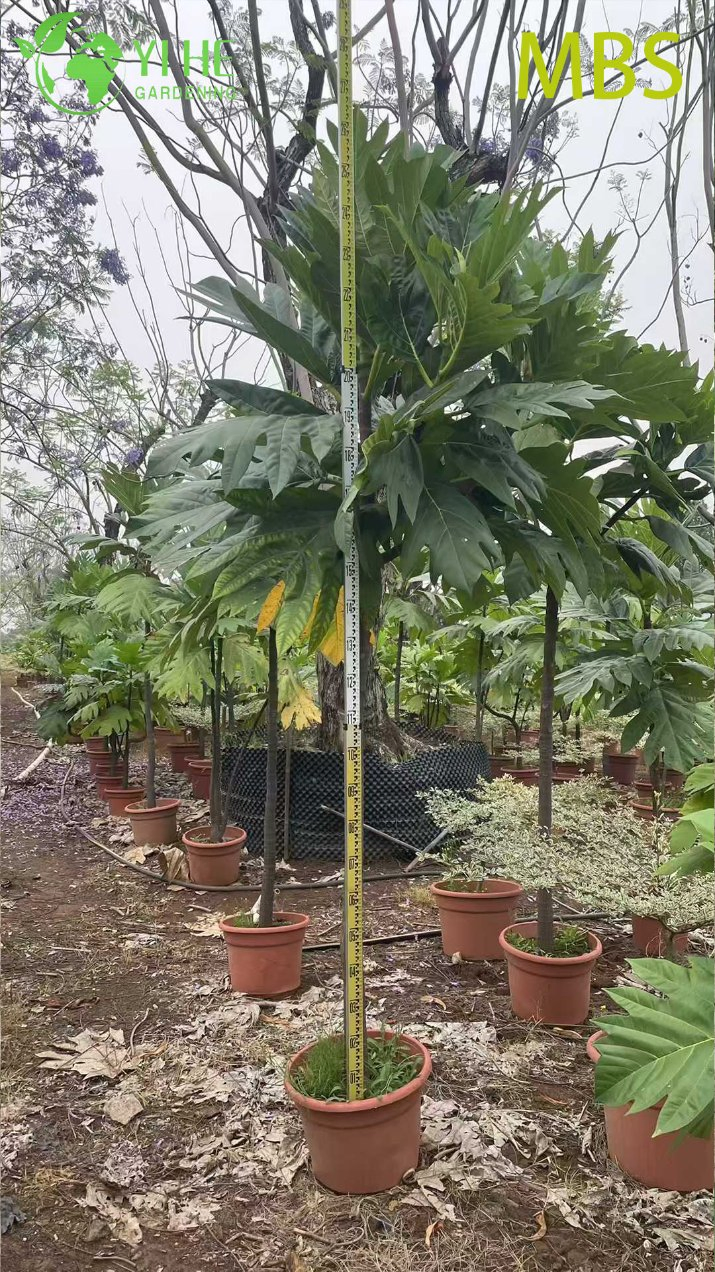
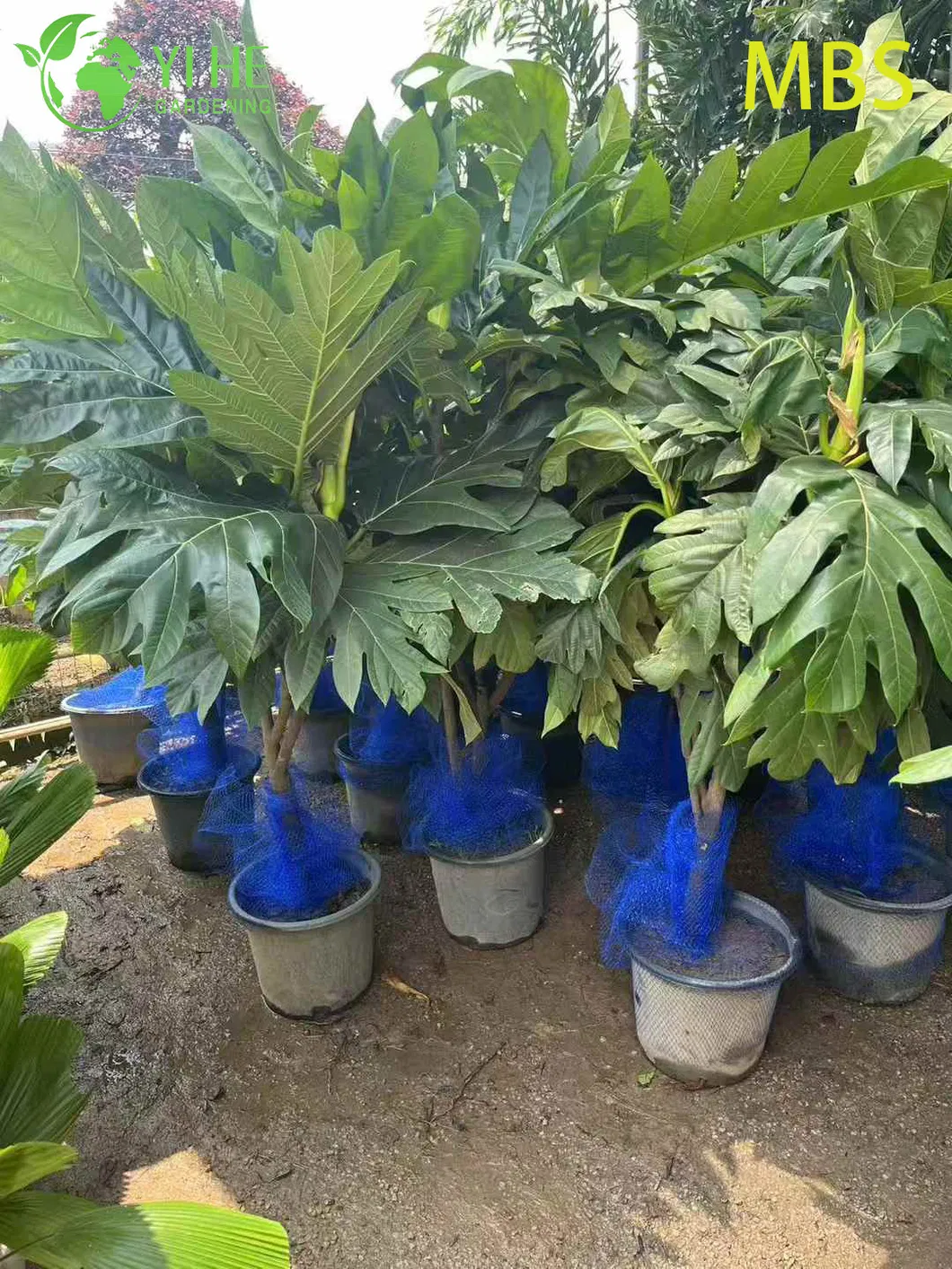
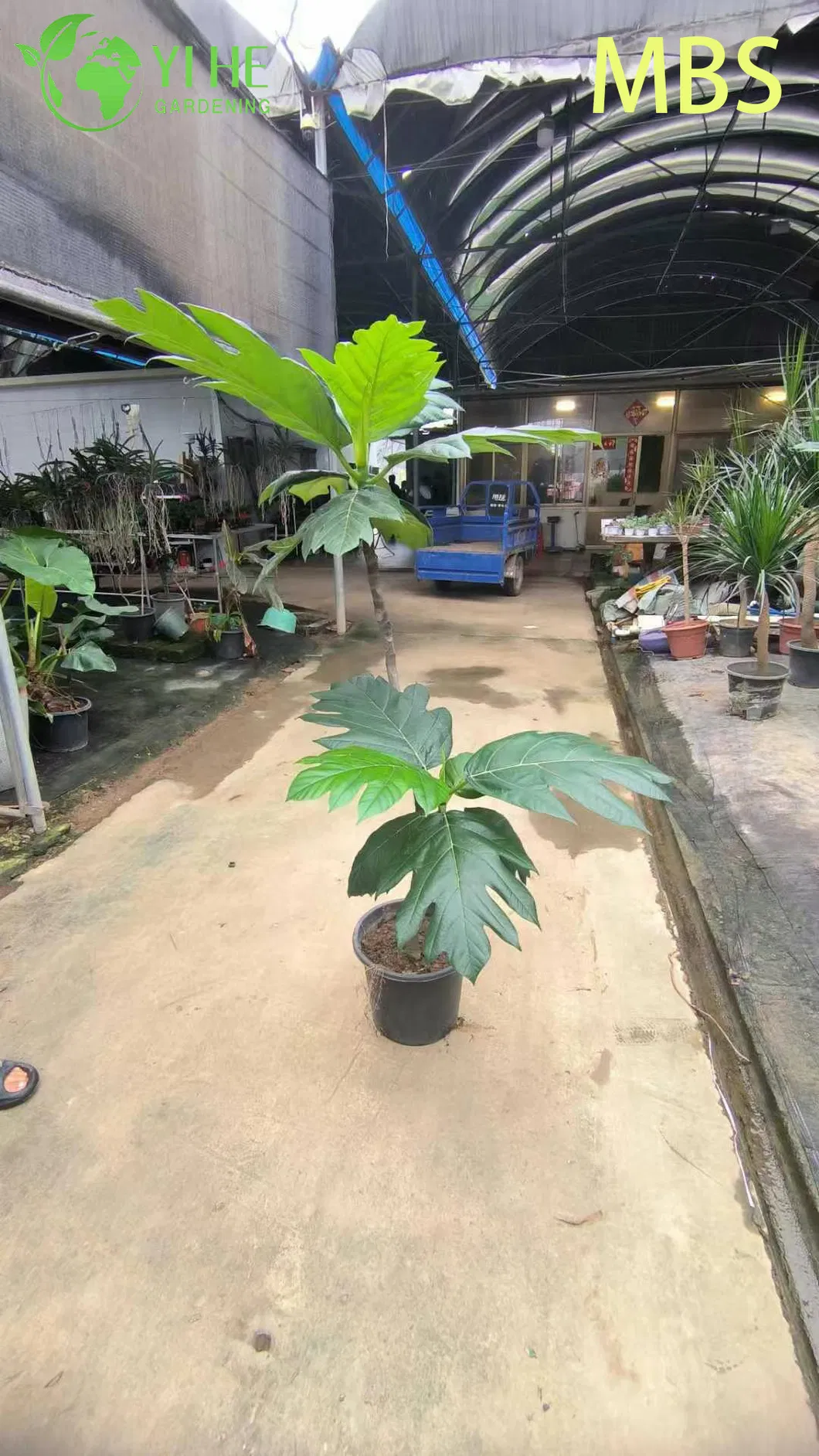
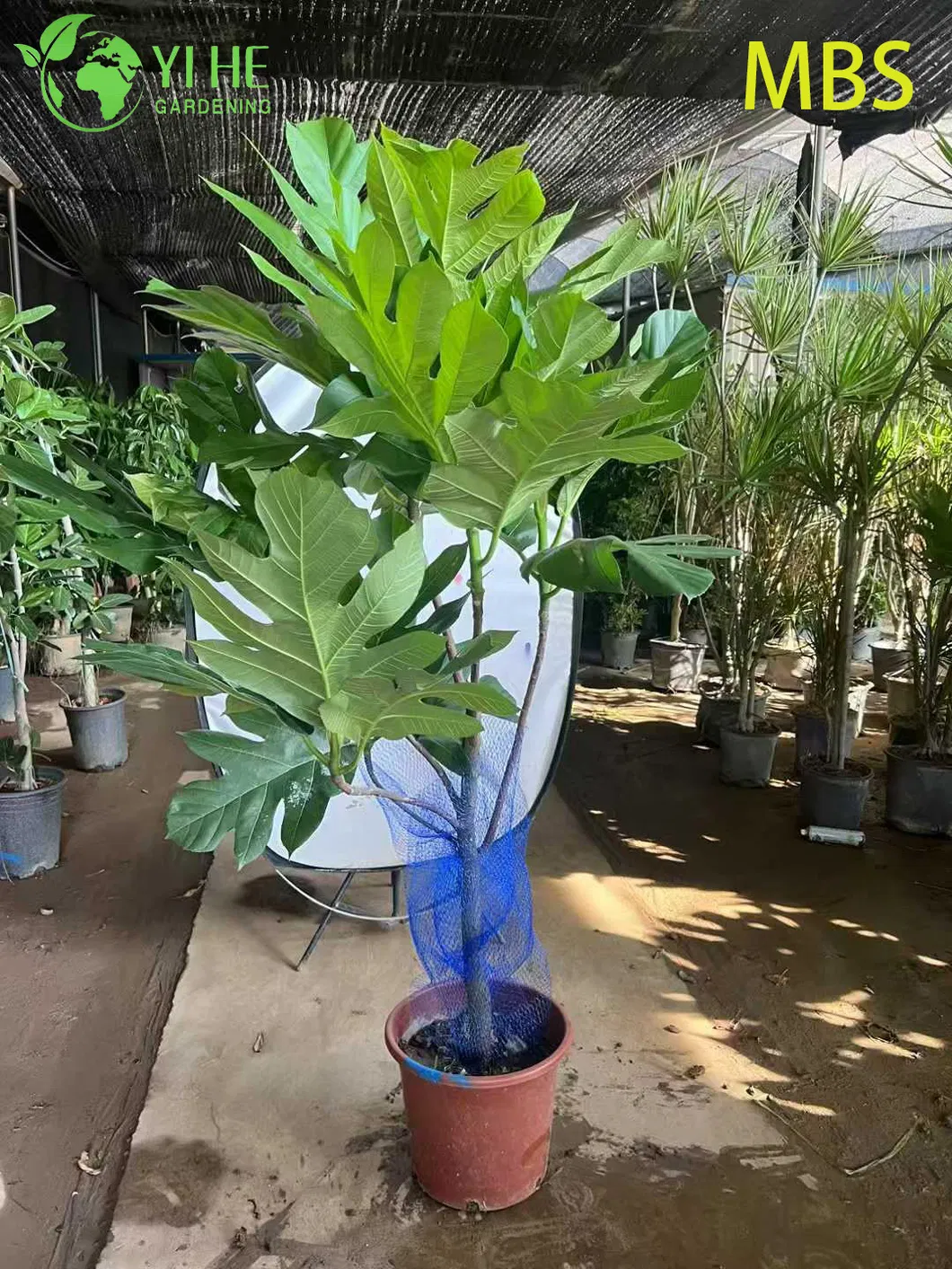
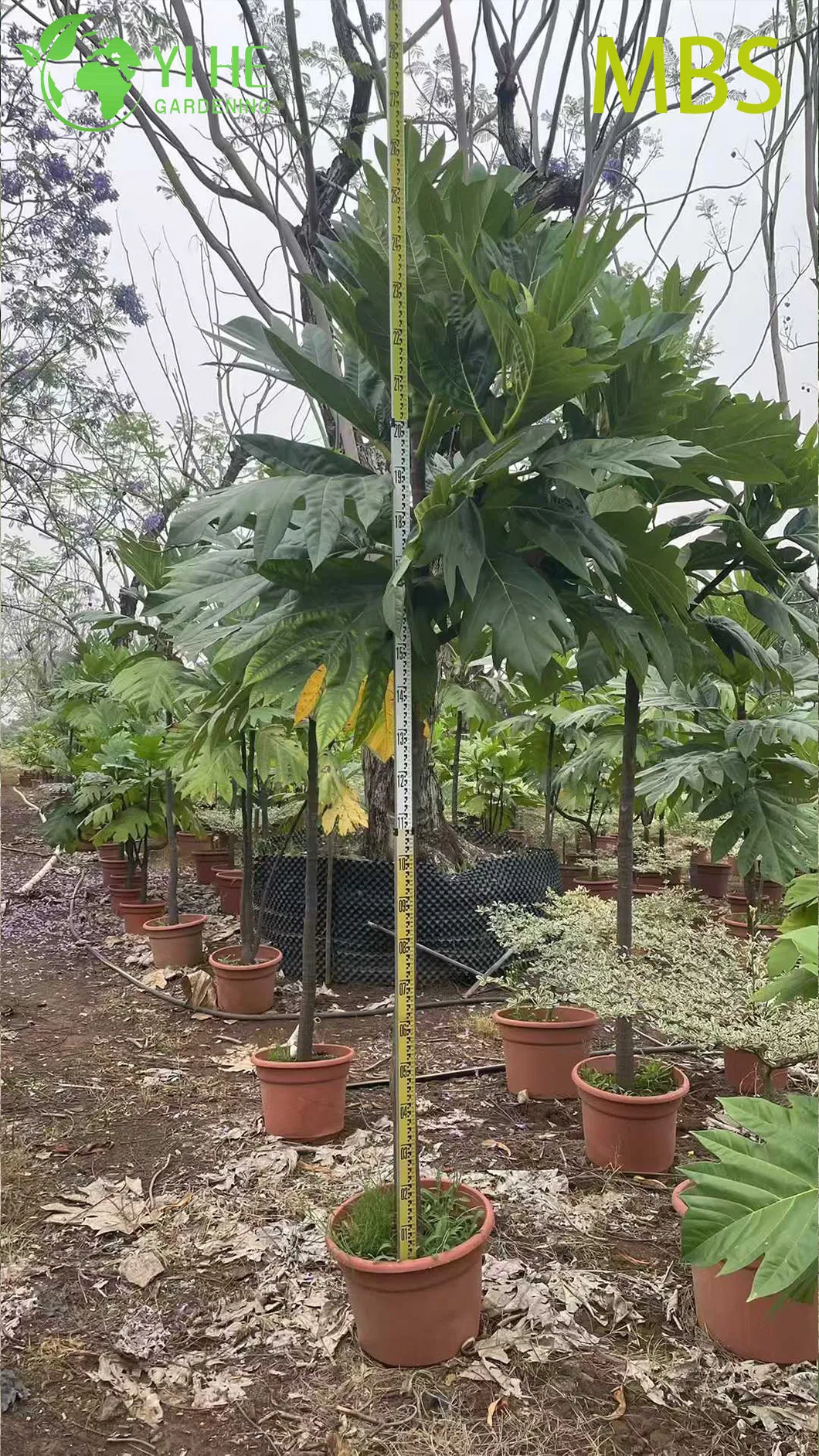
- Magnificent Tropical Foliage: Deeply cut leaves for a lush aesthetic.
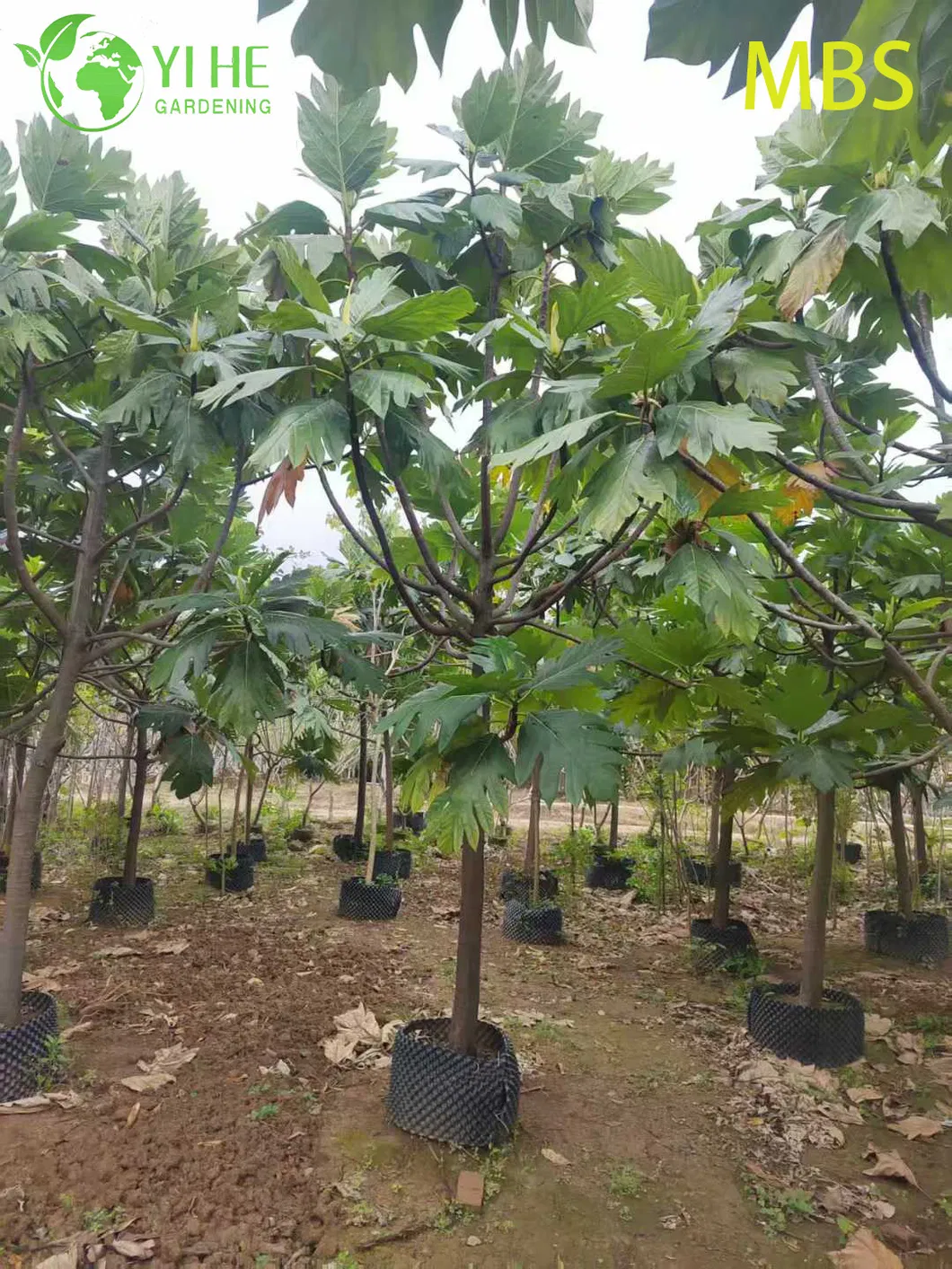
- Fast-Growing Shade: Rapidly develops a wide, dense canopy.
- Historical Significance: Unique cultural and naval history.
1. Can the Breadfruit tree survive in cold climates?
No, the Breadfruit is an ultra-tropical tree and has no tolerance for frost. It requires consistently warm temperatures (USDA Zones 10-12).
2. How much sunlight does the Breadfruit tree need?
This tree requires Full Sun. It is a non-negotiable requirement for proper growth and fruit development.
3. How often should I water my Breadfruit tree?
It is a thirsty tropical tree. Established trees need at least a deep weekly watering, and more frequent moisture when young or during dry spells.
4. How much fruit can a mature tree produce?
A single mature Breadfruit tree can produce up to 200 kg of fruit per year, making it an excellent sustainable food source.
5. Is the Breadfruit tree good for landscape design?
Yes, it is unparalleled for creating quick, dense shade and a tropical, jungle-like aesthetic due to its enormous, textured leaves.
 Sativa Plant