Origin and Historical Background
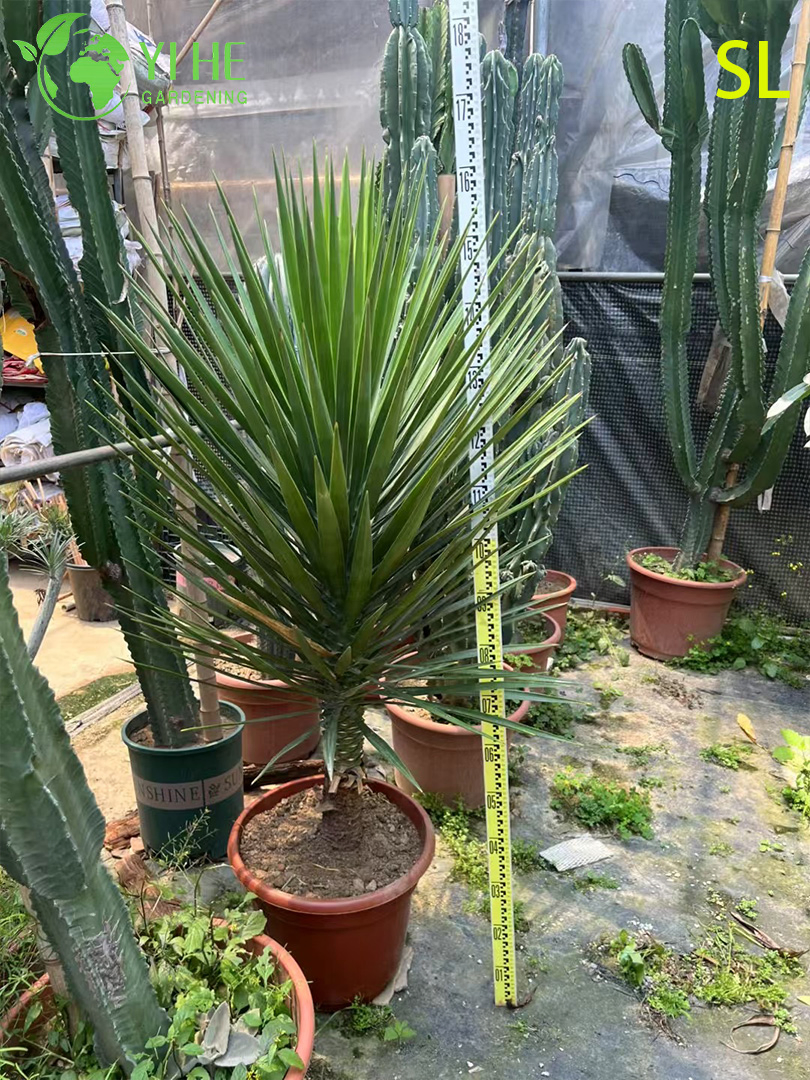
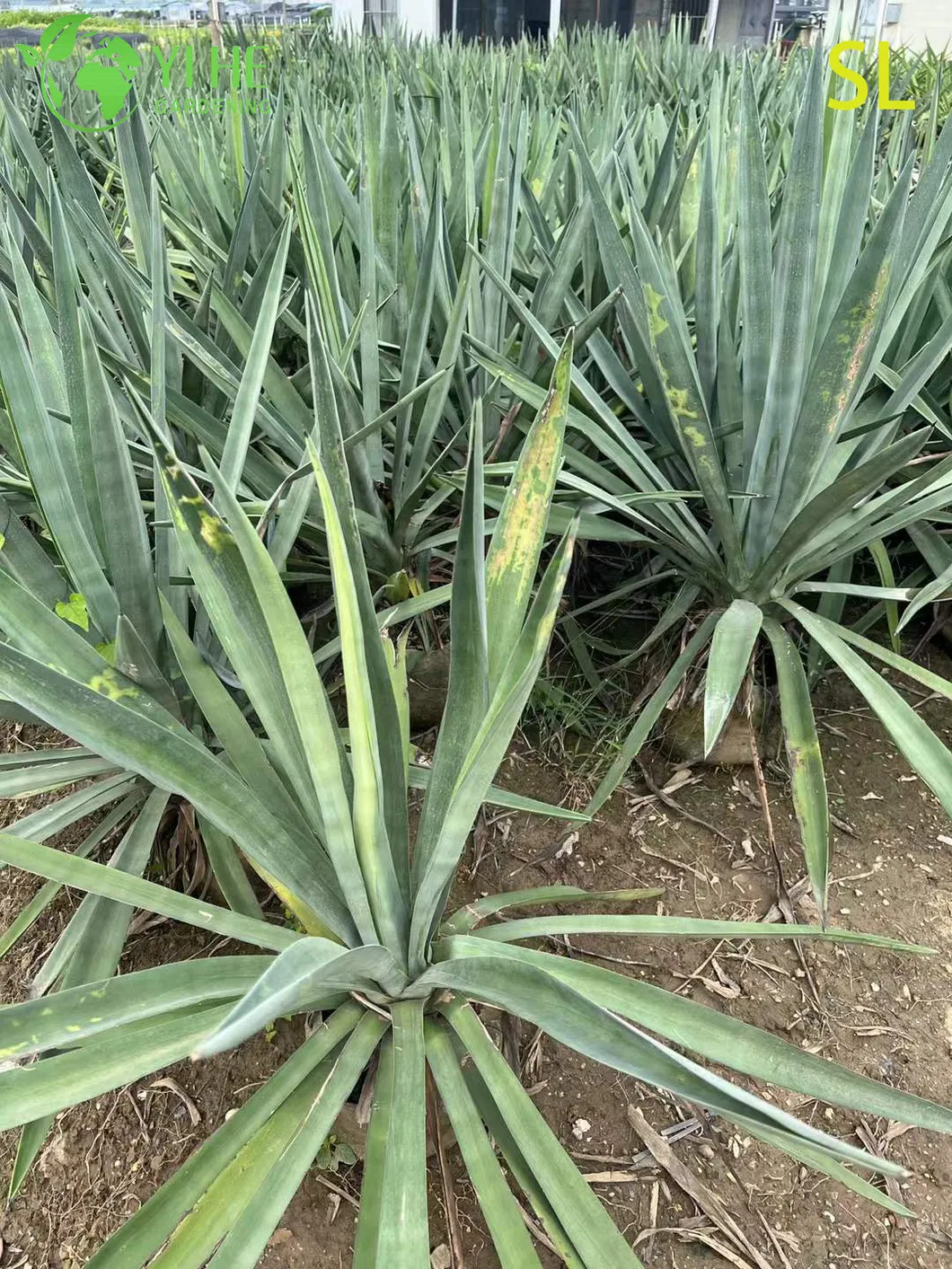
Native to the arid and coastal regions of the Americas, the Yucca is a symbol of endurance and resilience. For centuries, these plants were a vital resource for indigenous peoples. Today, the Yucca is celebrated for its powerful form and suitability for sustainable, water-wise gardening practices (xeriscaping).
Environmental Benefits
The Yucca is ideal for landscaping. Its extremely low water requirement helps conserve precious water resources. Its dense structure provides shelter for wildlife, and its flower spikes are a valuable nectar source for pollinators.
💡 Simple Care Guide
- Light: Demands Full Sun. Place in the sunniest part of the landscape for compact growth.
- Watering: Extremely drought-tolerant. A Bi-weekly schedule is only needed initially; once established, it rarely needs supplemental water.
- Soil: Requires sharp, excellent drainage. Thrives in sandy, rocky, or gravelly soils.
- Hardiness: Exceptionally tough, tolerating intense heat, high winds, and significant frost.
Versatile Applications
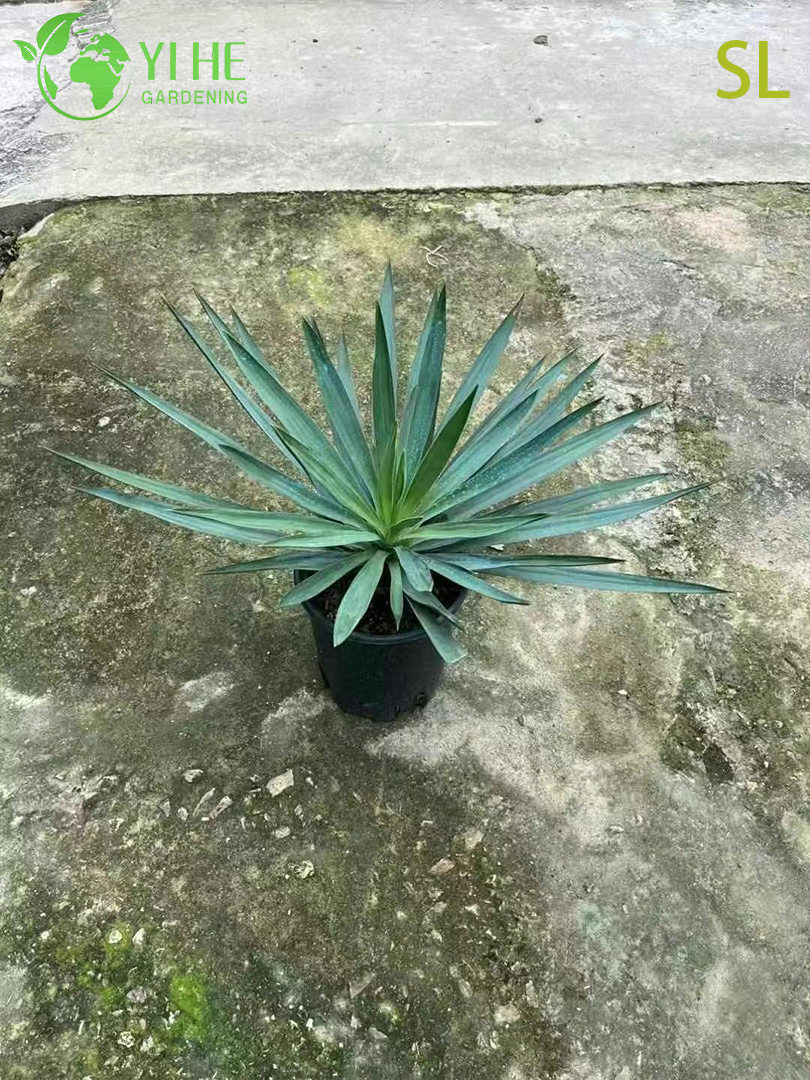
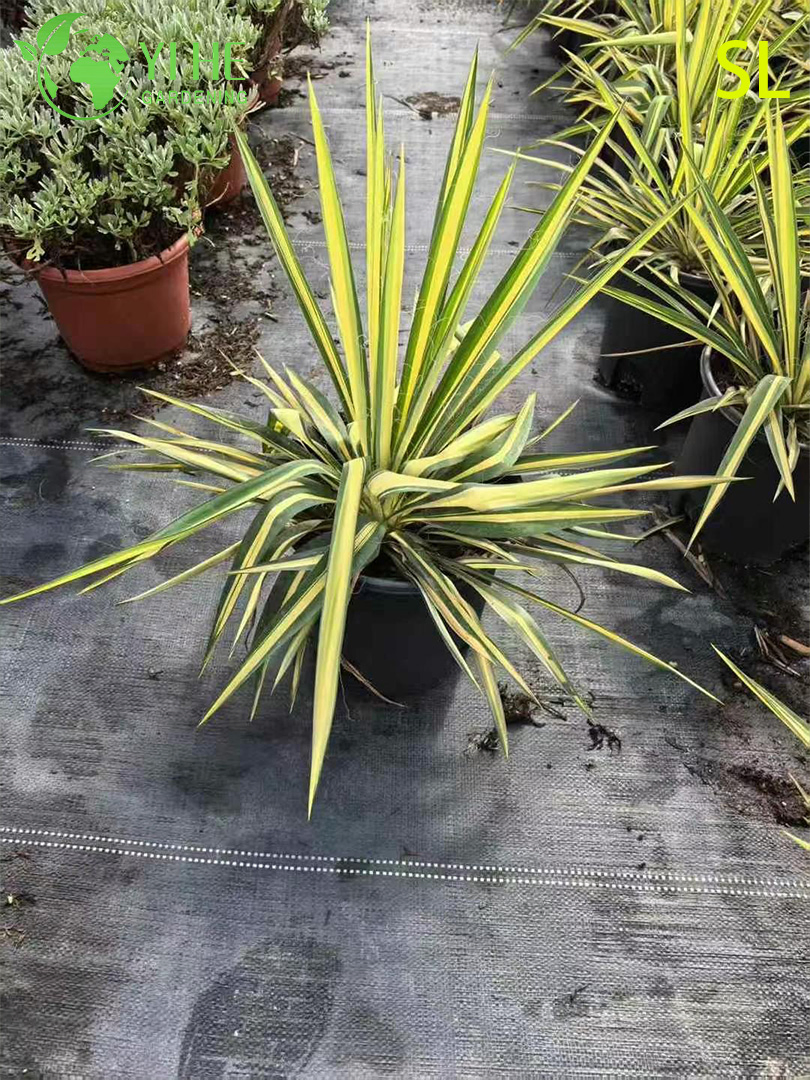
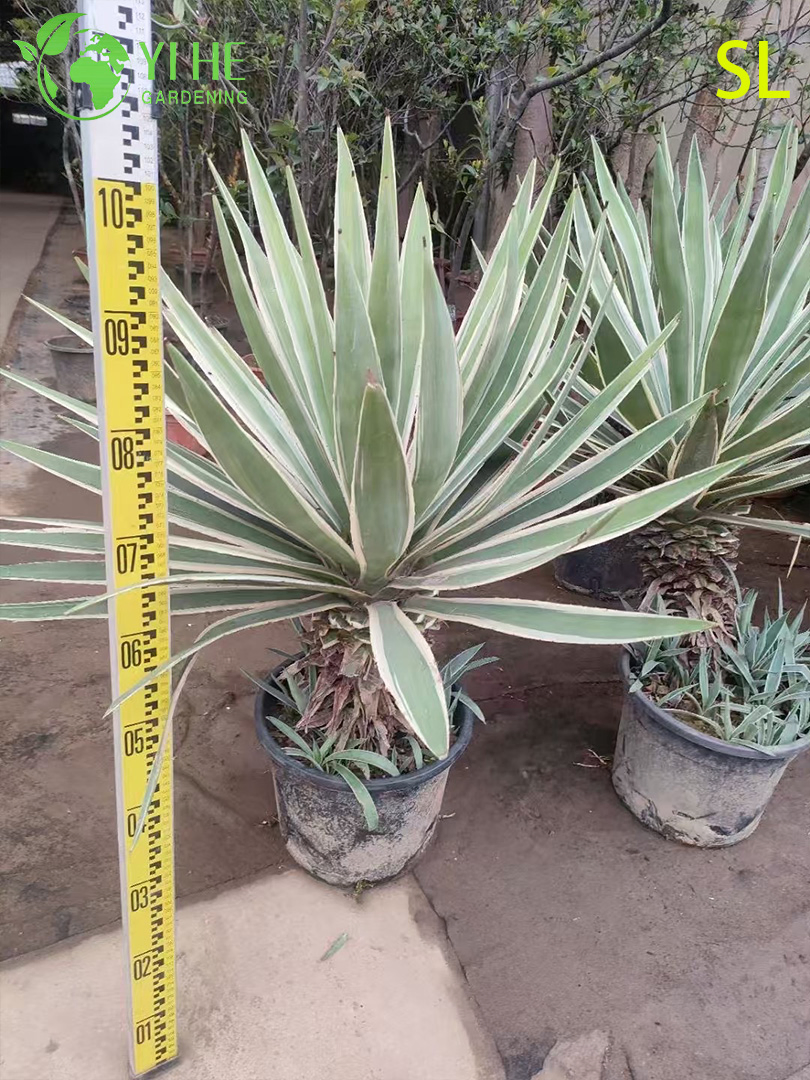
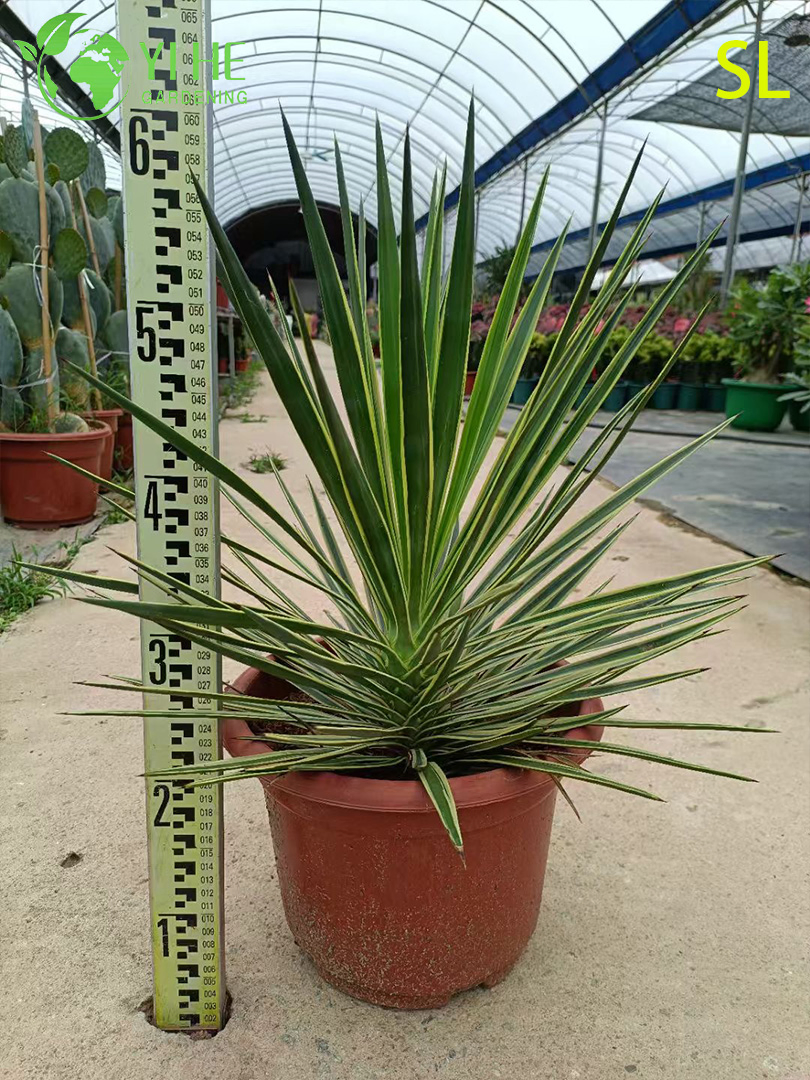
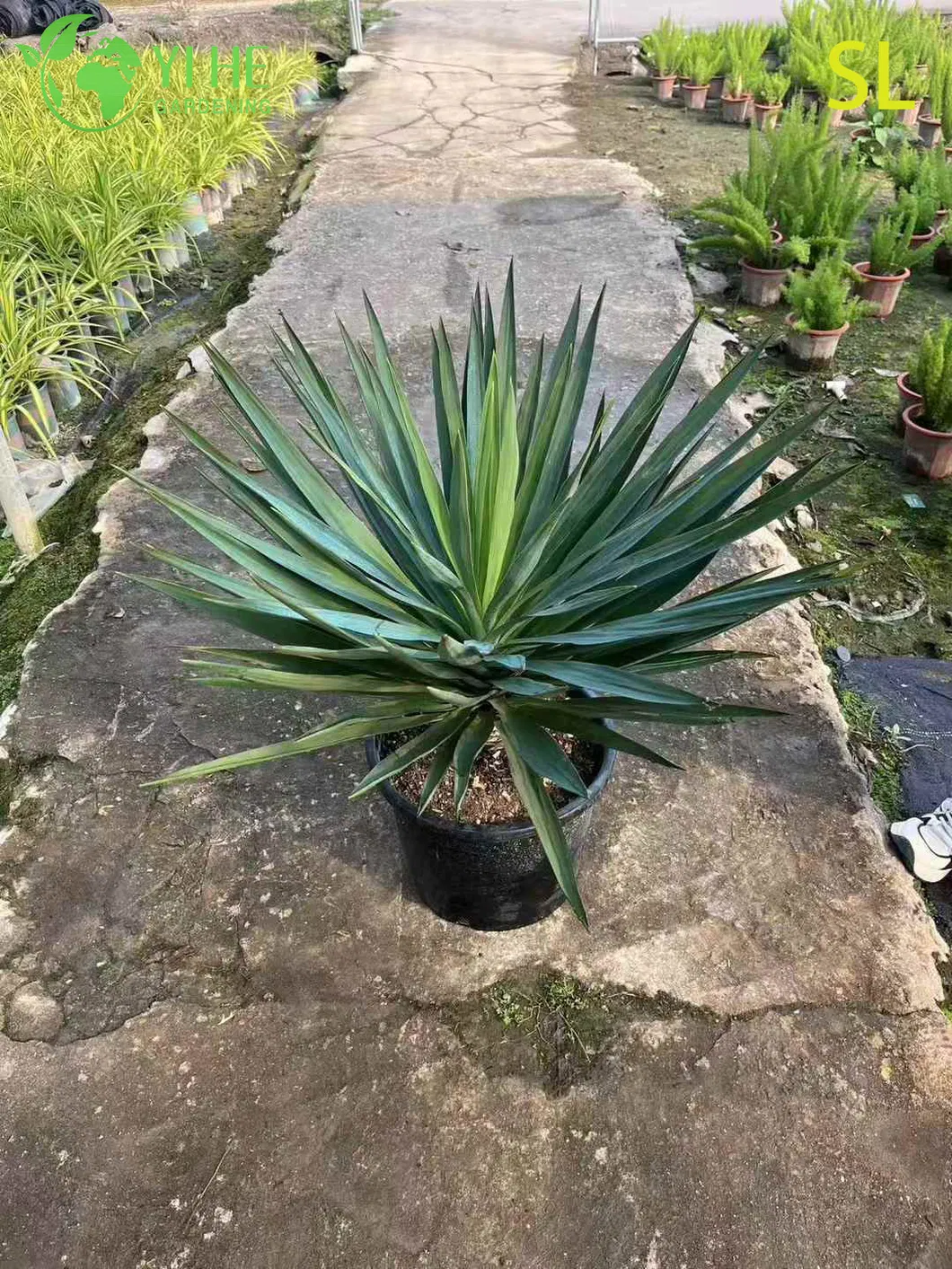
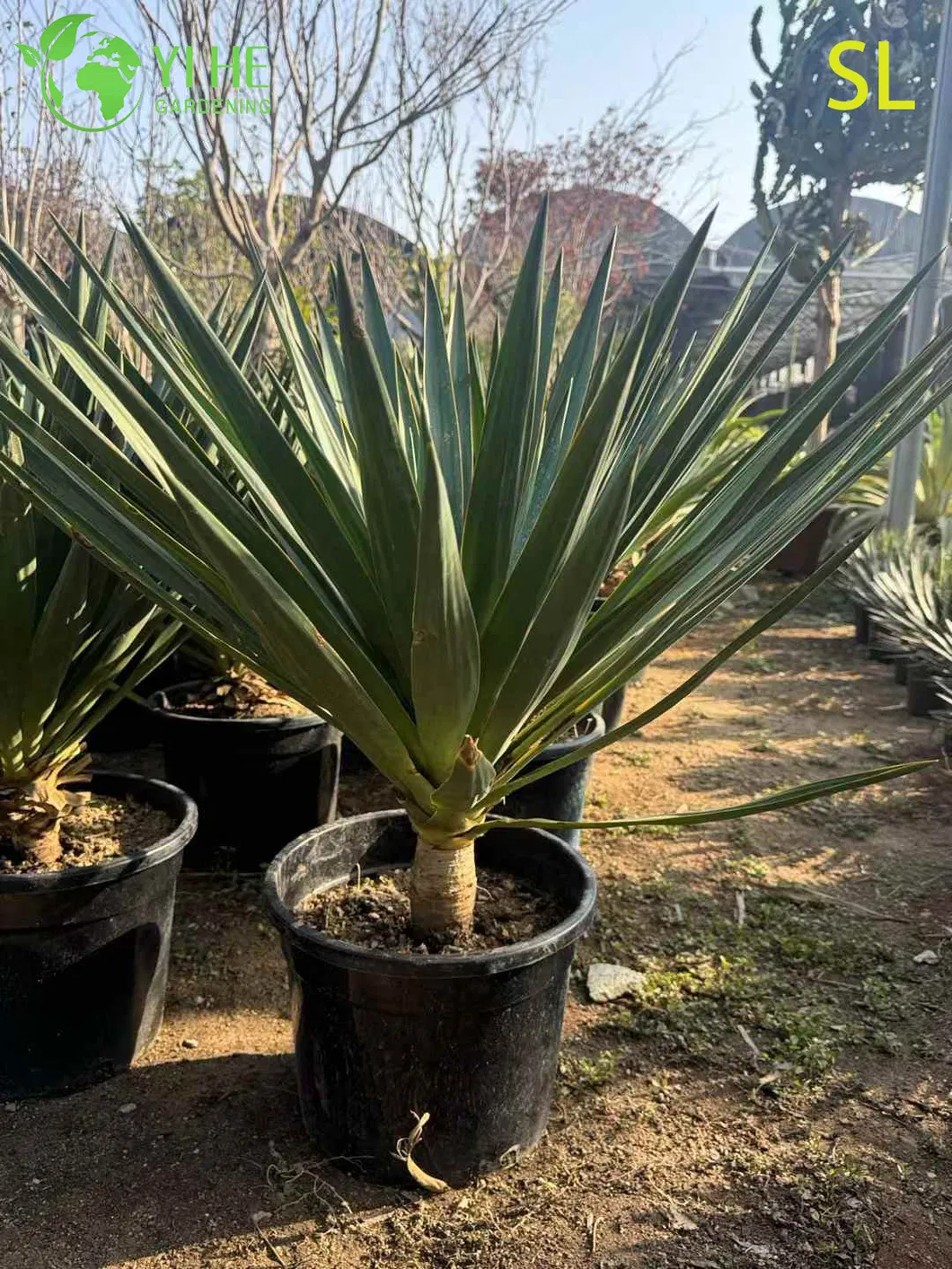
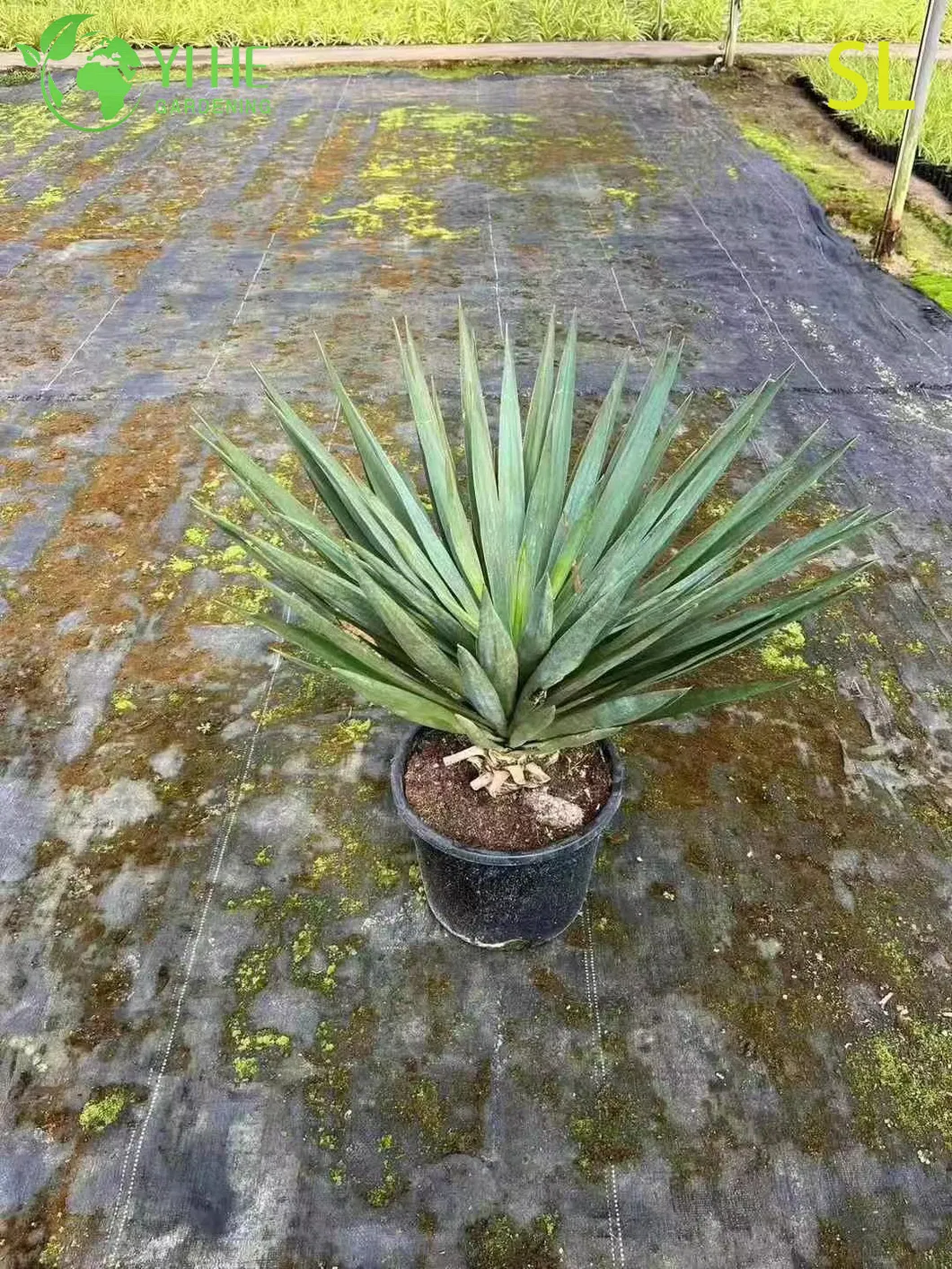
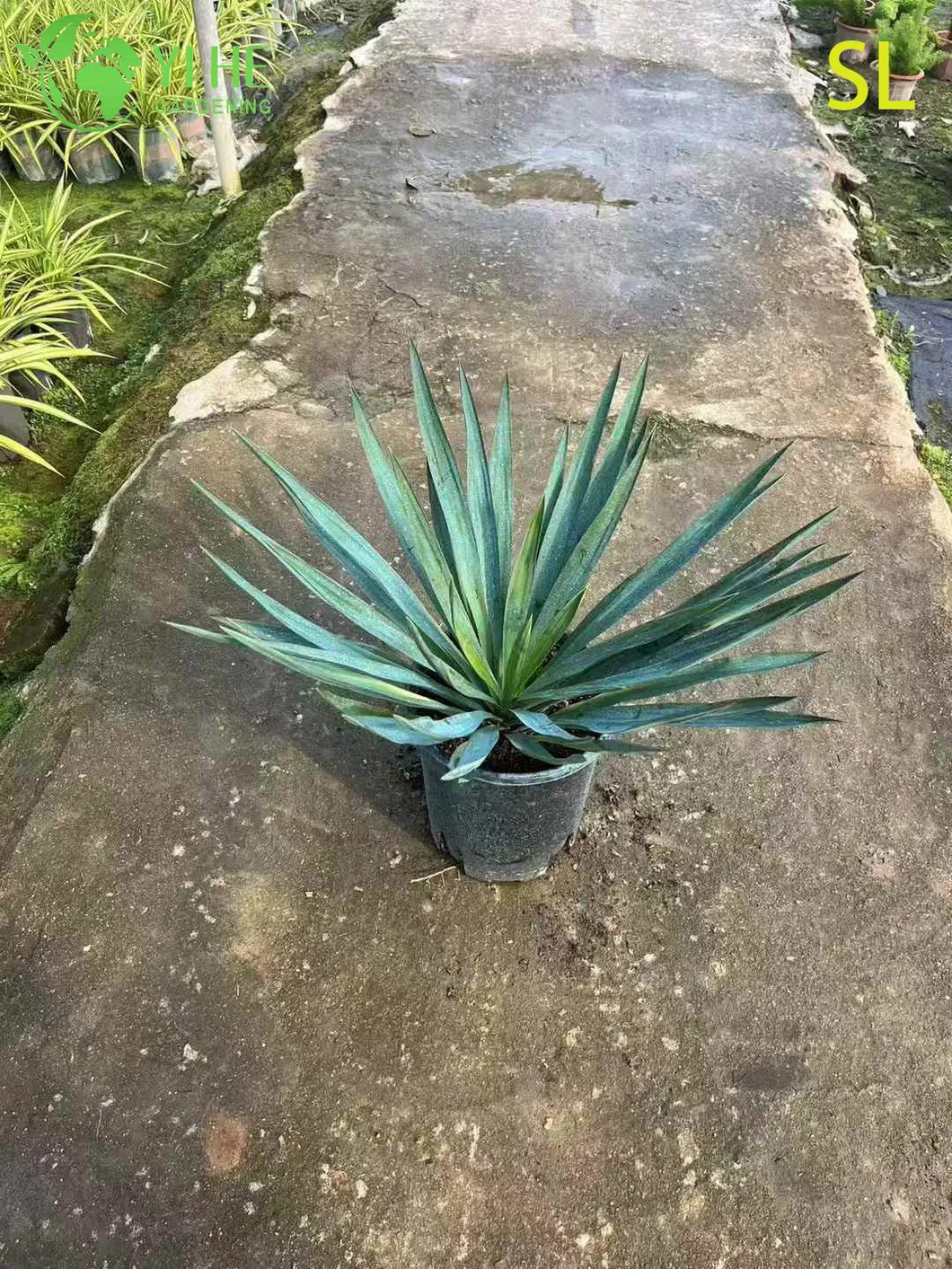
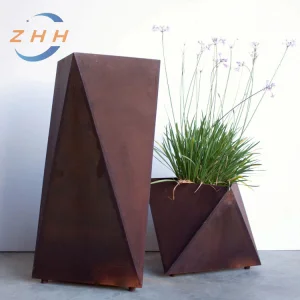
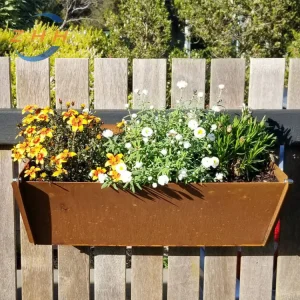
Use Yucca as a bold, architectural anchor. Its radiating form provides dramatic contrast near soft ornamental grasses or low succulents. Plant in a formal grid for a modern effect or as a single specimen focal point.
Key Advantages
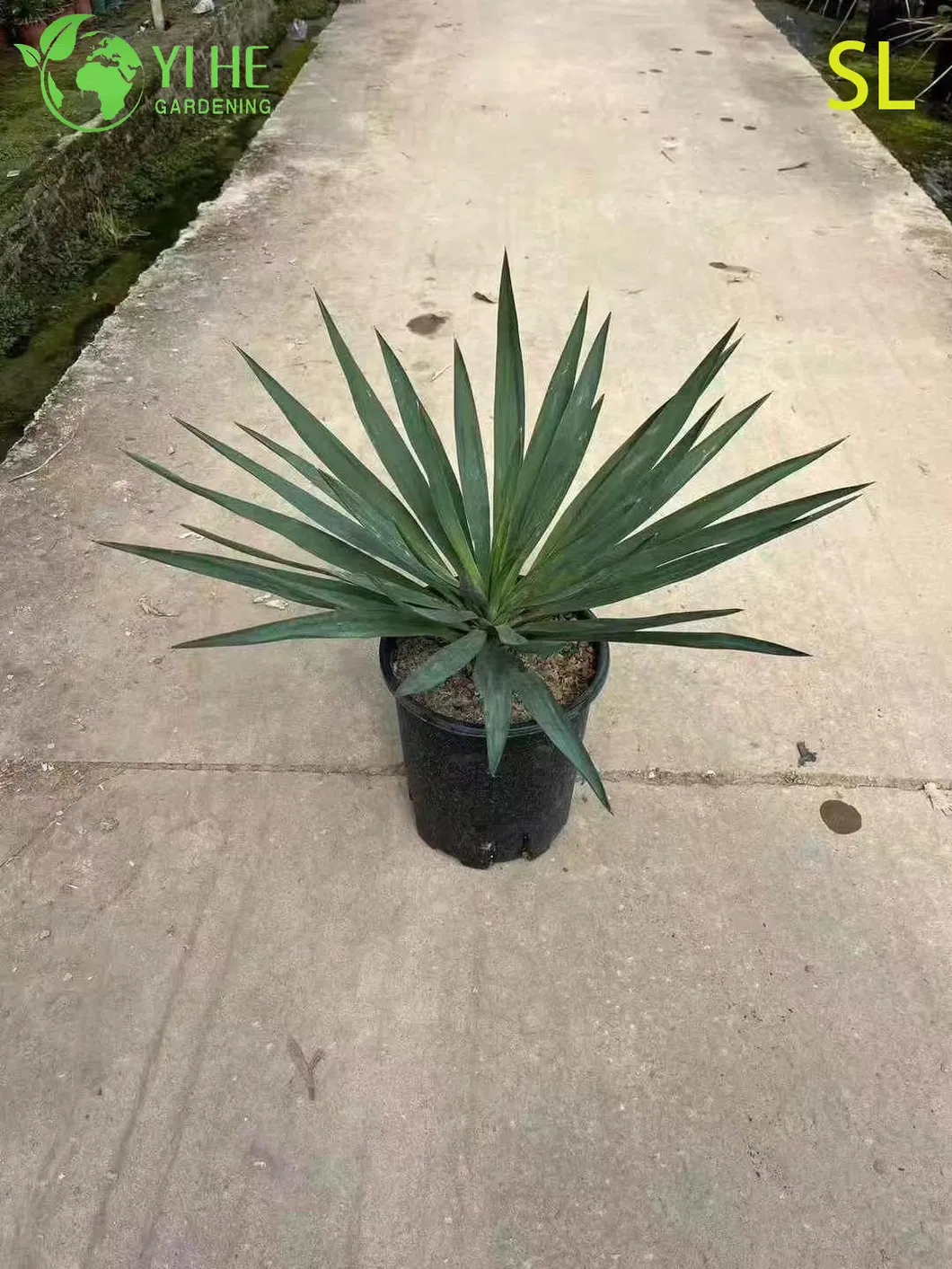
- Powerful Architectural Form: Symmetrical starburst shape makes a strong design statement.
- Extreme Drought & Heat Tolerance: Perfect "plant-and-forget" specimen.
- Low Maintenance: Requires virtually no care once established.
- Cold Hardy & Evergreen: Provides year-round structure even in colder climates.
❓ Frequently Asked Questions
1. How much sunlight does a Yucca plant need?
Yuccas require full sun and thrive in the brightest, hottest parts of your garden or home to maintain their strong, compact shape.
2. Is it easy to overwater a Yucca?
Yes, overwatering is the primary threat to these plants. They are drought-tolerant and should only be watered bi-weekly or less once established.
3. Can Yucca plants survive cold winters?
Many species are cold-resistant and exceptionally tough, making them suitable for various climates where frost may occur.
4. What type of soil is best for Yucca?
They require excellent drainage and thrive in sandy, rocky, or gravelly soils. Avoid heavy clay or wet conditions.
5. Are these plants suitable for modern landscaping?
Absolutely. Their sharp, symmetrical "starburst" form is highly valued by designers for modern, rhythmic, and sculptural landscape designs.
 Sativa Plant