📦 Packing & Delivery
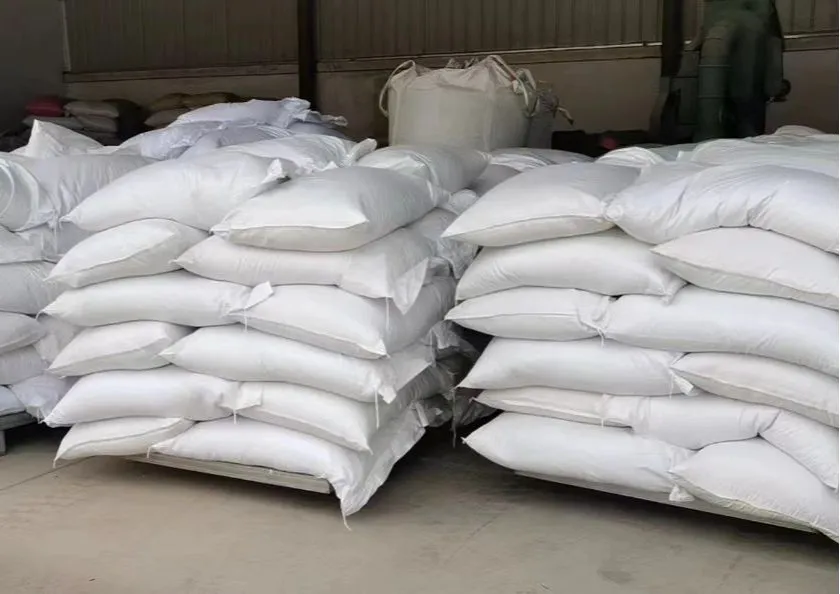
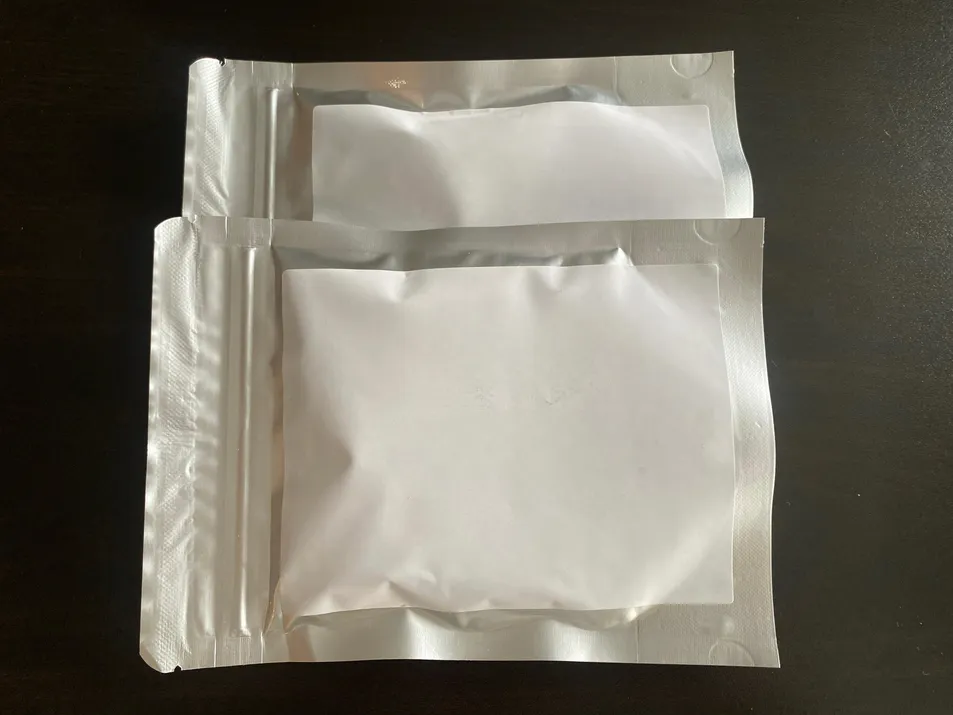
⚠️ Key Precautions for Transporting Seeds
• Use airtight, moisture-resistant containers (e.g., sealed plastic bags, vacuum packs, or desiccant-filled packages).
• Label packages clearly with seed type, quantity, origin, and handling instructions.
• For fragile seeds, use cushioning materials to prevent mechanical damage.
🏢 Company Profile
Through strategic partnerships with the most esteemed teams of experts specialized in different vegetable and flower seeds varieties, we have achieved a rich portfolio of superior seeds, especially in cruciferous vegetables seeds, watermelon seeds, melon seeds and certain flower seeds.
Sustainability is at the heart of our operations. We recognize the profound impact of agriculture on our planet and strive to minimize our environmental footprint through eco-friendly practices. Our ambition is to help global farmers to have better business and easy access to more healthy and fresh vegetables and fruit!
❓ Frequently Asked Questions
Q1: How long is the delivery time?
A: If we have stock for 15 days, we can send you. If no stock you need place an order for certain varieties, then you need to book in one year in advance.
Q2: Can I get a free sample?
A: Yes, the sample can be free below 10g. According to our experience, 3g of cauliflower seeds can be planted on one acre of land.
Q3: Do you have the International seeds certificate?
A: Yes. We have International Seed Testing Association (ISTA), Phytosanitary Certificates, Non-GMO Certifications, Fair trade Certifications and so on. We can provide the certificates you need according to your requirements.
Q4: What are the main vegetable seed varieties available?
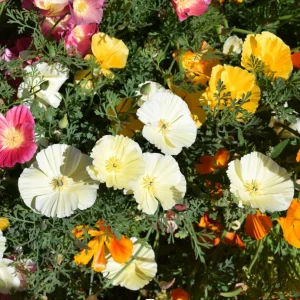
A: We specialize in a rich portfolio including cruciferous vegetables, watermelon, melon, and specific flower seeds.
Q5: How do you ensure seed quality during transport?
A: We use airtight, moisture-resistant packaging and vacuum packs with clear labeling and cushioning to prevent damage.
Q6: What is the production capacity for flower seeds?
A: Our current production capacity for these specific varieties is approximately 6 tons per year.
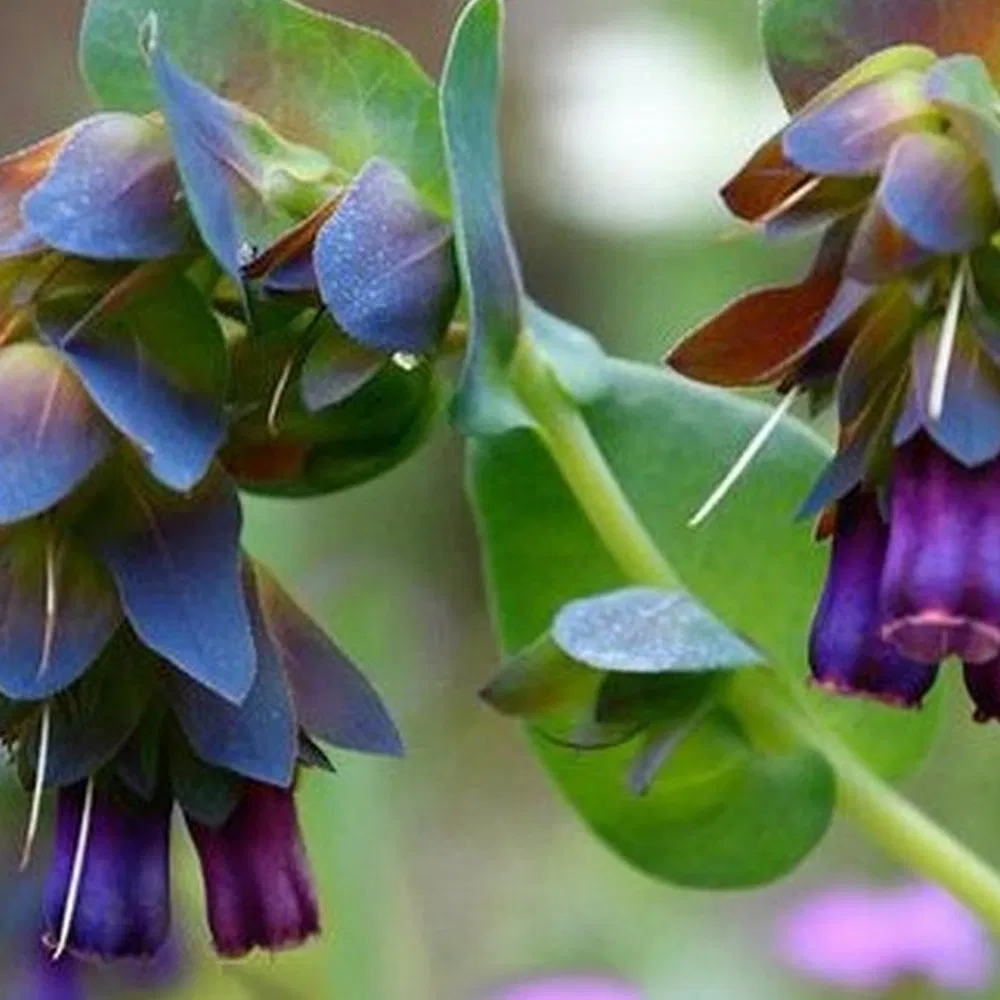
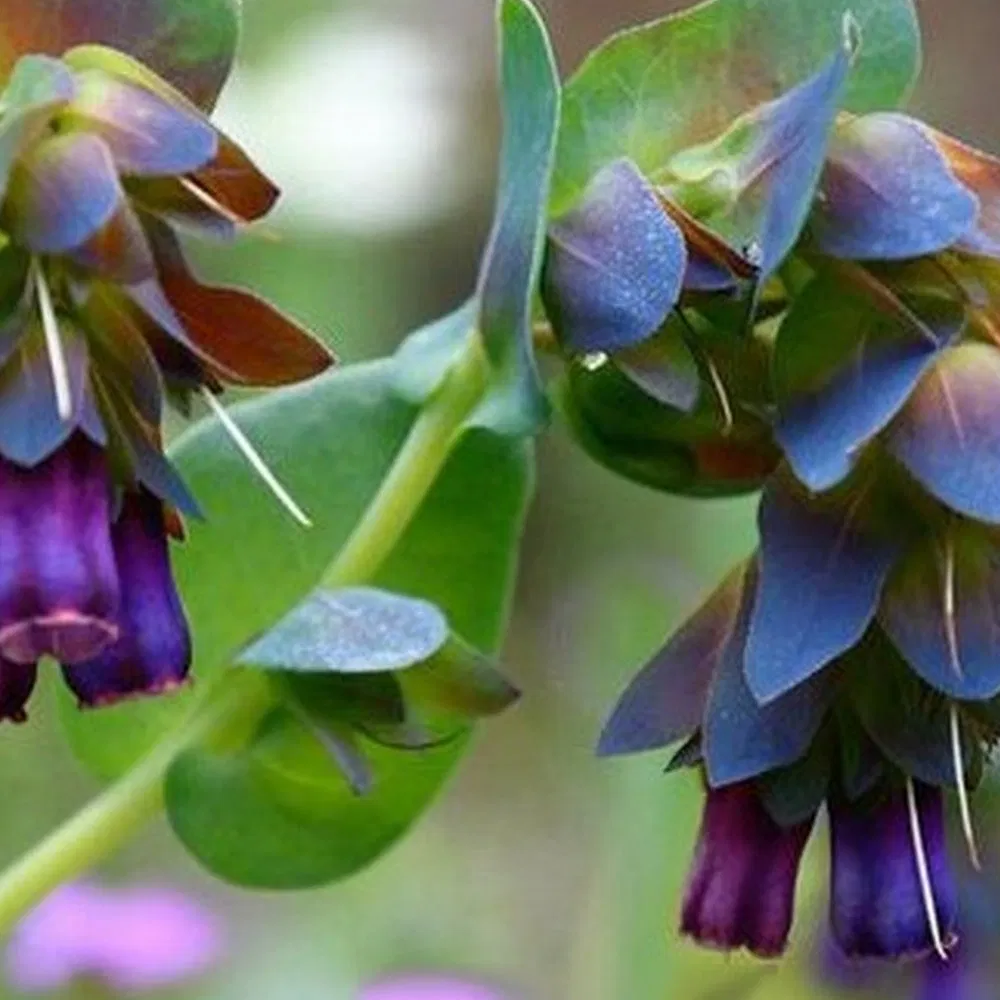
 Sativa Plant