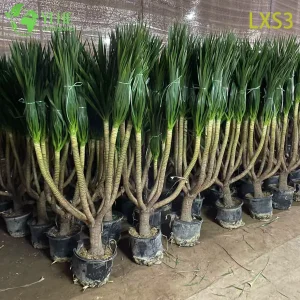
Engineered for northern climates, these primary vegetative and architectural systems provide immediate water-use efficiency while withstanding the severe seasonal fluctuations typical of Latvia and the Baltic region.
Latvia is historically characterized by a temperate maritime climate, with moderate precipitation distributed throughout the year. However, meteorological data from recent decades reveals a clear trend of rising temperatures, drier spring seasons, and prolonged summer heatwaves. These conditions present unprecedented challenges to public landscaping, municipal developments, and commercial real estate green zones in cities like Riga, Daugavpils, and Liepāja. Conventional turfgrass and high-irrigation ornamentals are becoming increasingly expensive to maintain, driving a macroeconomic shift toward Xeriscape methodologies.
Sandy and podzolic soils across Latvia empty their water reserves rapidly during dry periods, making early botanical development difficult without extensive irrigation.
Xeriscaping in the Baltics cannot copy desert designs. Plants must be cold-hardy, surviving freezing winters down to -25°C while maintaining drought tolerance in summer.
By shifting to drought-resistant ground covers and biostimulant-treated soils, landscape architects minimize runoff and avoid localized groundwater contamination.
The global xeriscaping market is experiencing a rapid expansion, projected to grow at a CAGR of 6.8% over the next decade. This growth is driven by municipal water conservation mandates, the soaring costs of synthetic chemical treatments, and a societal demand for ESG-compliant real estate developments. Internationally, green building certifications such as LEED and BREEAM reward projects that reduce outdoor potable water consumption by 50% or more. In Northern Europe, this has led to a major transition toward low-maintenance, long-lifespan landscape designs.
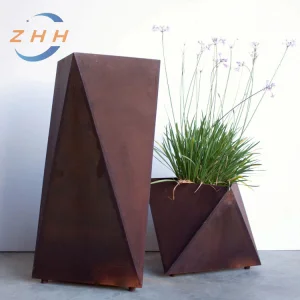
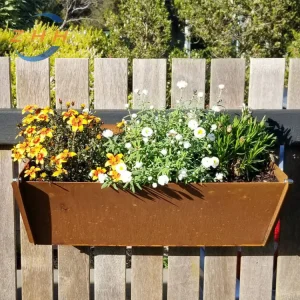
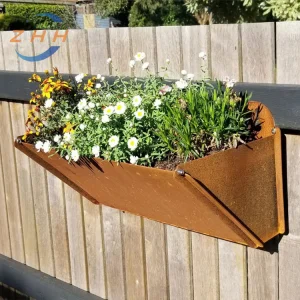
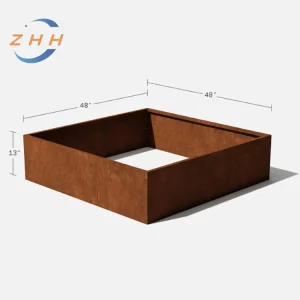
As a prominent exporter, we bridge the gap between global supply chain capabilities and local Baltic technical requirements. Our structural steel planters, including heavy-duty weathering steel elements (Corten), provide structural integrity and aesthetic alignment for contemporary urban environments. They protect roots from frost heave and minimize soil compaction while integrating seamlessly with modern architectural lines.
A true xeriscaping strategy extends beyond selecting drought-tolerant plants; it addresses the rhizosphere. Our parent entity, Hangzhou Sativa Plant Co., Ltd., brings specialized research in natural plant extracts and phytochemistry to this challenge. While we provide robust hardware like Corten planters and adapted seeds, our core scientific capabilities center on using natural organic compounds (such as high-purity tannins, gallic acid, and plant-derived polyphenols) to act as soil conditioners and growth enhancers.
When applied to sandy and podzolic soils common in Latvia, plant-derived active compounds help stabilize soil structure, enhance moisture retention at the root level, and stimulate mycorrhizal activity. This scientific bridge between botanical chemistry and structural landscaping forms a complete ecological system:
By leveraging natural plant extracts (such as gallnut and *Sophora japonica* derivatives), we formulate solutions that strengthen plant cell walls and enhance osmotic regulation. This allows plants to survive dry spells and sudden cold drops without losing structural integrity or entering irreversible shock.
Our commitment to internationally recognized quality standards ensures every batch of plant-derived material and landscape product meets rigorous compliance checks, including ISO9001, ISO14001, ISO22000, and REACH certifications.
Developing a commercial-grade landscape in Riga or the surrounding municipalities requires structured planning. The following architectural design process outlines the system layout:
Ensure adequate permeability. While Baltic soils are often sandy, urban fill soils can be highly compacted. Integrating gravel-base subgrades and adjustable-drainage planters is vital to prevent winter waterlogging.
Utilize Corten steel containment units to raise root zones above sub-zero ground frosts. Raising the planting beds also helps define pathways and buffers against mechanical snow-clearing operations.
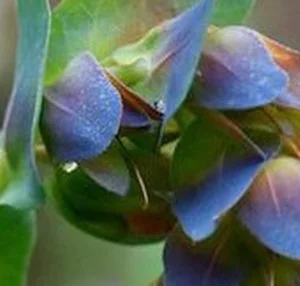
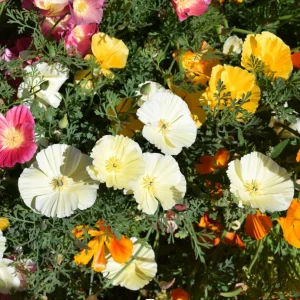
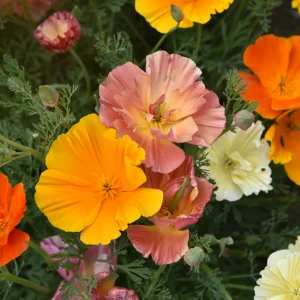
Layer plantings using a mix of drought-resistant seeds (like *Cerinthe Major* and *California Poppy* for seasonal color) and cold-hardy perennials (such as English Lavender). This layered approach protects the soil surface from wind erosion and preserves moisture.
Apply natural organic compounds to the root zone at planting. This stimulates fine root growth, helping plants establish deep root networks before the dry summer months arrive.
Since its establishment, Hangzhou Sativa Plant Co., Ltd. has adhered to the development philosophy of “From Plants, Research for Health.” Rooted in the field of natural plant extraction, the company focuses on the intensive processing and deep development of plant-based raw materials. With gallnut, Siraitia grosvenorii (monk fruit), turmeric, bitter orange, and Sophora japonica as its core resources, the company has established a stable supply chain and advanced production technology to transform natural plant materials into high-value functional ingredients.
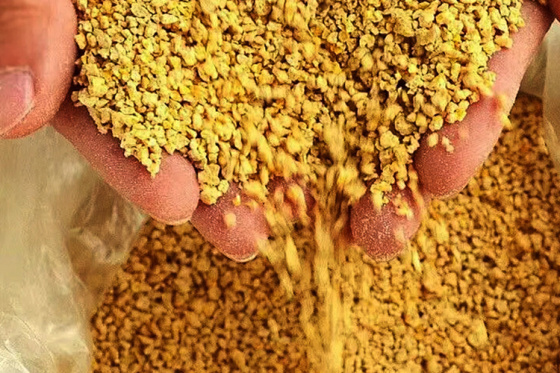
The company’s main products include tannin, gallic acid, propyl gallate, mogroside (siraitin), curcumin, hesperidin, rutin, and other plant-derived compounds. These products are widely used in many industries such as pharmaceuticals, food and beverages, animal feed, textile processing, printing and dyeing, metallurgy, new materials, aerospace, and microelectronics. With reliable quality and competitive supply capability, the products are exported in large quantities to the United States, the European Union, Japan, Southeast Asia, and other international markets.
Guided by innovation and quality, Hangzhou Sativa Plant Co., Ltd. continuously strengthens its research and development capabilities, production technology, and quality management systems. The company integrates modern extraction technology, purification processes, and strict quality control standards to ensure that every product meets international requirements and customer expectations.
To ensure high standards in management and product safety, the company has obtained a series of international certifications, including ISO9001, ISO14001, ISO22000, ISO45001, and ISO56005. In addition, the company is registered with HACCP, FAMI-QS, HALAL, KOSHER, and REACH, demonstrating its commitment to global regulatory compliance. It is also an enterprise that has obtained Advanced AEO Certification from Customs, reflecting its credibility and excellence in international trade operations.
Looking toward the future, Hangzhou Sativa Plant Co., Ltd. will continue to uphold its philosophy of innovation, sustainability, and health-oriented development, further expanding its plant extraction technologies and product applications. By combining natural resources with modern science, the company aims to create greater value for customers and contribute to the global development of natural, healthy, and sustainable industries.
Explore our export-grade botanical inventory and structural hardware systems. These products are curated to meet the needs of Baltic landscape architects, municipal planners, and commercial developers looking for reliable, high-performance xeriscaping elements.
Expert insights regarding technical compliance, cold winter installation, and soil amendments for Latvian and European projects.
 Sativa Plant