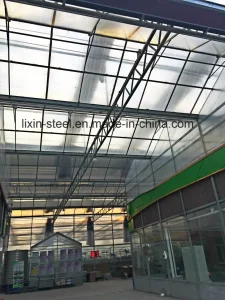
Premium solutions engineered for high-efficacy botanical cultivation, terrarium setups, and modern horticultural management.
A comprehensive examination of how beneficial insect conservation, biological control networks, and advanced phyto-extraction converge to form resilient botanical supply chains.
Controlled, non-destructive insect interaction acts as a natural biotic elicitor. The target plants respond by upregulating their defense pathways, dramatically increasing secondary metabolites such as tannins, gallic acid, and hesperidin.
By eliminating toxic chemical pesticides and relying on micro-habitats for predatory insects, the resulting raw biomass remains entirely free of chemical residues. This complies with strict EU REACH and FDA regulations.
Integrating insect-friendly planting factories with wild and managed pollinator corridors stabilizes genetic traits, increases seed germination rates, and promotes genetic resilience across critical botanical cultivars.
Traditional cleanroom indoor farming ignores ecological signaling. Research shows that plants grown in sterile settings produce significantly lower levels of active compounds. Our insect-friendly sourcing method mimics natural ecologies. This results in standardizing high concentrations of raw compounds like monk fruit mogrosides, turmeric curcumin, and Sophora japonica rutin.
China's industrial agricultural sector has undergone a massive transformation. It now leads the world by combining high-capacity manufacturing with ecological conservation technologies. Chinese factories provide unprecedented supply chain stability for biological products through several key advantages:

Pesticide-Free Sourcing
Global Safety Accredited
Annual Extraction Output
Customs Advanced Status
Since its establishment, Hangzhou Sativa Plant Co., Ltd. has adhered to the development philosophy of “From Plants, Research for Health.” Rooted in the field of natural plant extraction, the company focuses on the intensive processing and deep development of plant-based raw materials. With gallnut, Siraitia grosvenorii (monk fruit), turmeric, bitter orange, and Sophora japonica as its core resources, the company has established a stable supply chain and advanced production technology to transform natural plant materials into high-value functional ingredients.
Guided by innovation and quality, Hangzhou Sativa Plant Co., Ltd. continuously strengthens its research and development capabilities, production technology, and quality management systems. The company integrates modern extraction technology, purification processes, and strict quality control standards to ensure that every product meets international requirements and customer expectations.
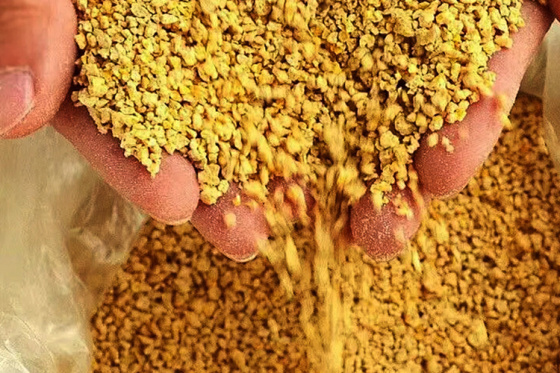
The company’s main products include tannin, gallic acid, propyl gallate, mogroside (siraitin), curcumin, hesperidin, rutin, and other plant-derived compounds. These products are widely used in many industries such as pharmaceuticals, food and beverages, animal feed, textile processing, printing and dyeing, metallurgy, new materials, aerospace, and microelectronics. With reliable quality and competitive supply capability, the products are exported in large quantities to the United States, the European Union, Japan, Southeast Asia, and other international markets.
Addressing the complex regulatory and technical demands of multi-national enterprise buyers across food, pharma, and industrial sectors.
| Target Sector | Primary Active Compound | Ecological Origin Advantage | Key Industrial Applications |
|---|---|---|---|
| Pharmaceuticals & Health | Rutin, Hesperidin, Curcumin | Pesticide-free raw materials reduce heavy metal and toxic residues. | Cardiovascular therapeutics, high-end anti-inflammatory drugs. |
| Food & Beverage | Mogroside (Siraitin) | Pure non-GMO Monk Fruit grown with biological pest control. | Clean-label natural zero-calorie sweeteners. |
| Animal Nutrition | Tannins, Propyl Gallate | Natural insect-friendly gallnut extractions replace synthetic antibiotics. | Gut health modulators, high-stability livestock feed additives. |
| Advanced Manufacturing | Gallic Acid, Tannic Acid derivatives | Ultra-purified botanical polyphenols. | Semiconductor chemical mechanical planarization (CMP), metallurgy. |
To ensure high standards in management and product safety, our partner facilities maintain key international certifications: ISO9001, ISO14001, ISO22000, ISO45001, and ISO56005. Additionally, compliance is maintained with registrations in HACCP, FAMI-QS, HALAL, KOSHER, and REACH. This comprehensive certification framework guarantees that every shipment is fully traceable, legally compliant, and immediately clearable through international customs, supported by our Advanced AEO Certification from Customs.
How modern agricultural components and natural extracts are used to address practical environmental challenges around the world.
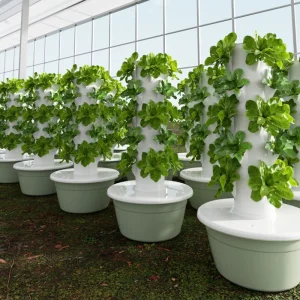
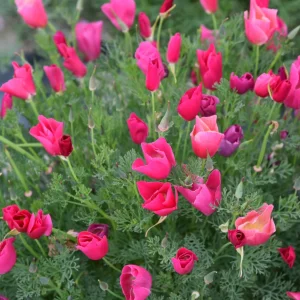
Cities utilize our specialized planters, steel structures, and flower seeds to build urban bee corridors. This counteracts habitat fragmentation and helps stabilize regional insect populations.
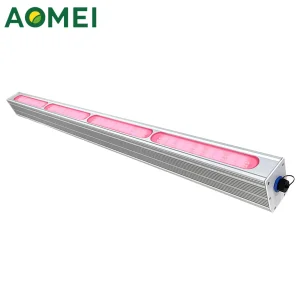
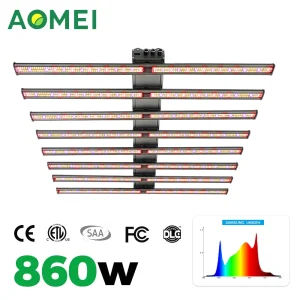
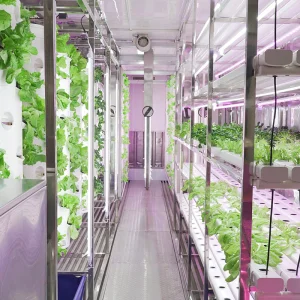
Advanced commercial greenhouse systems integrate LED lighting alongside specific companion plants. This strategy naturally attracts predatory hoverflies, eliminating the need for synthetic chemical sprays.
Phytogenic compounds, including tannin extracts and organic composts, are utilized to strengthen crop root systems. This builds natural resistance against insect damage without harming soil microbiomes.
Key developments shaping the next decade of biodiverse agriculture and bio-based manufacturing.
The global botanical extraction and planting industry is undergoing a structural shift driven by climate regulations and green consumer preferences. We observe three dominant trends:
Technical answers to common questions about our products, extraction processes, and environmental compliance.
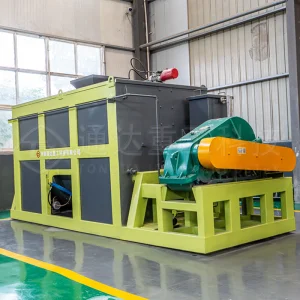
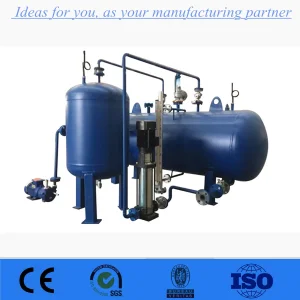
Explore our complete range of high-efficiency processing machines, eco-friendly lifestyle goods, and prefabricated agricultural structures.
 Sativa Plant