Sativa Plant
1 / 5
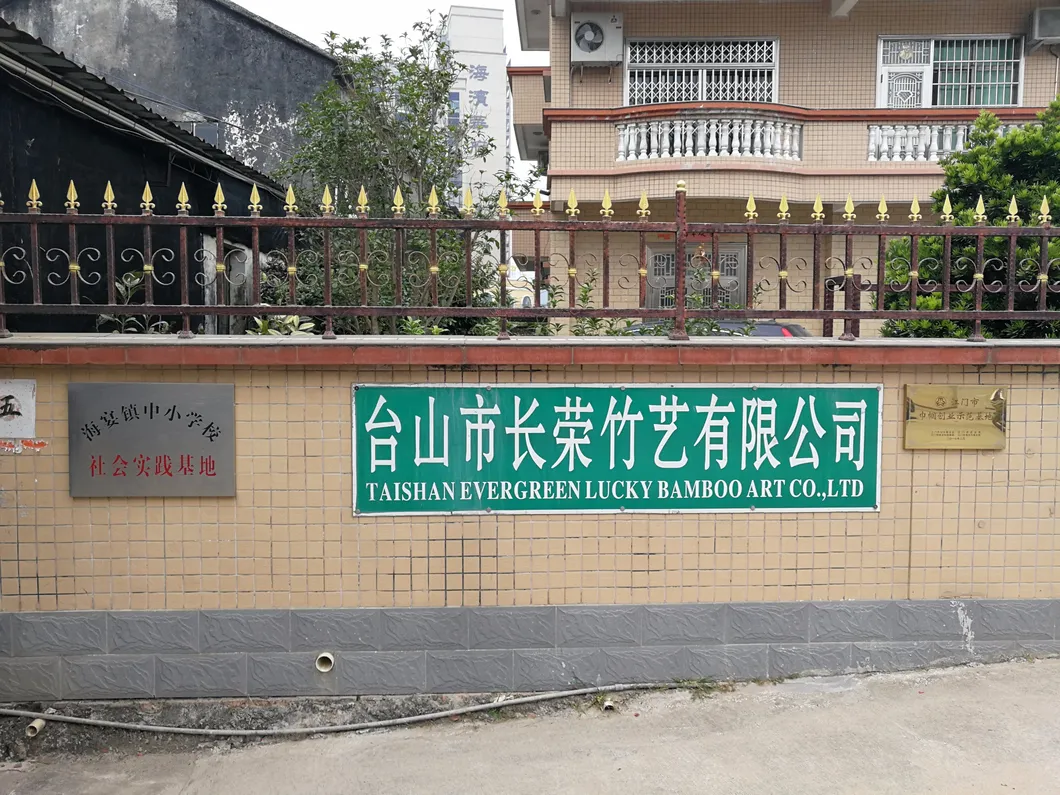
Since 2003, our focus has been on providing high-quality ornamental plants. As a professional exporter integrating plantation, development, processing, and sales, we utilize large-scale planting bases equipped with advanced sunshades and finished product processing facilities.
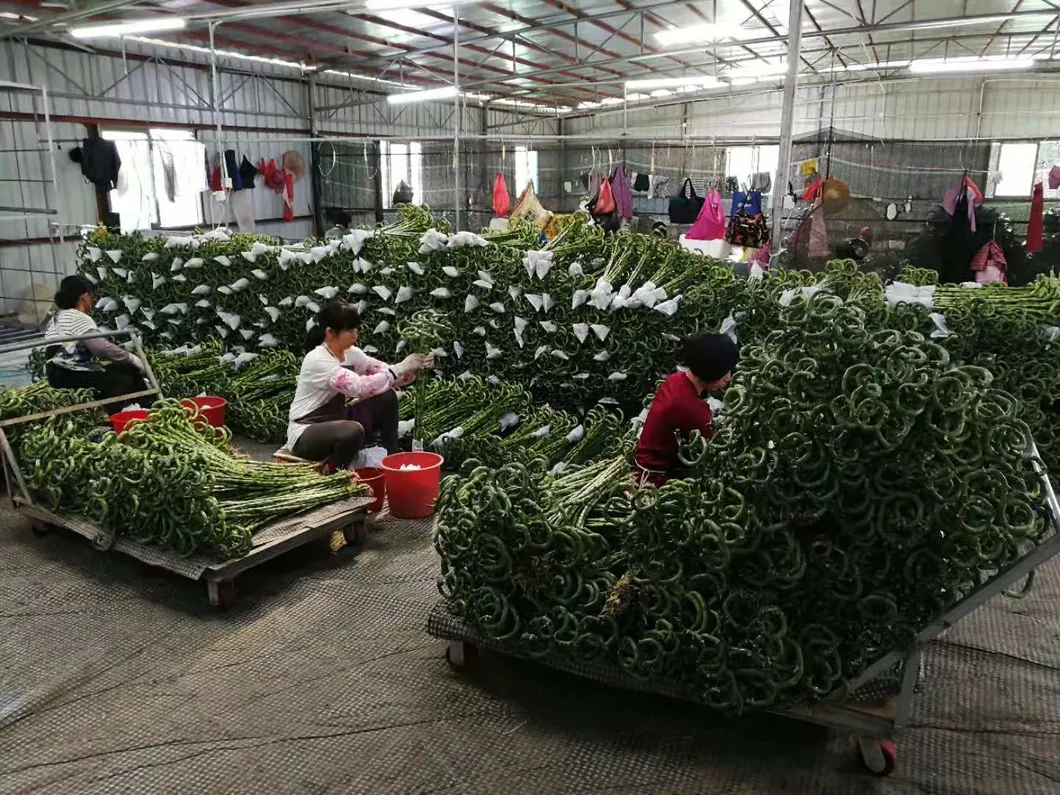
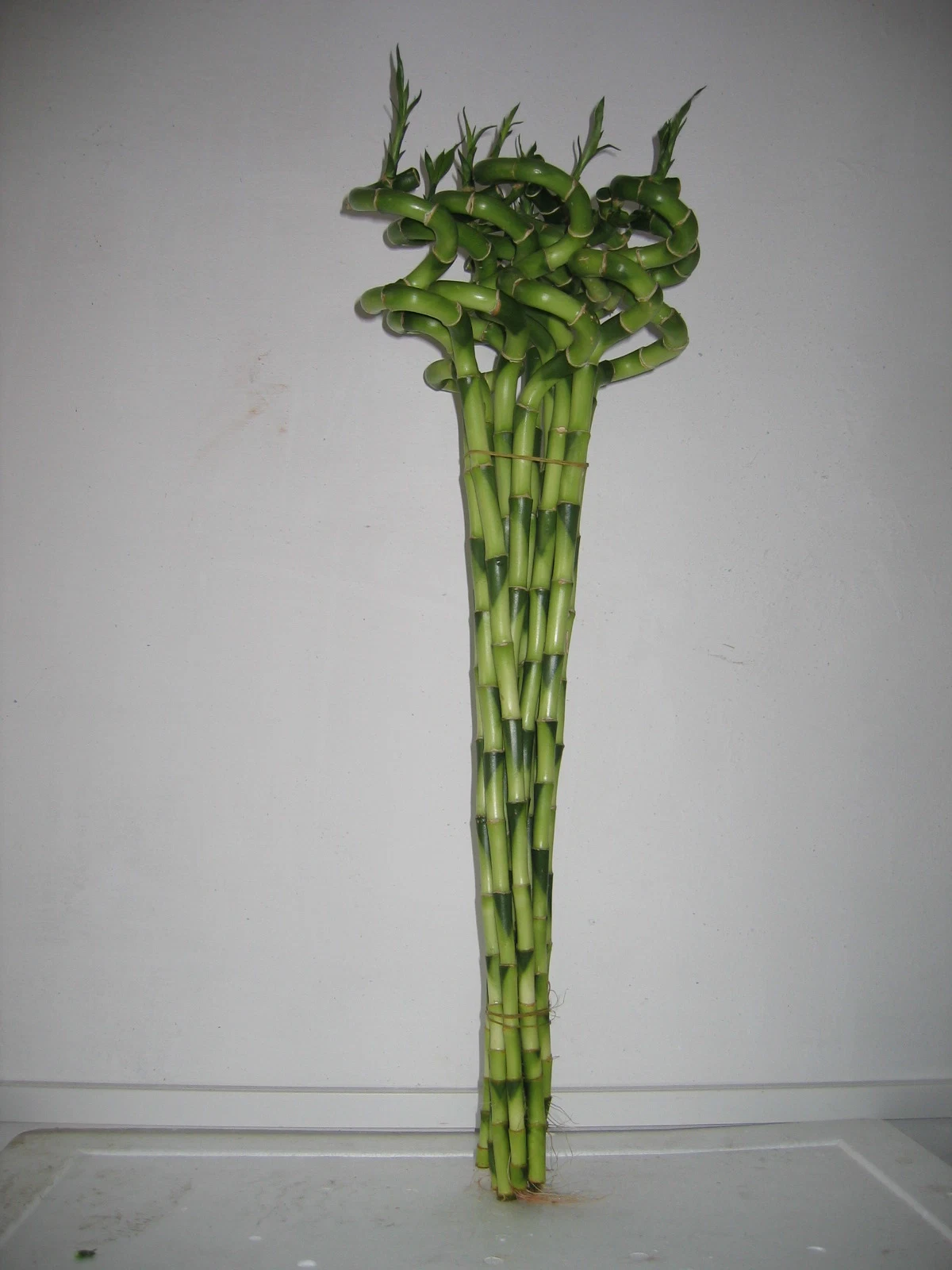
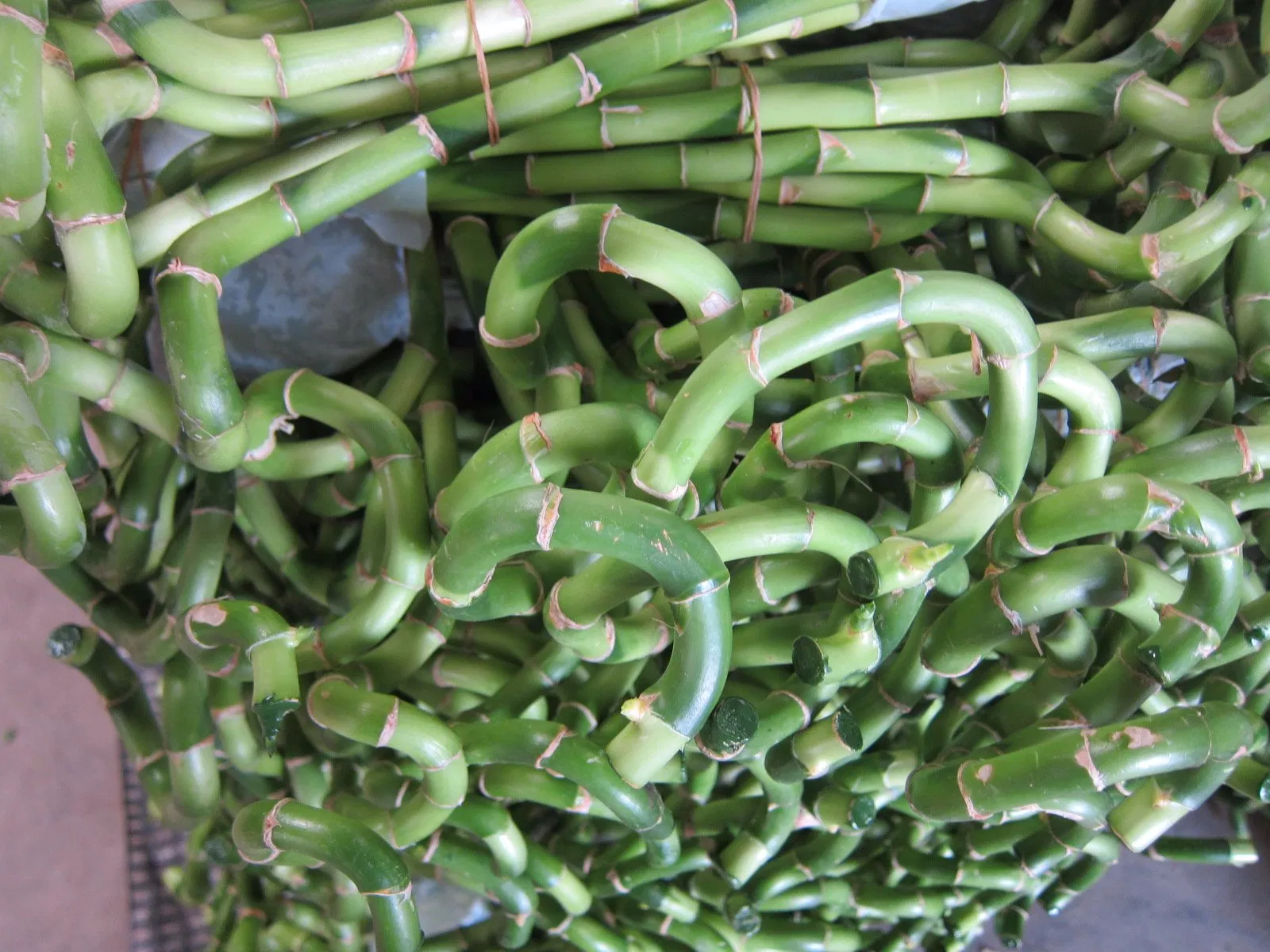
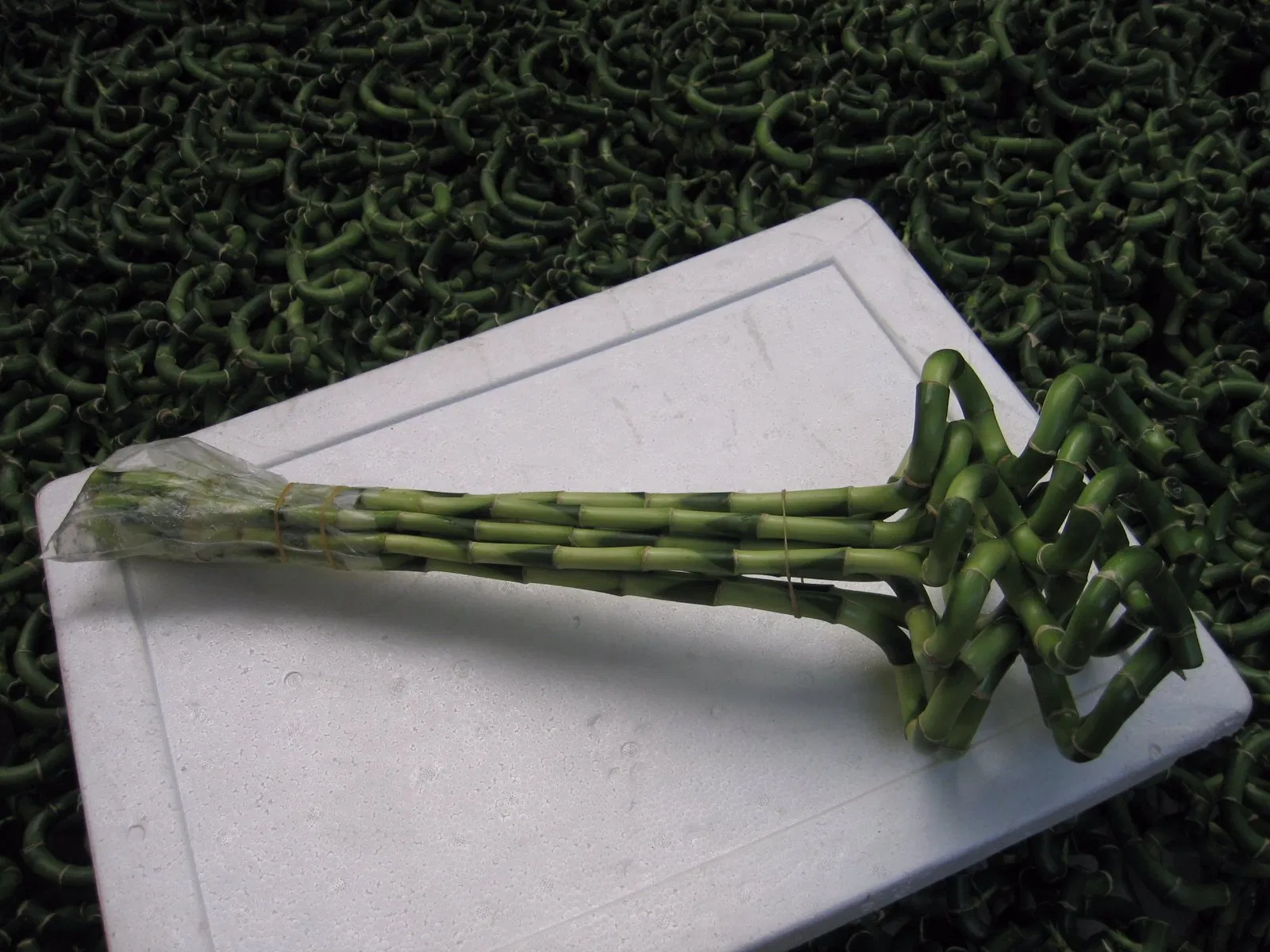
Currently, with a monthly production capacity of 2.5 million shoots, our facility has become a significant maker and exporter of lucky bamboo. Due to specific climate requirements, lucky bamboo can only grow in select areas. We specialize in the invention and production of spiral lucky bamboo, alongside tower, straight, lotus, and other braided varieties, offering over 20 shapes and hundreds of specifications.
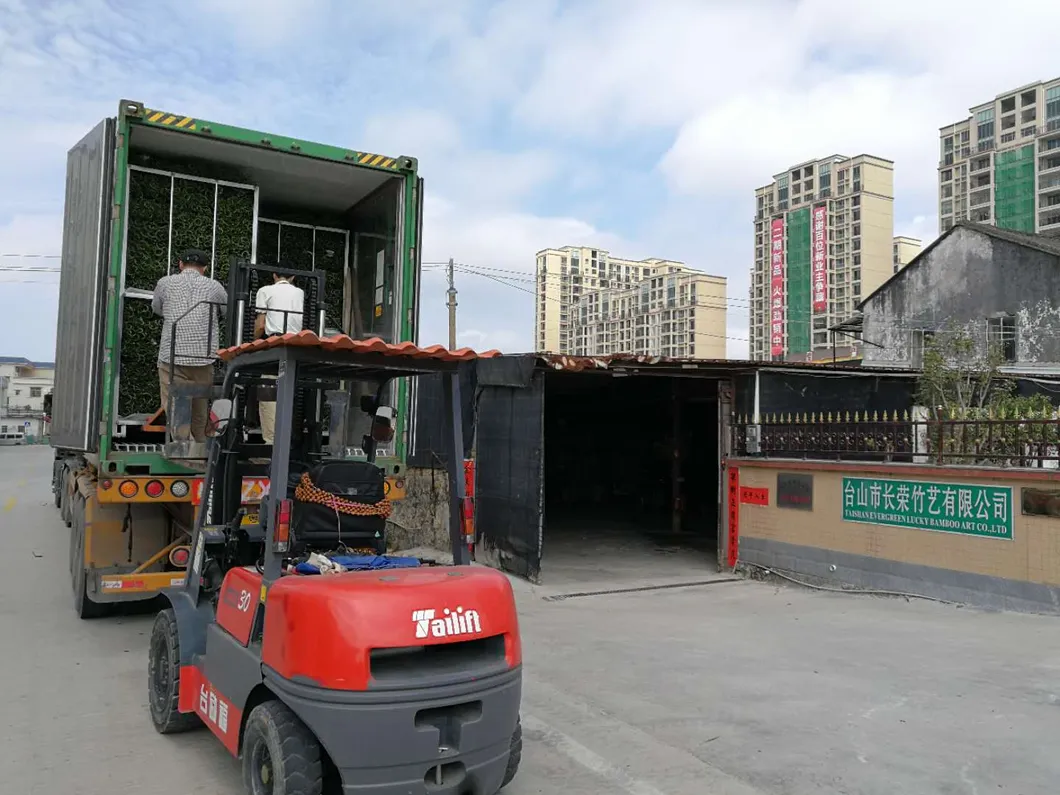
All products meet strict export inspection and quarantine standards. As a designated export base, we supply products to 27 countries and regions across Europe, North America, South America, the Middle East, Australia, and Southeast Asia. Our export volume continues to grow through cooperation with major global clients.
Our business follows the "company + base + households + standardization" model. We manage over 200,000 square meters of sunshade planting bases and maintain contracts with hundreds of rural households for an additional 950,000 square meters of farmland to ensure a stable supply of high-quality primary products.
After entering the factory, the primitive Lucky Bamboos needs to remove their leaves immediately.
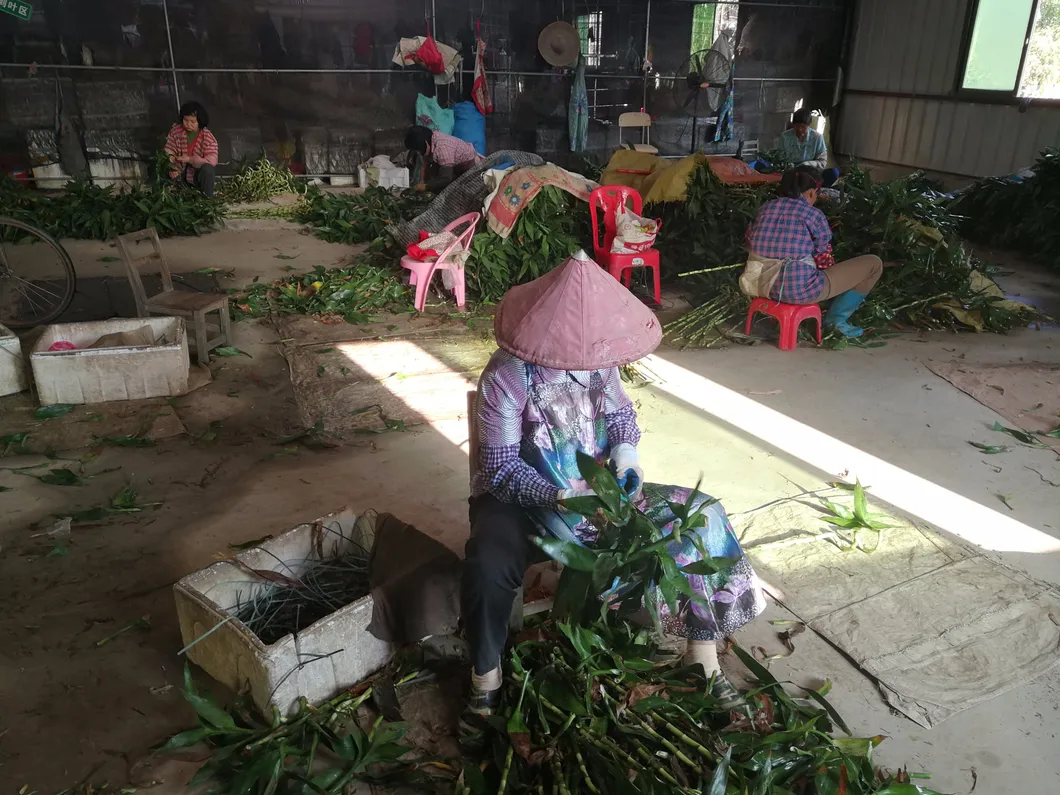
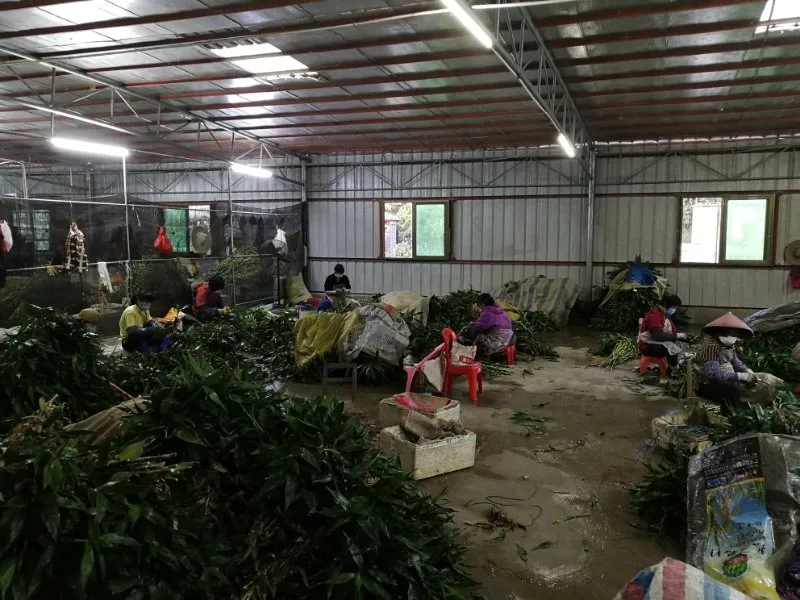
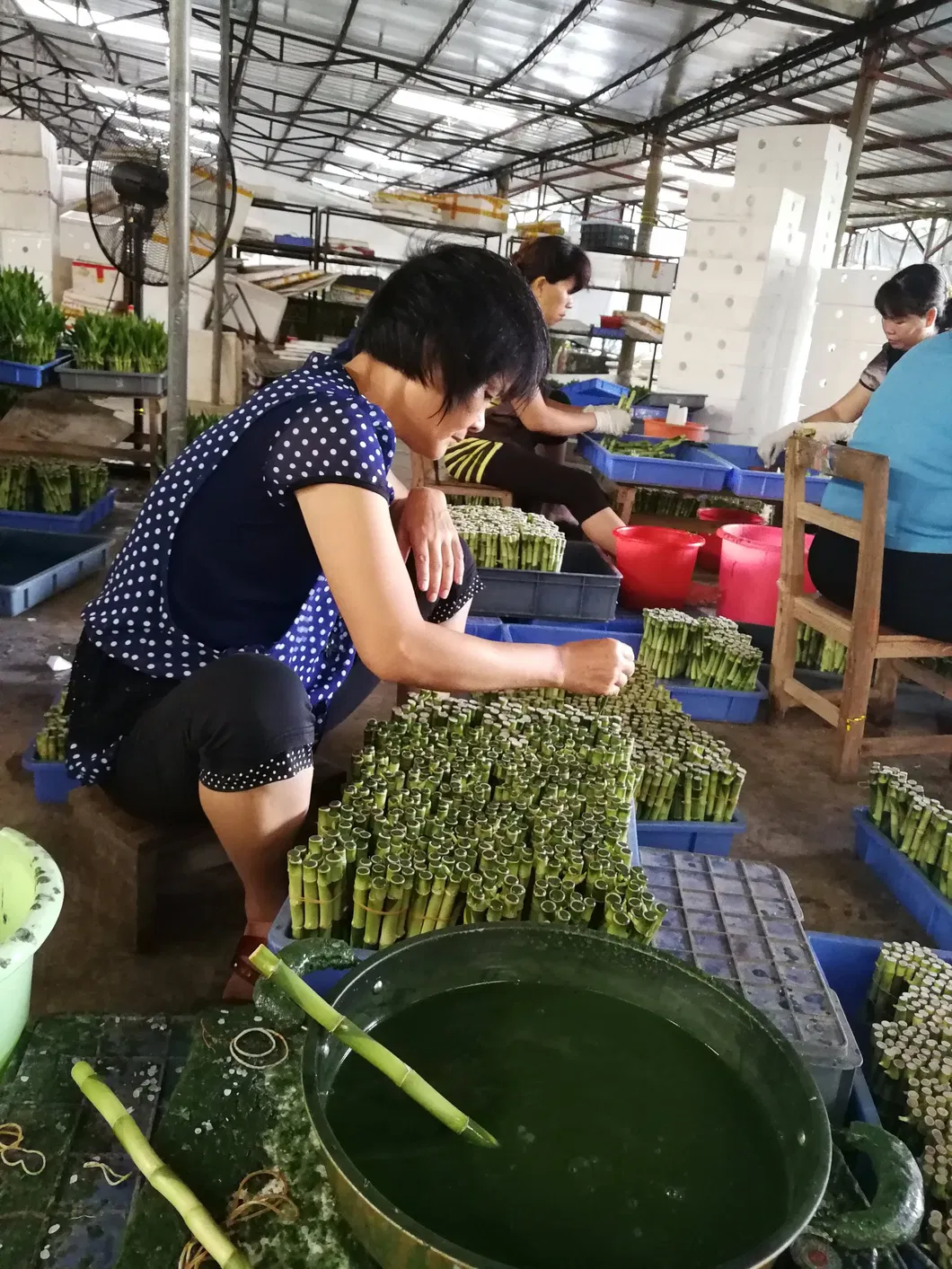
Use clean tap water to clean the stripped Lucky Bamboo stems to ensure their cleanness.
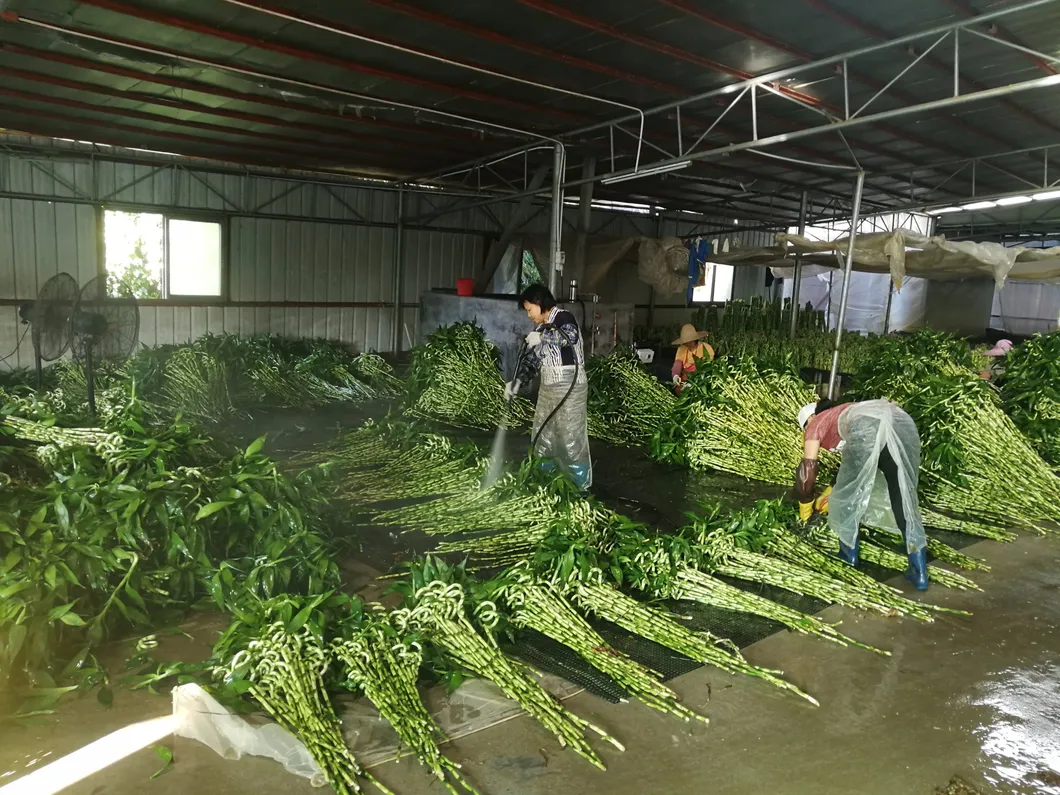
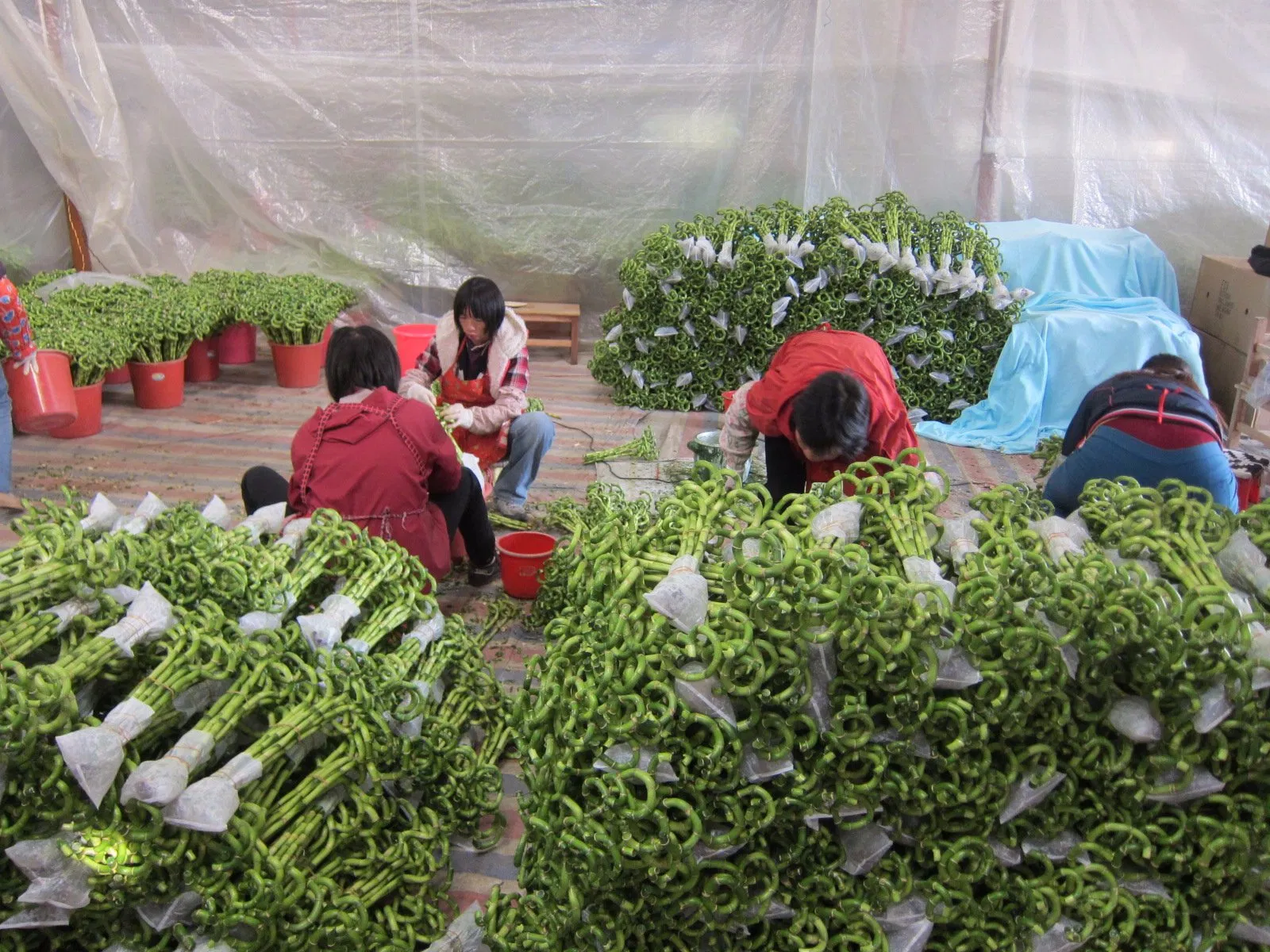
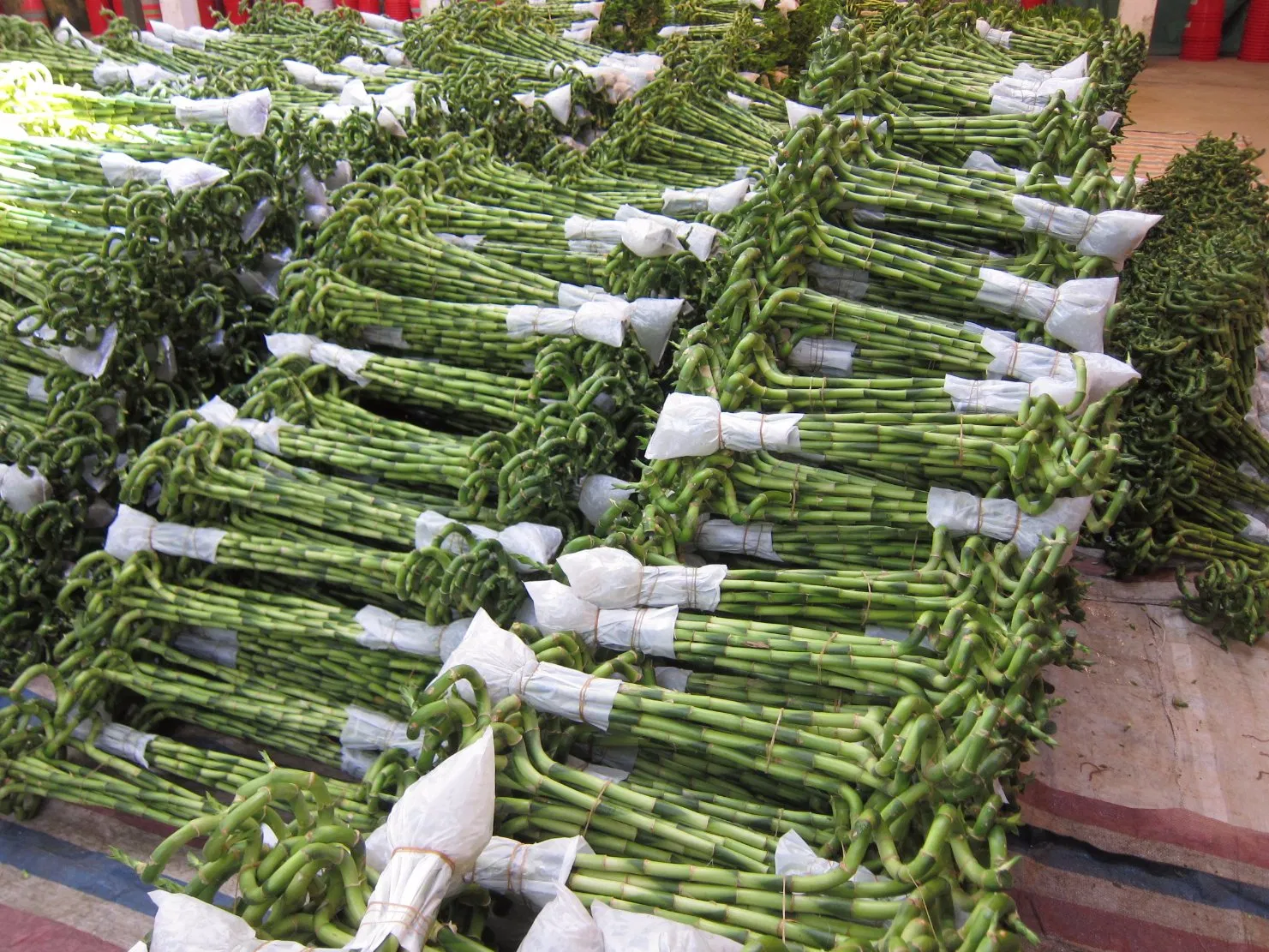
Bamboos are cut with sharp scissors to the required length. Cuts are smooth, and products are sorted into bundles of 10 shoots while eliminating defective items.
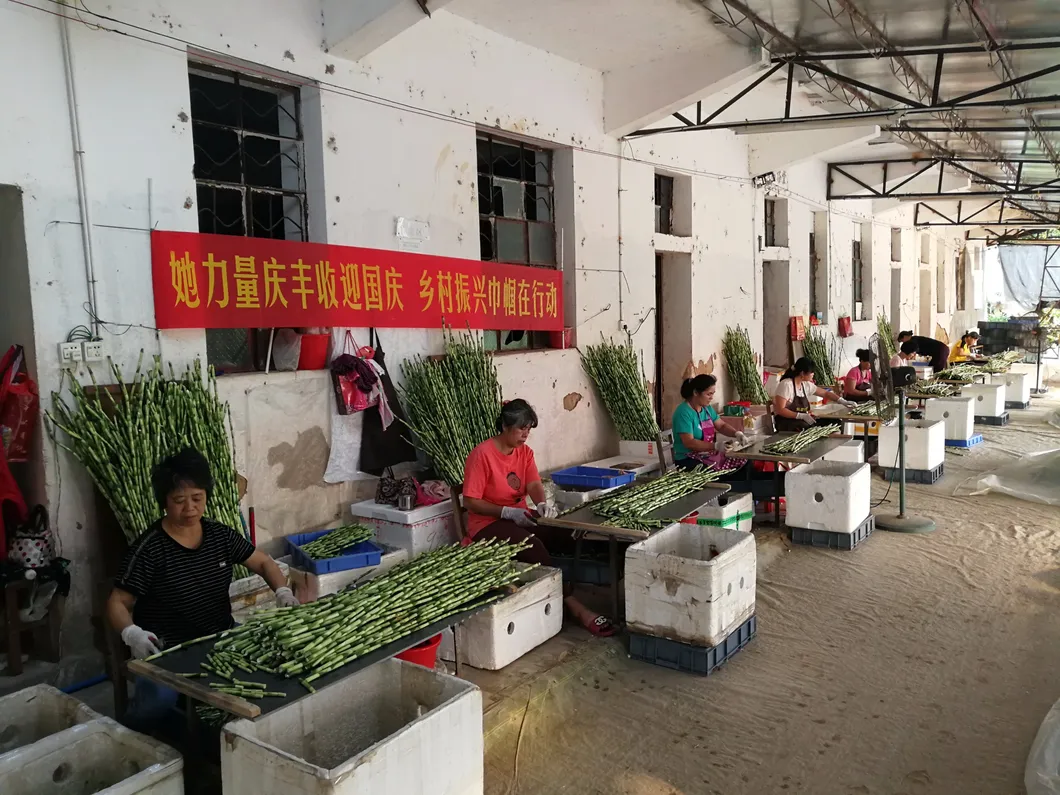
Strict drug disinfection, sterilization, and mildew removal are carried out to maintain bamboo vitality and improve quality.
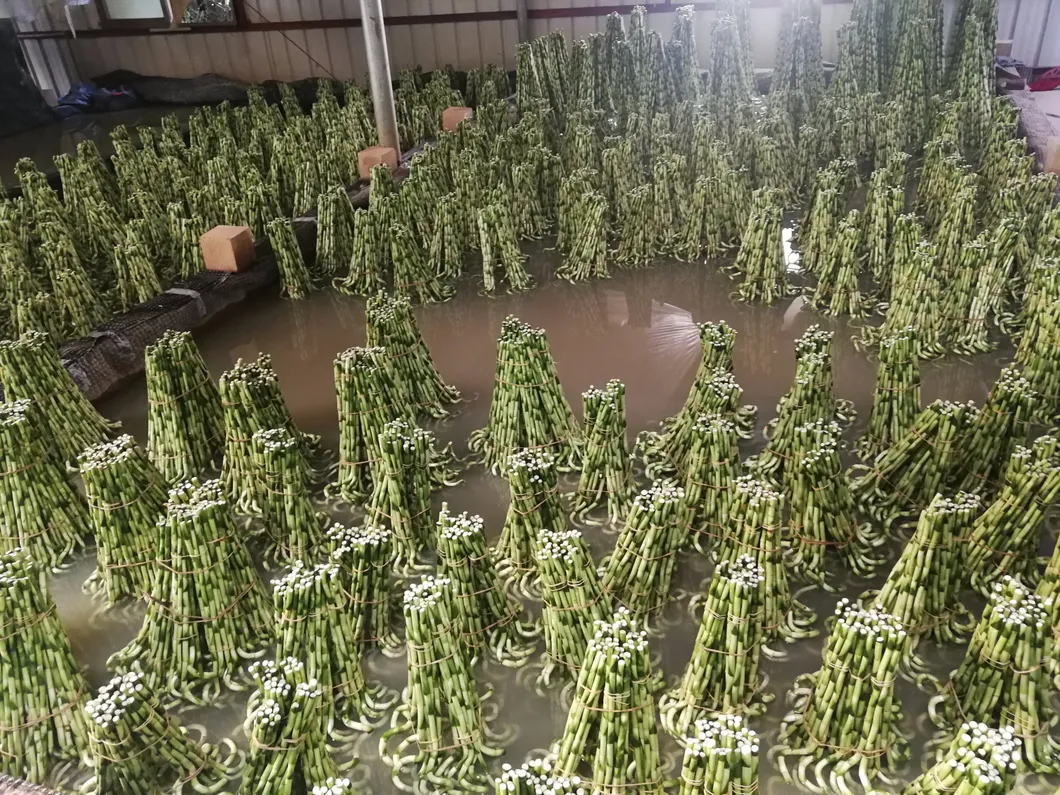
Disinfected bundles are placed on soft foam mats to air dry, preventing mildew caused by dampness.
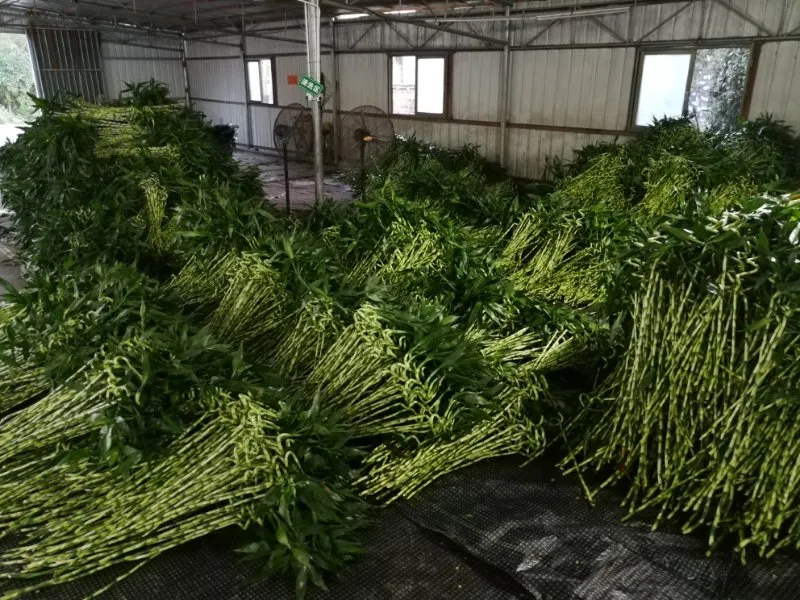
Bamboo bundles are placed in greenhouse plastic buckets for sprouting and rooting with controlled temperature, humidity, and ventilation.
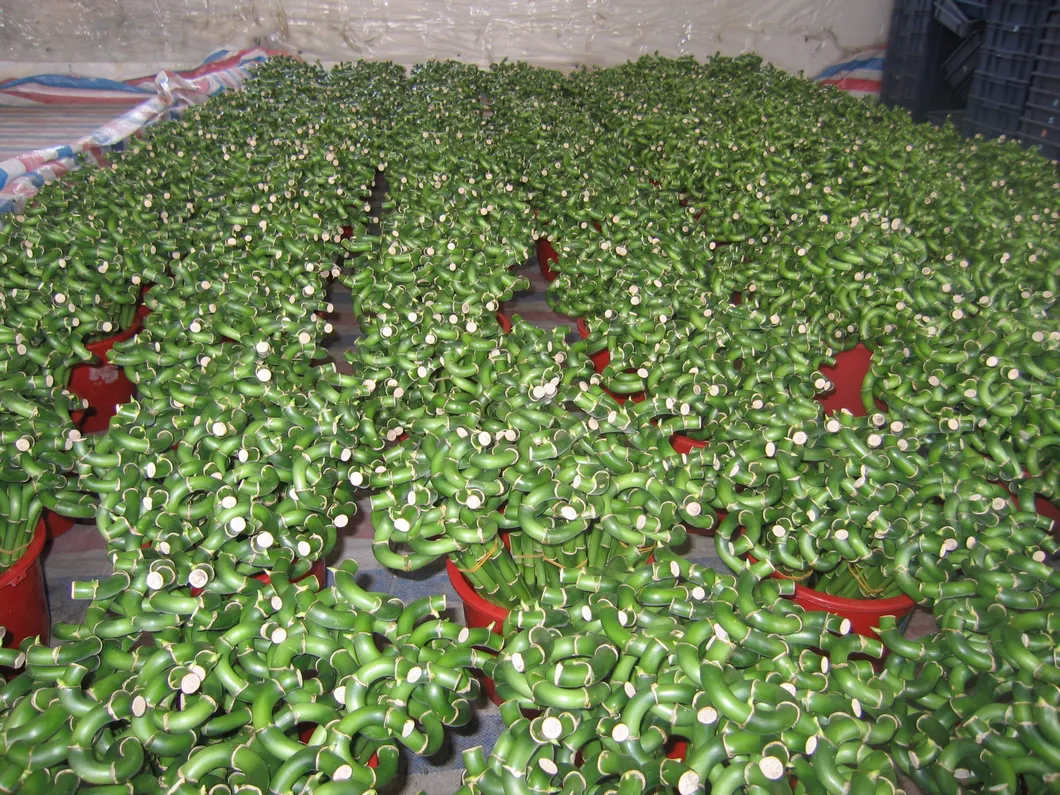
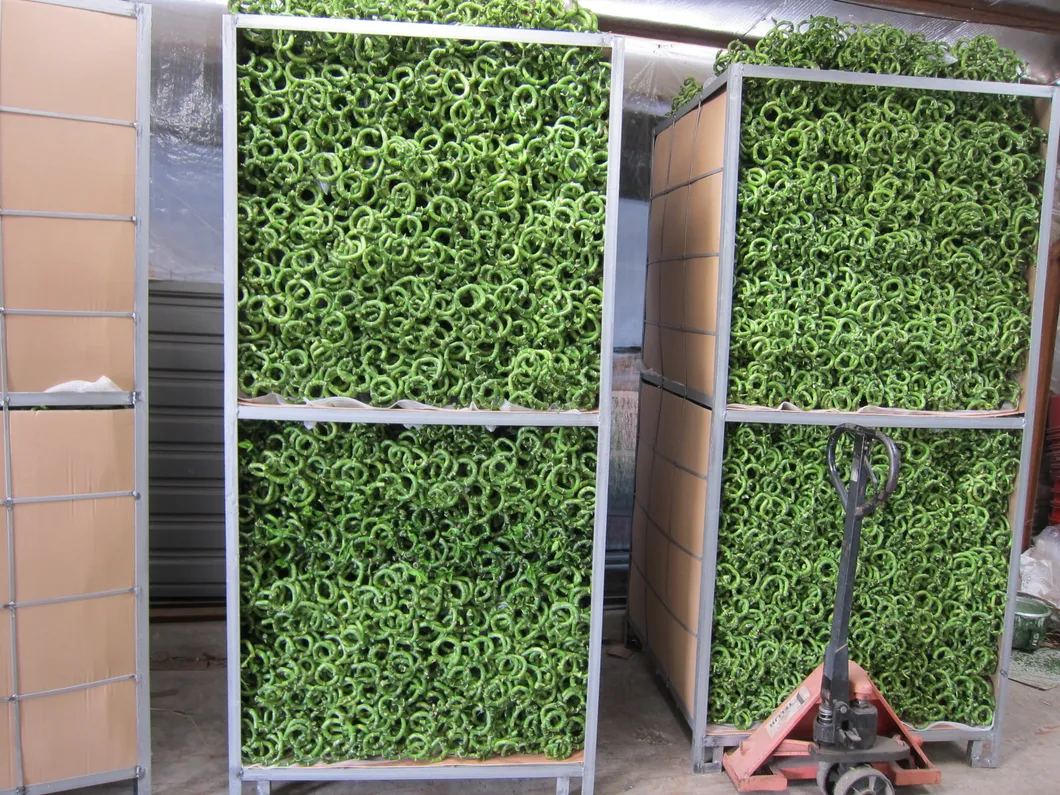
Cuts are sealed with food-grade wax. Roots are covered with plastic bags containing crystal mud and packed securely into boxes.