The global beneficial insects market is undergoing a seismic shift. As the world transitions away from chemical pesticides due to environmental regulations and the rising demand for organic produce, the role of a Beneficial Insects Factory has become critical. Today, biological control is not just a niche practice; it is a multi-billion dollar industry driving sustainable farming from North America to Southeast Asia.
Market Value
Annual Growth Rate
Countries Served
Eco-Friendly
Commercial insectaries now leverage AI-driven climate control and automated sorting to produce billions of predatory mites, ladybugs, and parasitic wasps. These "living pesticides" are essential for Integrated Pest Management (IPM), offering a localized, self-sustaining solution for greenhouse growers and industrial-scale farmers alike.
The quintessential aphid hunter. A single ladybug can consume up to 5,000 aphids during its lifetime. Top factories focus on the Hippodamia convergens species, ensuring high survival rates during shipping.
Known as "Aphid Lions," their larvae are voracious predators of thrips, mealybugs, and scale insects. They are a staple for greenhouse suppliers due to their versatility.
The primary weapon against whiteflies. These tiny wasps lay eggs inside whitefly larvae, stopping the pest cycle before it damages crops like tomatoes or peppers.
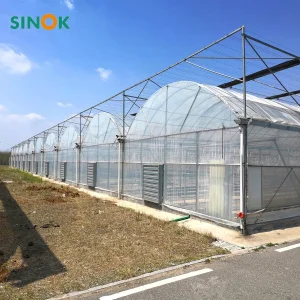
To maximize the efficacy of beneficial insects, a controlled environment is paramount. Our Multi-Span Agricultural Greenhouse systems provide the perfect micro-climate for both crops and their biological protectors.
A generalist predator perfect for larger garden pests. Their egg cases (oothecae) are popular wholesale items for garden centers.
Crucial for controlling spider mites. These mites are faster than their prey and are widely used in strawberry and ornamental plant production.
Dual-purpose insects. The adults are excellent pollinators, while the larvae are efficient aphid predators.
Highly effective against thrips. One of the few predators that will feed on pollen when prey is scarce, making them ideal for preventative release.
Microscopic organisms that live in the soil and attack root-damaging pests like fungus gnats, grubs, and weevils.
Soil-dwelling predators that target fungus gnats and shore flies. Essential for nursery and hydroponic suppliers.
Nighttime hunters that manage slugs, snails, and caterpillars in field crops.

Global procurement managers are no longer just looking for "bugs in a box." They demand Biological Synergies. This involves combining insects with specialized plant extracts and bio-stimulants to enhance crop resilience.
Key Sourcing Trends:
As a leading name in natural extraction and biological support, we leverage China's vast industrial infrastructure to provide world-class solutions. While many suppliers focus solely on the insects, we focus on the Health of the Ecosystem.
Advanced labs for plant-derived compounds like Tannin and Gallic Acid.
Advanced AEO Certification from Customs ensures fast, reliable shipping.
ISO9001, ISO14001, and HACCP certified production lines.
Transforming natural plant materials into high-value functional ingredients.
Since its establishment, Hangzhou Brew Plant Co., Ltd. has adhered to the development philosophy of “From Plants, Research for Health.” Rooted in the field of natural plant extraction, the company focuses on the intensive processing and deep development of plant-based raw materials. With gallnut, Siraitia grosvenorii (monk fruit), turmeric, bitter orange, and Sophora japonica as its core resources, the company has established a stable supply chain and advanced production technology to transform natural plant materials into high-value functional ingredients.

The company’s main products include tannin, gallic acid, propyl gallate, mogroside (siraitin), curcumin, hesperidin, rutin, and other plant-derived compounds. These products are widely used in many industries such as pharmaceuticals, food and beverages, animal feed, textile processing, printing and dyeing, metallurgy, new materials, aerospace, and microelectronics. With reliable quality and competitive supply capability, the products are exported in large quantities to the United States, the European Union, Japan, Southeast Asia, and other international markets.
Guided by innovation and quality, Hangzhou Brew Plant Co., Ltd. continuously strengthens its research and development capabilities, production technology, and quality management systems. The company integrates modern extraction technology, purification processes, and strict quality control standards to ensure that every product meets international requirements and customer expectations.
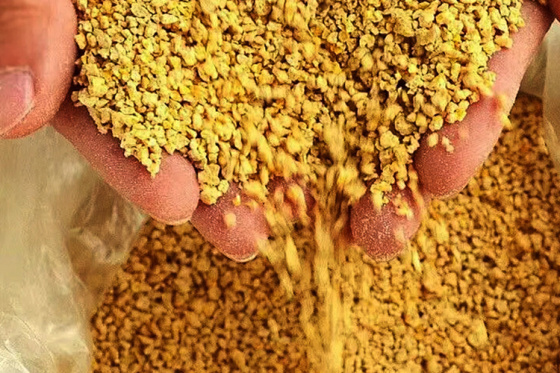
With advanced technical strength, stable production capacity, and consistent product quality, the company provides reliable functional ingredient solutions for industries such as food, pharmaceuticals, animal nutrition, and electronic materials. Through long-term cooperation with global partners, the company is committed to delivering efficient, safe, and sustainable plant-based solutions to customers worldwide.
To ensure high standards in management and product safety, the company has obtained a series of international certifications, including ISO9001, ISO14001, ISO22000, ISO45001, and ISO56005. In addition, the company is registered with HACCP, FAMI-QS, HALAL, KOSHER, and REACH, demonstrating its commitment to global regulatory compliance and food safety standards. It is also an enterprise that has obtained Advanced AEO Certification from Customs, reflecting its credibility and excellence in international trade operations.
From urban gardens to vast agricultural expanses, the application of beneficial insects must be tailored to the environment. Our team provides consulting for:
Looking toward the future, Hangzhou Brew Plant Co., Ltd. will continue to uphold its philosophy of innovation, sustainability, and health-oriented development, further expanding its plant extraction technologies and product applications. By combining natural resources with modern science, the company aims to create greater value for customers and contribute to the global development of natural, healthy, and sustainable industries.
 Sativa Plant