Explore our premium select systems designed to bridge the gap between academic horticulture, residential green setups, and smart municipal cultivation.
An authoritative whitepaper addressing market drivers, supply chain configurations, and technology integration in contemporary green STEM studies.
Garden-based workshops are no longer confined to elementary soil sowing. Today’s programs merge biology, technology, engineering, art, and math (STEAM). Educational centers are constructing sophisticated greenhouse laboratories, requiring advanced tools that simulate real-world commercial farming. This includes modular high-efficacy vertical hydroponics, smart environmental controllers, and localized bio-synthetic research setups.
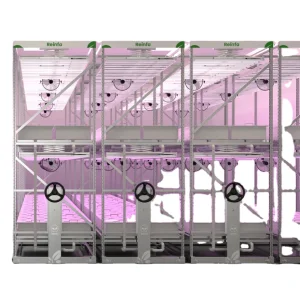
By using precision apparatuses—such as aeroponic farmboxes and full-spectrum LED lighting—students gain direct insights into controlled environment agriculture (CEA). This foundational training helps them understand resource management, photosynthetic optimization, and cellular botanical synthesis.
Corporate campuses and residential complexes are increasingly offering hands-on planting workshops to achieve environmental social governance (ESG) targets. The therapeutic benefit of horticulture—often referred to as 'green mindfulness'—drives the acquisition of high-end, scalable planting materials. This commercial integration generates steady B2B demand for customizable, long-lasting products, from structural aluminum frames for rooftop setups to specialized food-grade materials for planting systems.
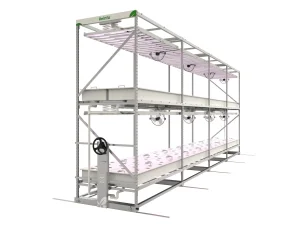
Space optimization is a key issue for metropolitan schools and high-density communities. Modern solutions emphasize vertical and modular construction. Self-watering configurations and compact aeroponic boxes make it easy to set up productive garden classrooms in small spaces like hallways, rooftops, or concrete plazas.
These modular solutions also resolve water conservation challenges. Closed-loop drainage structures cut water usage by up to 90% compared to traditional field methods. This makes them ideal tools for demonstrating resource efficiency in municipal education workshops.
Unlocking supply chain integration, precision engineering, and cost-effective scalability for international distributors.
Our manufacturing centers tap into highly integrated local supply networks. We manufacture metal supports, high-tech components, raw botanical compounds, and high-performance polymers in nearby industrial zones. This proximity minimizes raw material transport delays and reduces overhead costs.
China's leading exporters implement strict global quality protocols. Backed by ISO9001 and ISO14001 certifications, factories maintain comprehensive trace logs. This ensures clean production runs and guarantees structural reliability for overseas projects.
Equipped with advanced molding systems, robotic metal cutting, and dynamic chemical production tools, our factories transition designs from concept to test-ready status in days. This capability is vital for custom institutional workshops requiring custom-branded components.
How institutions integrate modern agricultural workshops and planting technologies in diverse geographic contexts.
Educational institutions are converting indoor common areas and outdoor courtyards into biology learning stations. Through modular self-watering boxes, students learn how root structures draw moisture and nutrients. By using miniature aeroponic configurations, classrooms can run side-by-side growth tests. These experiments show how high-efficiency root aerating techniques accelerate crop development compared to traditional dry soil methods.
Higher education programs and pharmaceutical laboratories require absolute control over environmental variables to accurately study secondary metabolites. Using multi-tier vertical farming arrays paired with calibrated, full-spectrum LED lighting systems, researchers can replicate exact geographic light levels. This control helps isolate complex active botanical molecules like curcumin, hesperidin, and various plant tannins.
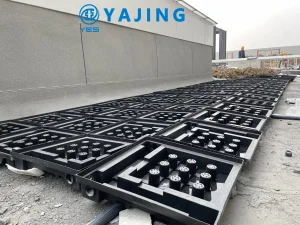
Community programs rely on rugged, weather-resistant materials to run garden classes on asphalt surfaces or old industrial yards. Prefabricated aluminum mounting tracks and heavy-duty, self-watering planters protect soil from urban dirt contaminants. This creates a clean growing environment, encouraging residents to learn about metropolitan organic food production.
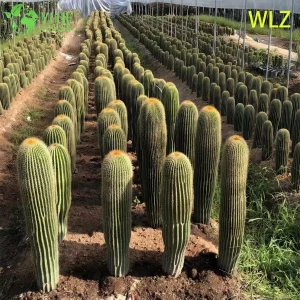
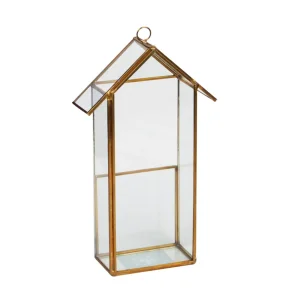
Modern businesses use interactive gardening projects to build teamwork and support employee wellness. Setting up modular indoor terrariums, cactus displays, and aesthetic green walls creates natural gathering areas. These spaces serve as live showcases for plant-based water recycling, waste reduction, and organic composting.
Bridging natural extraction processes, green biotechnology research, and reliable international supply networks.
Since its establishment, Hangzhou Sativa Plant Co., Ltd. has adhered to the development philosophy of “From Plants, Research for Health.” Rooted in the field of natural plant extraction, the company focuses on the intensive processing and deep development of plant-based raw materials. With gallnut, Siraitia grosvenorii (monk fruit), turmeric, bitter orange, and Sophora japonica as its core resources, the company has established a stable supply chain and advanced production technology to transform natural plant materials into high-value functional ingredients.

The company’s main products include tannin, gallic acid, propyl gallate, mogroside (siraitin), curcumin, hesperidin, rutin, and other plant-derived compounds. These products are widely used in many industries such as pharmaceuticals, food and beverages, animal feed, textile processing, printing and dyeing, metallurgy, new materials, aerospace, and microelectronics. With reliable quality and competitive supply capability, the products are exported in large quantities to the United States, the European Union, Japan, Southeast Asia, and other international markets.
Guided by innovation and quality, Hangzhou Sativa Plant Co., Ltd. continuously strengthens its research and development capabilities, production technology, and quality management systems. The company integrates modern extraction technology, purification processes, and strict quality control standards to ensure that every product meets international requirements and customer expectations.

With advanced technical strength, stable production capacity, and consistent product quality, the company provides reliable functional ingredient solutions for industries such as food, pharmaceuticals, animal nutrition, and electronic materials. Through long-term cooperation with global partners, the company is committed to delivering efficient, safe, and sustainable plant-based solutions to customers worldwide.
To ensure high standards in management and product safety, the company has obtained a series of international certifications, including ISO9001, ISO14001, ISO22000, ISO45001, and ISO56005. In addition, the company is registered with HACCP, FAMI-QS, HALAL, KOSHER, and REACH, demonstrating its commitment to global regulatory compliance and food safety standards. It is also an enterprise that has obtained Advanced AEO Certification from Customs, reflecting its credibility and excellence in international trade operations.
Looking toward the future, Hangzhou Sativa Plant Co., Ltd. will continue to uphold its philosophy of innovation, sustainability, and health-oriented development, further expanding its plant extraction technologies and product applications. By combining natural resources with modern science, the company aims to create greater value for customers and contribute to the global development of natural, healthy, and sustainable industries.
Crucial quality checkpoints for B2B buyers importing botanical kits, organic agricultural inputs, and classroom garden hardware.
For educational setups, planting materials must be certified food-grade and free of BPA. Silicone, plastic polymers, and metal coatings must comply with FDA and REACH rules to prevent toxic leaching under long-term UV exposure.
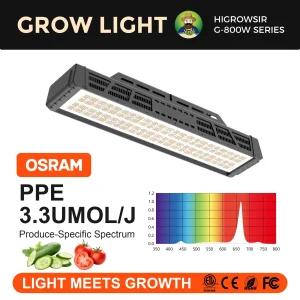
Controlled environment agricultural products (like 800W plant lights) require CE, UL, and RoHS certificates. High IP65 ingress protection is mandatory to shield components from dust and direct moisture in humid greenhouses.
Exporters holding Authorized Economic Operator (AEO) status bypass complex customs inspections. This speeds up international shipping and ensures timely delivery of sensitive botanical supplies or project materials.
Critical operational answers regarding customized configurations, compliance standards, and order processing.
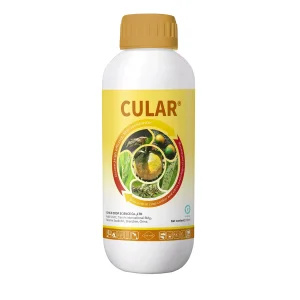
Premium components, high-efficacy light arrays, organic bio-nutrients, and glass terrariums supporting advanced workshops.
 Sativa Plant