Explore our highly integrated systems designed for modern residential, commercial, and laboratory ecological configurations.


Glassware Hangable Terrarium Planter Succulents Flower Pot Home Decor
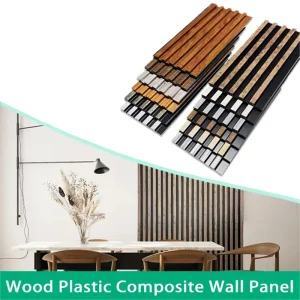
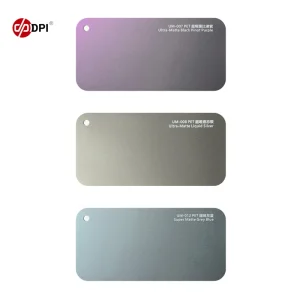
Multiple Color Factory Price 3D PS Wall Cladding Interior Designs for Distribution
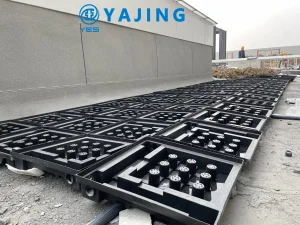
Self Watering Box for Rooftop Gardens and Urban Farming Solutions
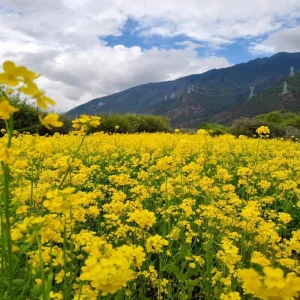
Brassica Capestris Seeds Ornamental Edible Rapeseed Seeds Cold Drought Tolerant
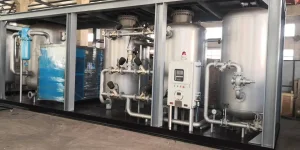
Versatile Nitrogen Plant for Laser Cutting and Food Preservation

Home Automation Compatible Smart Outdoor Shading Solution Awning
Combining modern phytochemistry with high-performance ecological engineering for international agricultural standards.
Since its establishment, Hangzhou Sativa Plant Co., Ltd. has adhered to the core development philosophy of "From Plants, Research for Health." Rooted deeply in the field of natural plant extraction and eco-agricultural development, the company focuses on the intensive processing and deep optimization of plant-based raw materials and biological growth mediums. With gallnut, Siraitia grosvenorii (monk fruit), turmeric, bitter orange, and Sophora japonica as its primary resources, the company has established a stable supply chain and advanced production technologies to transform raw botanical elements into high-value functional compounds and agricultural catalysts.
Our industrial solutions include the production of tannin, gallic acid, propyl gallate, mogroside, curcumin, hesperidin, and rutin. These plant-derived compounds are widely utilized in pharmaceuticals, animal feed additives, textile processing, new materials, and microelectronics. By integrating biological plant science with agricultural systems, we supply the key biological stimulants required for high-yield soil-less cultivation and biological water filtration systems.
Driven by science and strict regulatory adherence, our quality control ensures that all exported systems and biological products meet strict international standards. Through extensive R&D, we offer tailored solutions to clients across the United States, the European Union, Japan, and Southeast Asia, guaranteeing environmental stability and commercial reliability.


An in-depth look into the closed-loop ecological design that marries aquaculture and hydroponic plant production.
Aquaponics is a highly efficient, closed-loop food production method that integrates aquaculture (raising aquatic animals) with hydroponics (cultivating plants in water) in a symbiotic environment. In traditional aquaculture, toxic animal waste products accumulate, requiring constant water replacement. In an aquaponic system, these nutrient-rich effluents are channeled to the plant root zones, where beneficial nitrifying bacteria convert ammonia first into nitrites, and then into nitrates. Plants absorb these nitrates as their primary nutrient source, effectively purifying the water before it is pumped back into the aquaculture tanks.
NFT systems continuously circulate a shallow stream of nutrient-dense water directly over plant roots through narrow gulleys. This technique is highly suited for fast-growing leafy greens, minimizing water volume while maximizing root exposure to atmospheric oxygen.
DWC utilizes floating rafts that suspend plant roots directly into deep, aerated water channels. This method provides thermal stability and is ideal for commercial scale operations growing lettuce, herbs, and larger fruiting varieties.
Utilizing expanded clay or gravel, media beds act as both physical support for plant roots and a biological filter. Through flood-and-drain cycles (using auto-siphons), this system optimizes microbial activity and mineralizes organic solids.
Designed for urban farms and space-constrained facilities, vertical towers stack plants vertically, using gravity to cascade nutrient water downwards. This configuration maximizes yield per square meter and optimizes artificial lighting.
Leveraging Hangzhou Sativa's biological extract expertise to stabilize micro-ecosystems and enhance nutrient uptake.
Maintaining biological balance in aquaponics is highly complex because it requires managing three distinct organisms simultaneously: aquatic animals, nitrifying bacteria, and plants. Traditional chemicals cannot be used to treat plant pathogens or fish diseases because they disrupt the bio-filter or harm the aquatic species. This is where Hangzhou Sativa Plant Co., Ltd. bridges the gap.
Our advanced research in plant extracts provides critical tools for modern aquaponic health management. For example, natural plant tannins and gallic acid derivatives act as natural biocides and antioxidants, helping to suppress opportunistic pathogens in aquaculture tanks without harming nitrifying bio-filters. Botanical active ingredients like curcumin and hesperidin function as natural immune stimulants for aquatic species, promoting resilient fish stocks that produce consistent nutrient flows.
Furthermore, the application of organic bio-stimulants derived from botanical extraction aids in micro-nutrient chelation. In many aquaponic systems, plants suffer from iron, potassium, and magnesium deficiencies because fish feed alone does not supply these elements in sufficient ratios. Through the integration of safe, plant-derived chelators, growers can ensure complete nutrient availability without introducing synthetic chemical residues into the food chain.
Why sourcing aquaponic systems from Chinese industrial clusters offers unparalleled value and engineering stability.
China is home to the world's largest horticultural and injection-molded plastics industrial clusters. This ensures that every pipe, raft, grow light, and grow bed is manufactured to scale under rigorous standards, reducing raw material and processing costs.
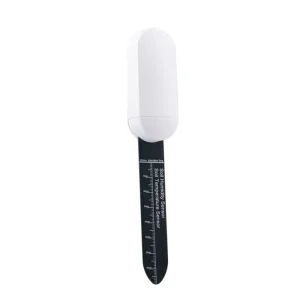
By sourcing from China, buyers benefit from the latest developments in intelligent sensor manufacturing. Automated dosing pumps, smart soil and water testers, optical sensors, and Zigbee/Tuya automated control panels are integrated natively into our systems.
We provide full design and architectural customization. Whether you require vertical aeroponic set-ups for high-density indoor herb farming or large-scale multi-loop commercial aquaponic arrays, our engineering team constructs exact blueprints matching your localized space parameters.
Our strategic location near major Chinese maritime ports simplifies international freight consolidation. We coordinate complex machinery shipments, delicate biological compounds, and electronics, lowering total landing costs for international buyers.
Mitigating cross-border regulatory risks through standardized testing, certification, and traceability.
International agricultural projects demand rigorous adherence to biological safety and mechanical standards. At Hangzhou Sativa Plant Co., Ltd., our processes are backed by comprehensive international management frameworks and certifications to guarantee seamless integration and compliance in destination countries.
We operate under certified ISO9001 (Quality Management), ISO14001 (Environmental Management), ISO22000 (Food Safety Management), ISO45001 (Occupational Health & Safety), and ISO56005 (Innovation Management) frameworks. This multi-layered standard architecture governs our hardware manufacturing and chemical extraction, guaranteeing consistent quality across all components.
For chemical and biological compound safety, we hold registrations under HACCP, FAMI-QS, HALAL, KOSHER, and EU REACH regulations. These guarantee that any microbial feed, biological pesticide, or plant nutrient formula we export meets non-toxicity and sanitary standards globally. Additionally, our status as an Advanced AEO Certification from Customs enterprise enables prioritized customs clearing, secure trade routes, and reduced transit times, ensuring that your time-sensitive agricultural systems and biological agents arrive on time and intact.
How aquaponic systems adapt to specific geographic, economic, and industrial conditions worldwide.
In regions such as the Middle East and Northern Africa, where fresh water is scarce, aquaponics reduces water consumption by up to 90% compared to traditional field farming. Evaporation is minimized through closed-loop piping, and solar-powered aeration loops sustain high crop yields in harsh environments.
By pairing vertical aquaponic towers with high-efficiency LED grow lights and climate control, urban developers transform unused warehouses and rooftops into productive food nodes. This brings food production directly into cities, eliminating heavy transportation carbon footprints.
Large-scale fish farms utilize aquaponic plant channels to manage nitrogen loading. By diverting fish waste to commercial lettuce or mint crops, farms create a secondary revenue stream while complying with local wastewater discharge environmental regulations.
Crucial operational questions answered by our engineering and biological research teams.
Explore our extended line of structural elements, biological systems, and digital garden tracking tools.
 Sativa Plant