In recent years, the rise of variegated plants has captivated gardening enthusiasts. These unique plants exhibit a stunning mix of colors, which sets them apart from traditional green varieties. But why are variegated plants more expensive than green ones? The answer lies in their rarity and cultivation challenges. Growing variegated plants often requires meticulous attention to detail and specific conditions.
The demand for variegated varieties skyrocketed due to their aesthetic appeal. Gardeners seek the beauty these plants bring to their collections. However, the production process can be labor-intensive and uncertain. Many variegated plants are mutations, making them less predictable in growth. This unpredictability adds to their allure but also their cost. As supply struggles to meet the heightened demand, prices soar.
Additionally, the ongoing trend toward unique and visually striking plants continues to influence pricing. With such value placed on these specimens, cultivators focus on quality over quantity. This can lead to a reflection on what we value in nature. Is it worth the price for beauty? Or are we overlooking the simplicity of green? These questions linger in an ever-evolving market, where taste and rarity dictate value.
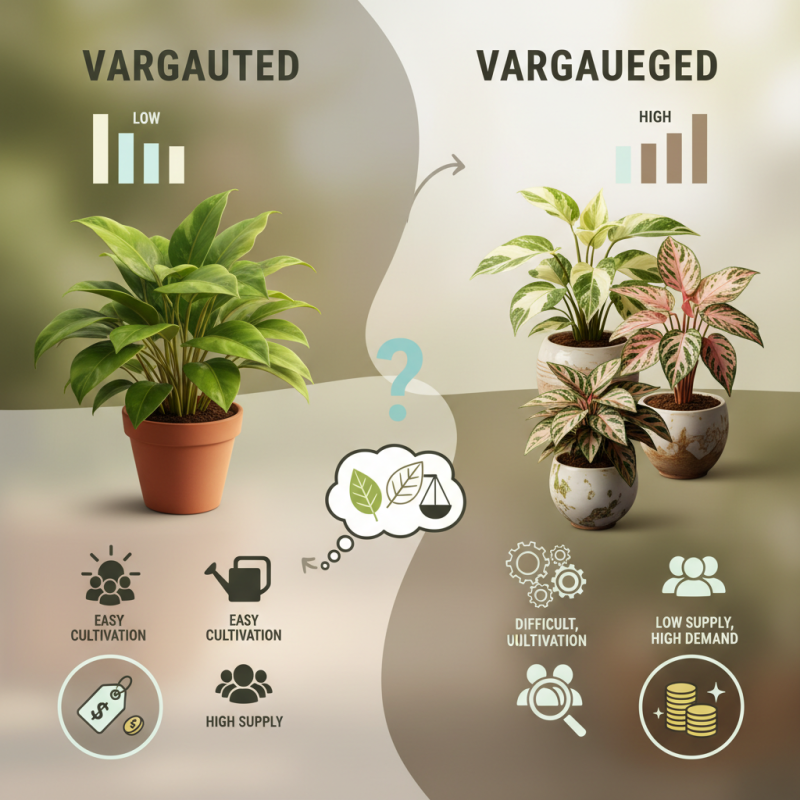
Variegated plants are becoming increasingly desirable. Their unique patterns make them rare. The rarity is a big reason for their high prices. Regular green plants are far more common. This makes variegated varieties special. They attract collectors and enthusiasts alike.
The appeal of these plants goes beyond color. People enjoy the challenge of growing them. Each plant is different, with distinct variations. This uniqueness often drives up demand. High demand leads to higher prices. Sometimes, this creates a false sense of exclusivity.
**Tips**: When seeking variegated plants, research local nurseries. Connecting with plant communities can help. Consider propagating cuttings if you have a variegated plant. It can be a rewarding experience. Just remember, several factors affect their growth. Always be prepared for potential challenges ahead.
| Plant Type | Average Price (USD) | Rarity Factor | Growth Difficulty | Market Demand |
|---|---|---|---|---|
| Variegated Monstera | $120 | High | Medium | Very High |
| Variegated Pothos | $50 | Medium | Easy | High |
| Variegated Snake Plant | $80 | High | Easy | Medium |
| Variegated Ficus | $150 | Very High | High | Very High |
| Regular Green Fern | $30 | Low | Easy | Medium |
: Variegated plants have higher prices due to their rarity and propagation challenges. Collectors value their unique patterns.
Look for specimens with vibrant colors and even leaf coloration. Uniqueness often enhances their charm despite imperfections.
Propagation methods are complex. Many growers struggle with achieving consistent variegation, leading to limited supply and higher costs.
Only about 30% of variegated cuttings thrive and maintain their pattern. This low success rate contributes to their value.
Start with healthy mother plants in ideal conditions. Stay informed about propagation techniques and be prepared for challenges.
Consider starting with cheaper green plants. They offer a sense of accomplishment and lessen financial risk while learning.
Expect some failures when growing variegated plants. Genetic variability means you may end up with more green plants.
Explore local plant shows, online communities, and don’t hesitate to negotiate prices. Connections can lead to great finds.
Their high demand raises questions about sustainability and cultivation challenges, which may impact future availability.
Remember, collecting should be enjoyable. Each plant journey is unique, and not every plant thrives in all conditions.
In 2026, the question "Why are variegated plants more expensive than green ones?" can be attributed to several factors. First, the rarity of variegated plants significantly impacts their pricing; these unique specimens are often harder to find and cultivate due to their genetic factors, which contribute to their distinctive coloration. This rarity creates a heightened market demand among collectors who are eager to acquire unique additions for their collections.
Additionally, the challenges associated with propagating variegated plants further elevate their costs. They often require more specialized care to maintain their variegation compared to their all-green counterparts. Trends in plant aesthetics and consumer preferences have shifted toward more visually striking varieties, increasing the allure of variegated species. Consequently, these factors collectively help explain the premium prices associated with variegated plants in the market today.

 Sativa Plant