Top 10 Plants to Boost Indoor Air Quality Effectively?

Time:2026-05-11 Author:Isabella
0%

Indoor air quality is a growing concern in today's homes and workplaces. According to a study by the Environmental Protection Agency, indoor air can be more polluted than outdoor air. This highlights the importance of effective solutions. Many people ask, "Which plants are most effective for improving indoor air quality?" Experts suggest that specific houseplants can reduce pollutants.

Dr. B. Allen Buro, a noted environmental scientist, states, "Plants can significantly absorb toxins and refresh the air." He emphasizes that certain species are particularly beneficial. For instance, peace lilies and snake plants are renowned for their air-purifying abilities. They can help eliminate harmful chemicals like formaldehyde and benzene.

Incorporating the right plants into your space can lead to healthier air. However, not every plant is suitable for everyone. Some require specific conditions or care. Thus, while plants offer great potential, individuals should research their choices thoroughly. Each plant's effectiveness may vary based on various factors, including care and environment. Balancing aesthetics and air quality can lead to a mindful indoor atmosphere.
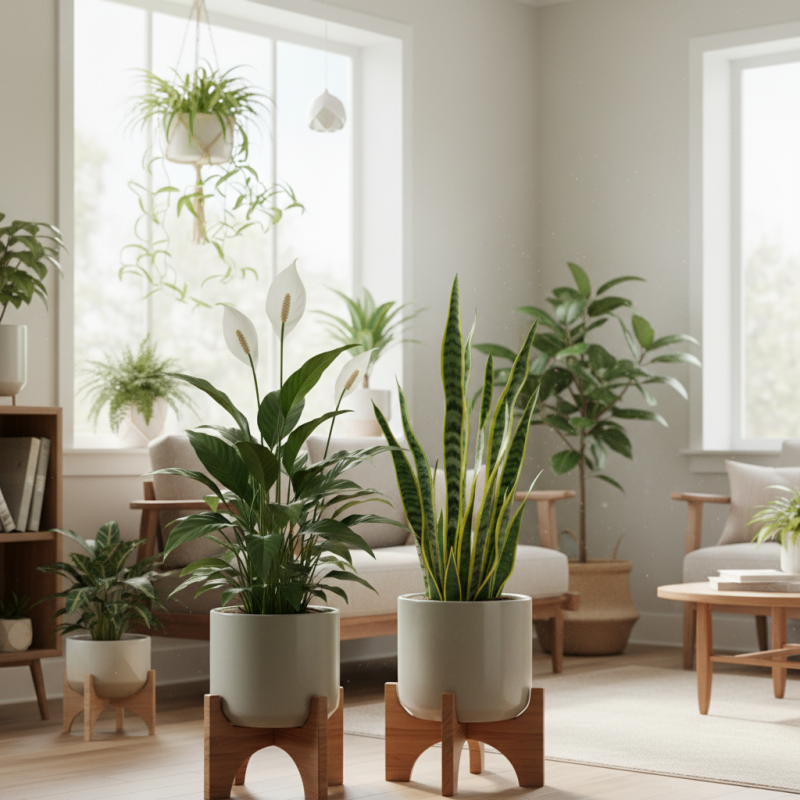
Top 10 Plants to Boost Indoor Air Quality Effectively?

Top 10 Plants for Enhancing Indoor Air Quality

Indoor air quality significantly impacts our health and well-being. Plants can improve air quality by absorbing toxins. The NASA Clean Air Study revealed that certain plants can remove harmful pollutants like benzene, formaldehyde, and trichloroethylene.

One of the top-performing plants is the spider plant. It is not only easy to care for, but it effectively eliminates up to 90% of these toxins. Another excellent choice is the snake plant. This hardy plant can survive in low light and releases oxygen at night, making it ideal for bedrooms.

**Tip:** Choose a mix of plants for better results. Incorporating various species can target different toxins. Additionally, maintain proper care by watering and ensuring they receive enough light.

Peace lilies are also effective. They can absorb mold spores and improve humidity levels. They thrive in low light, making them perfect for indoor spaces. However, be cautious as they are toxic to pets. It’s essential to consider safety alongside benefits.

**Tip:** Regularly check plants for pests. Healthy plants work better at enhancing air quality. Reflect on the impact these plants have on your living space and overall health.

Top 10 Plants to Boost Indoor Air Quality

This chart displays the effectiveness of various indoor plants in enhancing air quality by filtering common pollutants, measured in percentage of pollutant reduction.

Understanding Air Purification Mechanisms of Indoor Plants

Indoor plants play a vital role in enhancing air quality. They have unique air purification mechanisms. Plants absorb harmful gases through their leaves. This process helps reduce indoor pollutants. Carbon dioxide and volatile organic compounds are common examples. Plants also release oxygen, improving air freshness.

Different plants have varying effectiveness. For instance, some are better at filtering formaldehyde, while others target benzene. This diversity allows for tailored choices based on specific needs. However, not all plants thrive in every environment. Factors like light and humidity must be considered. Some plants could also attract pests, leading to other issues.

Care is essential for optimal performance. Regular watering and appropriate light are crucial. Neglecting plant care could reduce their benefits. It's crucial to choose plants suited for your space. Consider both aesthetics and functionality. The balance ensures a healthier living environment with beautiful greenery.

Criteria for Selecting the Best Indoor Plants

When selecting indoor plants to enhance air quality, consider several key factors. First, plants with high air purification capabilities are paramount. According to NASA's Clean Air Study, certain plants can remove pollutants like formaldehyde and benzene. The spider plant and peace lily are standout choices known for their effectiveness.

Another critical criterion is maintenance. Some plants require significant care, while others thrive on neglect. For instance, pothos and snake plants are hardy; they can adapt to various conditions. Low maintenance makes them excellent picks for busy households or offices.

Light requirements also play a significant role. Knowing how much natural light is available can guide your choices. Some plants, like the ZZ plant, can thrive in low light, while others need bright, indirect sunlight. Each environment has varying levels of exposure. Therefore, it’s vital to assess your indoor conditions before making a selection. A well-chosen plant can improve air quality and add aesthetic value.

Overview of Each Plant's Air Purifying Benefits

Indoor air quality significantly affects health and well-being. Certain plants can help improve this environment. The NASA Clean Air Study is a notable reference. It identified specific houseplants that effectively filter indoor pollutants.

One standout is the Spider Plant. This hardy plant removes pollutants like formaldehyde and xylene. It thrives in indirect sunlight and requires minimal care. Another excellent choice is the Peace Lily. Research shows it reduces levels of ammonia and benzene. Its elegant white flowers add beauty to any space.

The Snake Plant is also noteworthy. It's known for filtering toxins while releasing oxygen at night. It’s perfect for those who may forget to water regularly. Each of these plants not only purifies air but also adds life to interiors. However, their effectiveness may vary based on conditions in your home. Plant care knowledge is essential for maximizing their benefits. It’s vital to choose plants suited to your living space for optimum results.

Care and Maintenance Tips for Indoor Air Quality Plants

Indoor plants can significantly enhance air quality, but they require proper care. Regular watering is essential, but it's important not to overwater. According to NASA’s Clean Air Study, some plants improve air quality while being relatively easy to maintain.

Dust is a common issue. Wipe down the leaves of plants like the Spider Plant and Peace Lily regularly. This keeps them healthy and maximizes their air-purifying capabilities. The American Society of Horticultural Science emphasizes that dust can hinder photosynthesis, impacting overall growth.

Light requirements vary among plants. Some thrive in low light, like the Snake Plant, while others prefer bright, indirect sunlight. Monitor their condition and adjust their placement as needed. According to the Environmental Protection Agency, the right light enhances the plants' ability to filter out toxins.

Fertilizing is another consideration. An occasional application of a balanced fertilizer can boost growth. However, too much fertilizer can damage plants. Each species has specific needs, so research is necessary. Even experts make mistakes, leading to less-than-ideal conditions. Each plant is unique and requires observation and adjustments for optimal health.

Top 10 Plants to Boost Indoor Air Quality Effectively

Plant Name Air Purification Benefits Light Requirements Watering Frequency Care Level
Spider Plant Removes formaldehyde and xylene Bright, indirect light Every 1-2 weeks Easy
Peace Lily Absorbs ammonia, benzene, and formaldehyde Low to medium light Weekly Moderate
Snake Plant Filters out formaldehyde and nitrogen oxides Indirect light Every 2-3 weeks Very easy
Boston Fern Removes formaldehyde and other toxins Moderate to bright indirect light Weekly Moderate
Rubber Plant Eliminates pollutants like formaldehyde Bright, indirect light Every 1-2 weeks Easy
Aloe Vera Cleanses air of formaldehyde and benzene Bright, indirect light Every 3 weeks Easy
Pothos Removes indoor pollutants like formaldehyde Low light to bright indirect light Every 1-2 weeks Very easy
Dracaena Removes benzene, formaldehyde, and trichloroethylene Low to bright indirect light Every 1-2 weeks Easy
Chinese Evergreen Effective at removing indoor air pollutants Low light Every 1-2 weeks Easy
ZZ Plant Filters out toluene, xylene, and benzene Low to bright indirect light Every 2-3 weeks Very easy

FAQS

: How do indoor plants improve air quality?

: Indoor plants absorb harmful gases through their leaves, reducing indoor pollutants like carbon dioxide.

Which plants are best for improving air quality?

Spider plants and snake plants are excellent choices for enhancing air quality.

Are there plants that thrive in low light?

Yes, snake plants and peace lilies grow well in low light, making them ideal for indoor spaces.

Can plants remove specific toxins?

Yes, some plants target certain toxins like formaldehyde, while others focus on benzene.

What should I consider when choosing plants?

Consider factors like light, humidity, and maintenance needs for optimal plant performance.

How can I maintain healthy indoor plants?

Regular watering and ensuring adequate light are key to keeping plants healthy and effective.

Are there any risks associated with certain plants?

Yes, some plants, like peace lilies, can be toxic to pets. Safety is important to consider.

Why is a mix of plants beneficial?

A mix targets different toxins, enhancing overall air quality more effectively than single species.

What happens if I neglect plant care?

Neglecting plants can reduce their air-purifying benefits and might attract pests.

How can I reflect on the impact of my plants?

Observe how plants influence your space and well-being, and consider adjustments based on their effect.

Conclusion

The article "Top 10 Plants to Boost Indoor Air Quality Effectively" explores the various indoor plants that can significantly improve air quality in homes and offices. By understanding the air purification mechanisms of plants, readers can select the best options based on specific criteria such as adaptability, ease of care, and pollution removal efficiency. The guide provides an overview of each plant's unique air-purifying benefits, highlighting how certain species excel at eliminating harmful toxins.

Additionally, the article offers essential care and maintenance tips to ensure these plants thrive and continue to enhance indoor air quality. The key question addressed is, "Which plants are most effective for improving indoor air quality?" By incorporating these plants into indoor spaces, individuals can create a healthier living environment while enjoying the aesthetic appeal of greenery.

Isabella

Isabella

Isabella is a dedicated marketing professional with a sharp focus on driving brand growth and engagement through strategic content creation. With an extensive background in digital marketing, she combines her passion for storytelling with her keen understanding of industry trends to deliver......