Top Plant Growth Regulators for 2026 What You Need to Know?

Time:2026-03-16 Author:Sophia
0%

As we approach 2026, understanding Plant Growth Regulators (PGRs) becomes essential for agriculture and horticulture. These substances play a pivotal role in enhancing plant growth, shaping crop yields, and improving overall plant health. Many farmers and researchers are eager to explore which PGRs will dominate in the coming years.

PGRs can significantly impact plant physiology. They influence processes like flowering, fruiting, and root development. However, not all regulators are equally effective. Some may offer quick results but could compromise long-term plant health. This presents a challenge for growers who seek sustainability in their practices.

In the evolving landscape of agriculture, selecting the right PGR requires careful consideration. It’s not just about the highest yield. Farmers must reflect on potential side effects and environmental impacts. Balancing productivity with ecological responsibility remains a pressing issue. Understanding these dynamics will guide the best practices in PGR usage for a thriving future.
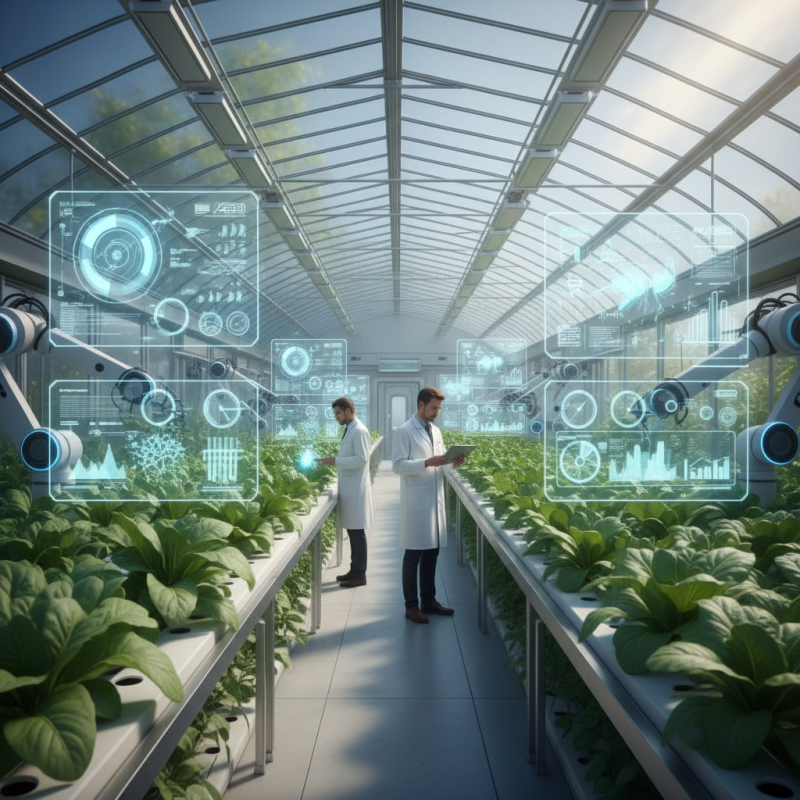
Top Plant Growth Regulators for 2026 What You Need to Know?

Top Plant Growth Regulators: An Overview for 2026

Plant growth regulators (PGRs) play a significant role in agriculture. They enhance growth, improve yields, and regulate plant development. Understanding their usage is crucial for farmers and researchers alike. Many options are available, ranging from auxins to cytokinins. Each type serves a specific purpose in plant growth.

Auxins promote root formation and stem elongation. They can also influence fruit development. However, overstimulation can lead to unpredicted growth patterns. Using them requires careful consideration and knowledge. Cytokinins are known for promoting cell division, which can lead to increased leaf growth. Yet, excessive use might result in bushy plants with fewer fruits. Balancing application rates is essential in achieving desired outcomes.

Regulators also interact with environmental factors. Light and temperature can significantly impact their effectiveness. A regulator that works well in one climate may not perform the same in another. Monitoring these interactions is vital for successful application. Understanding the nuances of PGRs will be key for anyone looking to optimize plant growth in the coming years.

Key Benefits of Using Plant Growth Regulators in Modern Agriculture

Plant growth regulators (PGRs) are becoming essential in modern agriculture. They help optimize plant development and improve crop yields. Farmers are increasingly recognizing the importance of these substances. They manipulate plant growth processes effectively. With proper use, PGRs can enhance rooting, flowering, and fruiting.

One key benefit is efficiency. PGRs can lead to faster growth rates. This means crops can reach maturity sooner. In highly competitive markets, this advantage is crucial. Additionally, PGRs can improve stress tolerance in plants. For example, they may help plants withstand drought or disease conditions. Better resistance can lead to healthier crops overall.

However, it’s important to use PGRs wisely. Overuse can lead to unwanted outcomes, like stunted growth or poor yields. Each crop responds differently to regulators. This variability suggests that farmers need to experiment. Understanding how each type of plant reacts is vital for success. Careful application can help maximize benefits and minimize risks.

Top Plant Growth Regulators for 2026

Understanding the effectiveness of various plant growth regulators (PGRs) is crucial for maximizing agricultural productivity. This chart illustrates the effectiveness levels of major PGR types, with gibberellins showing the highest effectiveness, followed closely by auxins and cytokinins.

Current Market Trends and Forecasts for Plant Growth Regulators

The market for plant growth regulators (PGRs) is evolving rapidly. Recent industry reports show a projected growth rate of 7% annually through 2026. This growth is driven by increasing demand for sustainable agricultural practices and higher crop yields. Farmers are looking for ways to improve efficiency and productivity while minimizing environmental impacts.

In 2023, the market for PGRs was valued at approximately $5 billion. A significant portion of this growth is attributed to the rising adoption of precision agriculture. By using PGRs, growers can optimize plant development. This leads to earlier harvests and improved quality of crops.

Tips: Always consider local regulations before using any PGRs. Many are effective but may have specific application rules. Evaluate your crop’s unique needs. Not all plants respond the same way to these regulators. Test on a small scale before wide usage. This careful approach can prevent costly mistakes. As the market continues to evolve, staying informed about new developments is crucial.

Comparative Analysis of Top Plant Growth Regulators in 2026

In 2026, plant growth regulators (PGRs) continue to transform agricultural practices. They influence plant growth, enhance yield, and manage crop quality. Understanding the comparative effectiveness of these PGRs is crucial. Different types serve varying functions in development stages. For example, some stimulate root growth, while others focus on flowering. Each offers unique benefits and limitations.

Research shows significant variations in the effectiveness of PGRs. External factors such as soil composition and climate play a role. Some PGRs provide quick results but may lead to long-term soil health issues. Others promote gradual growth changes, requiring patience. Farmers must weigh immediate benefits against potential consequences. This decision-making process can be challenging yet rewarding.

Data from multiple studies highlight the potential trade-offs. A regulator may enhance yield but affect plant resilience. Observations often reveal surprising results. Adapting to these findings is essential for sustainable agriculture. Balancing growth and environmental impact remains a central theme. Each choice farmers make should reflect their unique conditions and long-term goals.

Top Plant Growth Regulators for 2026 - Comparative Analysis

Regulator Type Effect on Growth Application Rate (g/ha) Usage Timing
Auxins Natural/Synthetic Promotes cell elongation, root formation 10-50 Pre-planting, rooting
Gibberellins Natural/Synthetic Increases seed germination, stem elongation 5-20 Early growth stages
Cytokinins Synthetic Stimulates shoot formation and growth 1-5 During vegetative growth
Abscisic Acid Natural Regulates stress responses, seed dormancy 50-200 During drought conditions
Ethylene Gas Promotes fruit ripening, flower opening Variable Pre-harvest

Future Innovations in Plant Growth Regulation Technology

The future of plant growth regulation is evolving rapidly. Research indicates that innovative technologies are transforming how we approach crop management. A report by AgFunder reveals that investment in agricultural technology reached $22 billion in 2021. This trend highlights the industry's commitment to developing smarter solutions.

Novel methods include the use of biostimulants, which enhance plant resilience. According to a study by MarketsandMarkets, the biostimulants market is projected to grow to $3.5 billion by 2027. This signifies a shift toward sustainable practices. Growers are increasingly looking for eco-friendly alternatives that do not depend solely on traditional fertilizers or herbicides.

Moreover, gene editing technologies, like CRISPR, are becoming mainstream. These tools allow precise modifications that can enhance growth rates and yield quality. However, the ethical implications are still a topic for debate. Ensuring safety while maximizing benefits remains a challenge. As the industry advances, stakeholders must balance innovation with environmental responsibility. Adopting these technologies demands cautious exploration into their long-term effects on agriculture and ecosystems.

FAQS

: What are plant growth regulators (PGRs)?

: PGRs are substances that enhance growth and regulate plant development in agriculture.

How do auxins function?

Auxins promote root formation and influence stem elongation, aiding in fruit development.

What risks come from using cytokinins?

Excessive use of cytokinins can lead to bushy plants with fewer fruits, which is not desirable.

Why is monitoring environmental factors crucial?

Light and temperature can significantly impact the effectiveness of PGRs in different climates.

What is the current market trend for PGRs?

The PGR market is growing at a projected rate of 7% annually, driven by sustainable practices.

How much was the PGR market valued in 2023?

The PGR market was valued at approximately $5 billion in 2023, highlighting its importance.

Why is precision agriculture important for PGR use?

Precision agriculture helps optimize plant development, leading to earlier harvests and better crop quality.

What should I consider before using PGRs?

Always check local regulations and evaluate your crop’s specific needs before application.

What is a safe approach to using PGRs?

Conduct small-scale tests before widespread usage to avoid costly mistakes.

How can I stay informed about PGR developments?

Regularly updating knowledge about new trends and regulations in the market is essential.

Conclusion

The article titled "Top Plant Growth Regulators for 2026: What You Need to Know" provides a comprehensive overview of the evolving landscape of plant growth regulators (PGRs) in modern agriculture. As farmers look to enhance crop yields and optimize resource use, the benefits of utilizing PGRs become increasingly significant. The article highlights the key advantages of these regulators, including improved growth patterns, increased resistance to stressors, and enhanced fruit quality.

Current market trends indicate a growing demand for innovative PGR solutions, with forecasts suggesting sustained growth in this sector through 2026. A comparative analysis of the leading plant growth regulators reveals their varying effects on plant physiology, thereby informing farmers about the best options for specific agricultural needs. Furthermore, the article discusses future innovations in plant growth regulation technology, emphasizing the importance of ongoing research and development in creating more efficient and sustainable agricultural practices.

Sophia

Sophia

Sophia is a dedicated marketing professional with an exceptional depth of knowledge about her company's products and services. With a keen understanding of market trends and customer needs, she crafts insightful blog posts that not only inform but also engage readers, enriching the company’s online......