How to Reduce Stress and Anxiety with Indoor Plants?

Time:2026-05-25 Author:Sophia
0%

Research suggests that plants can significantly impact our mental well-being. Many people wonder, "Why does being around plants reduce stress and anxiety?" Dr. Jane Goodall, a prominent primatologist and environmentalist, emphasizes this connection. She states, “Plants are a source of calm in a chaotic world.”

Being in the presence of greenery can lower cortisol levels, which is linked to stress. Also, indoor plants improve air quality. Cleaner air can enhance our mood and overall health. They invite a sense of peace into our spaces. Imagine sitting next to a leafy fern or a vibrant pothos. These interactions create a natural sanctuary in our busy lives.

Plants often require care and attention, which can be meditative. However, not everyone finds this experience easy. Some may struggle to keep plants alive, creating additional stress. It’s essential to choose easy-to-care-for varieties if you’re new to gardening. Reflecting on this, we can learn that creating a calm environment takes time and patience. Embracing plants could be an important step in managing stress and anxiety.
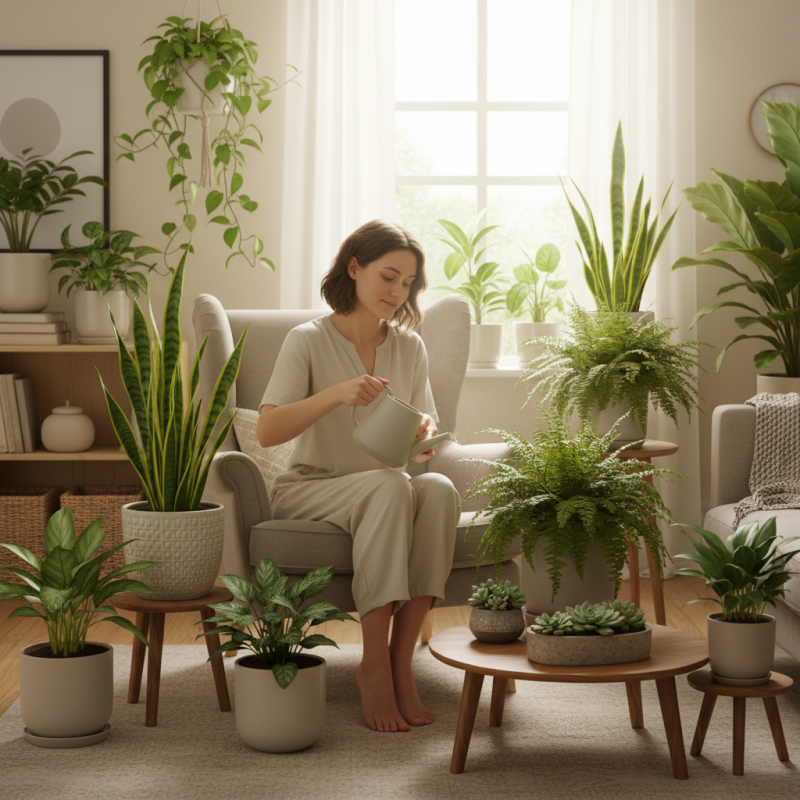
How to Reduce Stress and Anxiety with Indoor Plants?

Understanding Stress and Anxiety: The Role of Indoor Plants

Stress and anxiety have become common challenges in modern life. According to a recent report by the American Psychological Association, nearly 75% of adults experience stress regularly. Interestingly, incorporating indoor plants into our living spaces can provide a natural remedy. Research from the University of Queensland found that being around greenery can reduce stress levels by up to 37%. The colors and textures of plants create a calming environment, promoting relaxation and focus.

Indoor plants also improve air quality. NASA's Clean Air Study revealed that certain plants can remove harmful toxins from the air. Cleaner air means better breathing, which contributes to lower anxiety levels. Plants such as peace lilies and snake plants are particularly effective in purifying air. However, it’s essential to choose plants that fit your lifestyle. Not everyone has a green thumb, and some plants require specific care.

Creating a mini-garden can be therapeutic. Engaging with plants allows for mindfulness and connection with nature. Reports show this connection can significantly enhance mood. Yet, the challenge lies in maintaining this garden. Dead or struggling plants can create more stress. Recognizing this balance is crucial to using indoor plants as a tool for well-being.

Choosing the Right Indoor Plants for Stress Relief

Choosing the right indoor plants for stress relief can dramatically improve your mental well-being. Certain plants are known to enhance moods and relieve tension. For example, snake plants and peace lilies are popular choices. Their elegant leaves and low-maintenance care make them ideal for busy individuals. Just a few of these plants can liven up a dull space.

Consider the impact of greenery on your environment. Studies show that plants can lower stress levels and improve air quality. Having plants nearby can create a calming atmosphere. You might feel more grounded, especially during hectic times. However, not every plant suits every person. It’s important to reflect on your lifestyle and space before making choices.

Additionally, think about how much light and humidity your plants need. Some require bright light, while others thrive in shade. Overwatering can be detrimental, so pay attention to their needs. A few plants might even bring unexpected challenges. Balancing care with your time can be tricky. It’s okay to have setbacks; learning is part of the journey towards a greener, more serene space.

Caring for Indoor Plants: Tips to Enhance Their Benefits

Caring for indoor plants can significantly enhance their stress-relief benefits. Start with selecting the right plants. Consider species like pothos, snake plants, or peace lilies. These plants are not just resilient; they also purify the air. A clean, fresh environment helps reduce anxiety.

Watering is crucial but often misunderstood. Overwatering can lead to root rot. It's essential to check the soil moisture. Push your finger an inch into the soil. If it's dry, it's time to water. Always allow the water to drain. This simple practice can help prevent plant stress, reflecting back on your own stress levels.

Lighting conditions should not be overlooked. Indoor plants need ample natural light to thrive. If sunlight is scarce, consider using grow lights. Pay attention to leaf color changes; they signal light deficiencies. Remember, plants are living beings. They require attention and can teach us patience as we care for them.

How Indoor Plants Can Reduce Stress and Anxiety

The chart illustrates the effectiveness of various indoor plants in reducing stress and anxiety, measured in percentage. Each plant has unique properties that can contribute to a calming environment, promoting mental well-being.

Creating a Relaxing Indoor Environment with Plants

Creating a relaxing indoor environment with plants can significantly reduce stress and anxiety. Using various types of foliage brings life and beauty to any space. The colors of green can be soothing. Moreover, the act of caring for these plants can also be therapeutic. Pruning leaves and watering soil shifts focus away from daily worries.

Consider using plants like snake plants or peace lilies. They are easy to care for and improve indoor air quality. Being surrounded by greenery may enhance your mood. A small herb garden in your kitchen can engage your senses and invite fresh aromas into your home. However, remember not all plants thrive in every environment. Some may require more sunlight or humidity than you can provide.

On the other hand, gardening can have its challenges. Overwatering is a common mistake, and pests can be frustrating. These obstacles might discourage you, but each trouble offers a lesson on patience and resilience. Create a peaceful nook with your plants, adding comfortable seating and soft lighting. This space can become a retreat where you unwind and reflect. Embracing imperfections in your plant journey can enhance your overall experience, making it truly rewarding.

How to Reduce Stress and Anxiety with Indoor Plants? - Creating a Relaxing Indoor Environment with Plants

Plant Name Benefit Care Level Light Requirement
Spider Plant Reduces indoor pollutants Easy Indirect sunlight
Peace Lily Improves air quality Moderate Low to bright indirect light
Aloe Vera Soothes skin and aids digestion Easy Bright, indirect sunlight
Lavender Promotes relaxation and sleep Moderate Full sun
Boston Fern Humidifies air and removes toxins Moderate Indirect light

Incorporating Mindfulness Practices with Your Indoor Plants

Incorporating mindfulness practices when caring for indoor plants can greatly enhance your well-being. Each time you tend to your plants, take a moment to breathe deeply. Feel the texture of the leaves or soil. Notice the colors and shapes of the foliage. This connection can ground you in the present moment, reducing feelings of stress and anxiety.

Consider setting aside time daily for plant care. This ritual can transform a mundane task into a mindful meditation. As you water, think about the needs of your plants. Are they thriving? What changes might improve their health? Engage with them like a conversation. You may find joy in these interactions, even if they feel one-sided.

Remember, it's okay if you don't have a green thumb. Some plants may struggle despite your efforts. Reflect on what went wrong. Learning from these experiences is part of the journey. Your plants, like your mind, require patience and understanding. This practice can cultivate not just plants, but also personal growth and resilience.

FAQS

: How can indoor plants reduce stress?

: Indoor plants can create a calming atmosphere, which helps reduce stress and anxiety.

What types of plants are easy to care for?

Snake plants and peace lilies are low-maintenance options. They also improve indoor air quality.

How does caring for plants feel therapeutic?

Caring for plants shifts your focus away from daily worries, promoting relaxation and reflection.

Can all plants thrive indoors?

Not all plants adapt well to every environment. Some need more sunlight or humidity than available.

What challenges might you face in indoor gardening?

Common issues include overwatering and dealing with pests. These challenges teach patience and resilience.

How can mindfulness enhance plant care?

Taking time to breathe and connect with plants can ground you and reduce feelings of anxiety.

Is it necessary to have a green thumb?

No, it's not necessary. Many people struggle, but learning through mistakes is part of the journey.

What can I create with my plants at home?

You can design a peaceful nook with comfortable seating, soft lighting, and greenery for relaxation.

Why is engaging with plants important?

Engaging with plants, even in one-sided conversations, can bring joy and enhance your connection with them.

What should I do if my plants aren't thriving?

Reflect on their care and understand what went wrong. This learning process is crucial for growth.

Conclusion

Indoor plants can significantly mitigate stress and anxiety, primarily due to their calming presence and aesthetic appeal. Understanding how these plants influence our mental health involves recognizing the psychological and physiological benefits they provide. By choosing the right indoor plants known for their air-purifying qualities and serene aesthetics, individuals can create a more tranquil home environment.

Caring for these plants not only fosters a sense of responsibility but also encourages mindfulness, allowing one to engage in the present moment. Incorporating practices like meditation or deep breathing while tending to plants enhances their soothing effects. Ultimately, a common question arises: **Why does being around plants reduce stress and anxiety?** The answer lies in their ability to improve air quality, increase humidity, and promote a sense of connection to nature, all of which contribute to a peaceful and relaxing space.

Sophia

Sophia

Sophia is a dedicated marketing professional with an exceptional depth of knowledge about her company's products and services. With a keen understanding of market trends and customer needs, she crafts insightful blog posts that not only inform but also engage readers, enriching the company’s online......