Tropical plants thrive in warm, humid environments. However, winter brings challenges for these lush species. As temperatures drop, indoor air can become dry. This poses a risk to the health of your beloved plants. So, how to increase humidity for tropical plants in winter?
To nurture your tropical plants, it’s essential to understand their needs. They require higher humidity levels to prevent leaf drop and diseases. Simply putting them in a sunny spot isn’t enough. Many plant owners struggle with this aspect. Finding a balance between light and moisture is tricky.
Consider using a humidifier. This is one effective method. Alternatively, grouping plants together can create a microclimate. Using pebble trays filled with water also helps, yet it might not be sufficient for every plant’s needs. You might find yourself adjusting these methods frequently, reflecting on what works best. Each plant is unique, after all. Embracing trial and error fosters a deeper connection with your green companions.
Understanding the Importance of Humidity for Tropical Plants
Tropical plants thrive in high humidity, especially during winter months. Humidity levels below 40% can cause stress to these plants. They may wilt, yellow, or even drop leaves under dry conditions. Understanding how to maintain humidity is crucial for their health.
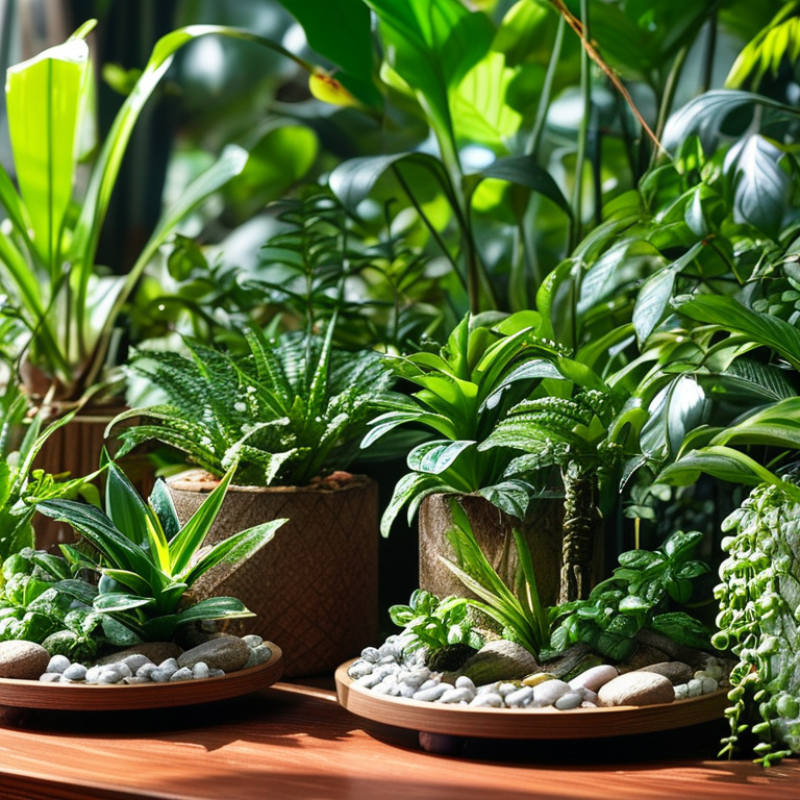
There are various methods to boost humidity. Grouping plants together can create a microenvironment. They release moisture, which benefits their neighbors. You can also use a simple tray filled with water and pebbles beneath your plants. As the water evaporates, it increases humidity around them. Regular misting can help, but it might not last long. Too much misting can also lead to mold growth, so balance is key.
Observing your plants closely is essential. Some may not react well to higher humidity levels. Others may flourish. Adjusting humidity requires a bit of trial and error. Use a hygrometer to check humidity levels. Monitoring these changes helps you understand your plants' needs better.
Identifying the Right Humidity Level for Your Tropical Plants
Tropical plants thrive in high humidity. The ideal range for most is between 40% and 60%. Some species prefer even higher levels. For instance, ferns and orchids flourish at 70% to 80% humidity. Maintaining this environment in winter can be challenging. Heating systems typically dry indoor air, often dropping humidity below 30%.
To address this, consider using a hygrometer. This simple tool measures humidity accurately. Place it near your tropical plants to monitor their needs. If levels are too low, options include misting plants, using a pebble tray with water, or investing in a humidifier. A study from the American Society of Horticultural Science recommends keeping the humidity between the ideal range for optimal growth and flower production.
Creating a microclimate can also help. Grouping plants together increases humidity through transpiration. Additionally, regularly checking for signs of stress, like browning leaves, is crucial. It’s important to remember that while many plants require high humidity, some might react negatively to excessive moisture. Balancing humidity is a nuanced art in indoor gardening. Regular observation and adjustments can ensure your tropical plants thrive during winter.
Effective Methods to Increase Indoor Humidity in Winter
Maintaining humidity for tropical plants during winter is essential for their survival. Indoor environments can become extremely dry when heating systems are in use. Studies indicate that indoor humidity levels often drop below 30% in winter, detrimental for tropical plants that thrive in 60% to 80% humidity.
One effective method is to place water trays or bowls near your plants. As the water evaporates, it increases the moisture in the air. Additionally, grouping plants together creates a microenvironment and raises humidity levels naturally. A report by the University of Florida suggests that plants can increase humidity by up to 20% when clustered.
Misting plants is another popular approach. Using a spray bottle to mist leaves helps increase surface moisture. However, over-misting can lead to mold growth and plant diseases. Regularly monitoring humidity levels with a hygrometer can help avoid such issues. Aim for a balanced humidity level—excess moisture can be as harmful as too little.
Using Humidifiers and Other Tools for Humidity Control
Winter can be tough for tropical plants. Low humidity levels can lead to issues like leaf drop or browning tips. Using a humidifier can be a game-changer. Choose a model that suits your space. Maintain humidity levels between 50% to 70%. Regularly check the water level to avoid dryness. Humidifiers release moisture into the air. This can create a healthier environment for your plants.
Other tools can help with humidity too. You can set up pebble trays filled with water beneath your plants. As the water evaporates, it increases humidity around them. Grouping plants together can also create a microclimate. This method relies on the natural moisture released by the leaves.
Observing your plants will provide insight into what they need. Watch for signs of inadequate humidity, like droopy leaves. Don’t be afraid to experiment. If one method doesn't work, try another. Each plant may require different levels of humidity. Remember, care is not always straightforward, and adjustments may be necessary.
How to Raise Humidity for Tropical Plants in Winter Tips
| Humidity Control Method |
Description |
Effectiveness |
Recommended Usage |
| Humidifiers |
Devices that add moisture to the air. |
Very High |
Use continuously for optimal results. |
| Pebble Trays |
Trays filled with water and pebbles that humidify the air. |
Moderate |
Place near plants for best effect. |
| Misting |
Spraying water directly onto plants. |
Low to Moderate |
Use in the morning to avoid water sitting overnight. |
| Grouping Plants |
Placing plants close together to create a microclimate. |
Moderate |
Ideal for small spaces. |
| Aquariums |
Using fish tanks to naturally increase humidity. |
High |
Great dual-purpose solution for hobbyists. |
Natural Ways to Boost Humidity Around Your Tropical Plants
Tropical plants thrive in high humidity, which can be difficult to achieve in winter. One effective method is to use pebble trays.
Fill a shallow tray with pebbles and water, ensuring the water level stays below the top of the pebbles. Place your plant pots on top. The evaporation from the water increases humidity, benefiting your plants.
Grouping your plants together is another natural way to enhance humidity. When closely positioned, plants will create a microenvironment that retains moisture. However, over-crowding can lead to issues like poor air circulation. Monitor plant conditions closely to find the right balance.
Misting leaves can also be beneficial, but it requires careful consideration. Too much misting can lead to mildew, while too little will not provide the desired effect. Experiment with this technique, adjusting based on your plants' responses. Pay attention to changes in leaf health and adjust your humidity-boosting methods accordingly.
Conclusion
In regions with cold winters, maintaining the right humidity levels is crucial for the health of tropical plants. The question "How to increase humidity for tropical plants in winter?" is essential for plant enthusiasts looking to support their greenery during the dry months. Understanding the importance of humidity helps in identifying optimal levels needed for different types of tropical flora, which typically flourish in higher humidity environments.
Effective methods to boost indoor humidity include utilizing humidifiers, which can create a more suitable microclimate for your plants. Additionally, incorporating natural methods like grouping plants together, placing water trays near plants, and misting foliage can contribute to increased humidity levels. By combining these strategies, you can successfully create a thriving environment for your tropical plants even during the winter season.

 Sativa Plant