How to Propagate Plants from Stem Cuttings in Water?

Time:2026-10-05 Author:Liam
0%

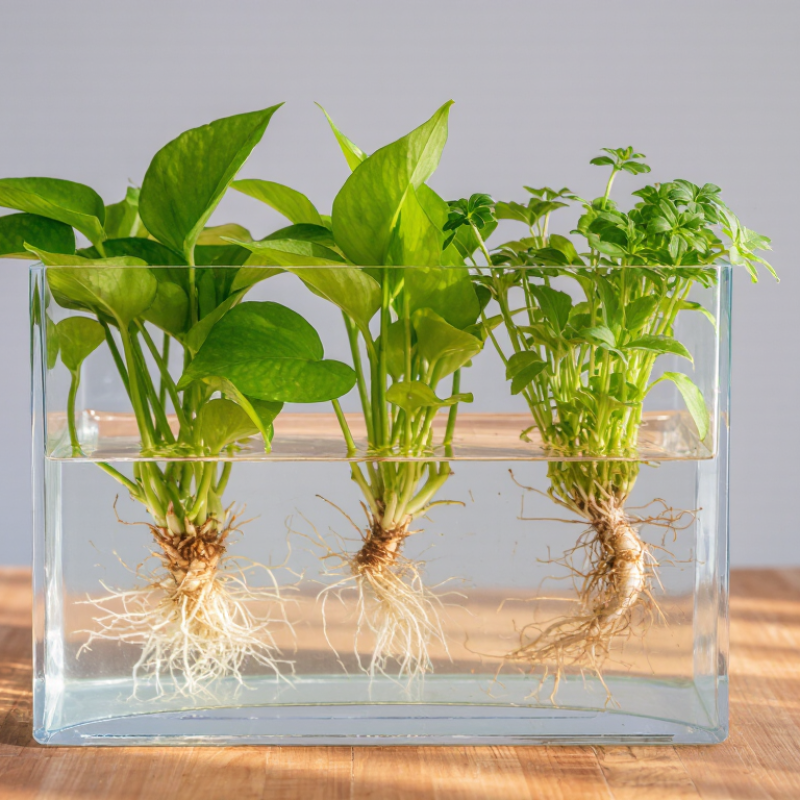
How to propagate plants from stem cuttings in water? This simple question opens a practical way to multiply healthy houseplants. Many beginners start with pothos, philodendron, tradescantia, or coleus. These plants often produce roots from cut stems when conditions remain stable. However, water propagation is not a universal solution. Some plants root poorly, while others develop weak roots in water.

Choose a vigorous stem with clean leaves and at least one visible node. A node is the small point where a leaf joins the stem. Cut just below it with a clean, sharp blade. Remove lower leaves, then place the node beneath room-temperature water. Keep the leaves above the surface. A bright location with indirect light usually supports steady growth. Direct afternoon sun can heat the container and encourage algae.

Change the water every few days. Check for cloudy water, soft stems, or an unpleasant smell. These signs may indicate decay, not progress. Roots commonly appear within one to several weeks, depending on the plant and season. Patience matters. I have sometimes moved cuttings too early and damaged fragile roots. Waiting for several strong roots may be safer than following a fixed calendar. Once the roots reach a few centimeters, transfer the cutting into a loose, lightly moist potting mix. Keep humidity gentle, and avoid soaking the new plant. Water propagation feels easy, but careful observation makes the difference.
How to Propagate Plants from Stem Cuttings in Water?

Choosing Healthy Stems and Preparing the Cuttings

How to Propagate Plants from Stem Cuttings in Water?

Choosing a healthy stem determines much of your cutting’s future. Select a firm, green stem with no spots, insects, bruises, or soft tissue. Semi-ripe growth often performs better than very young, fragile shoots. Choose a section with two or three visible nodes. Roots usually emerge near these points.

Use clean, sharp scissors. Make the lower cut just below a node, then remove the bottom leaves. Keep at least one leaf above the water. Large leaves can lose moisture quickly, so trimming them slightly may help. Do not crush the stem. I sometimes cut too close to the node, and those pieces can rot. A small mistake matters.

Tips: Fill a clear glass with room-temperature water. Change it every three to five days. Place the cutting in bright, indirect light. Keep leaves dry and the water below them. The Royal Horticultural Society advises using healthy, non-flowering shoots for many softwood cuttings. Its guidance also stresses clean tools and suitable moisture control. Commercial interest is substantial: the USDA National Agricultural Statistics Service reported 2023 U.S. floriculture sales of approximately 6.7 billion dollars. That scale explains why small preparation details receive serious attention. Check the stem daily. Cloudy water, a sour smell, or a brown base signals trouble. Not every cutting roots, even under careful conditions.

Selecting Suitable Water and Containers for Root Development

When propagating stem cuttings in water, water quality matters more than many beginners expect. I use clean, room-temperature water in a washed glass container. Very cold water can stress fresh cuttings. Tap water usually works, but heavily chlorinated water may slow delicate roots. Letting it stand overnight can reduce some chlorine, although this method is not perfect. Filtered water is useful when tap water leaves heavy mineral deposits.

Choose a container that keeps the stem upright without crushing it. A narrow opening supports the cutting, while a transparent side lets you inspect root growth. The leaves should remain above the water, and only the lower nodes should be submerged. Remove leaves that would sit underwater. They decay quickly and can make the water cloudy. I prefer small containers for one or two cuttings because crowded stems often rot unnoticed.

Place the container near bright, indirect light. Direct afternoon sun can heat the water and damage developing roots. Change the water every three to five days, or sooner if it smells stale. Rinse the container gently during each change. Roots need oxygen, not just moisture, so stagnant water is a common problem. In my experience, I sometimes changed water too often and disturbed fragile roots. A calmer routine worked better. If roots become brown, slimy, or soft, discard the cutting rather than trying to rescue everything.

Placing Stem Cuttings in Water Under Proper Conditions

Choose a healthy stem from a well-hydrated parent plant, preferably without flowers. Cut a 10–15 centimeter section just below a node using a clean, sharp blade. Remove the lower leaves, but keep two or three leaves near the tip. The node must sit below the water. Leaves should stay dry. I once submerged too much stem, and the cutting softened within days.

Use a clean glass filled with room-temperature water. Place the cutting in bright, indirect light, away from hot windows and strong drafts. Temperatures around 18–24°C usually support steady root development. Replace the water every three to five days, or sooner if it becomes cloudy. Rinse the container gently, and inspect the stem for dark, mushy tissue. Healthy roots are usually pale and firm.

Patience matters. Some cuttings root in a week, while others need several weeks. Avoid adding excessive fertilizer, because tender roots can burn. When several roots reach about 2–5 centimeters, transfer the cutting into a lightly moist, well-draining growing medium. Keep humidity moderate during this change. My own success rate improved after I stopped checking roots every day; frequent handling damaged delicate growth. Water propagation is useful, but not ideal for every plant, especially species that resist prolonged moisture.

Monitoring Roots and Maintaining Healthy Growth

How to Propagate Plants from Stem Cuttings in Water?

Choose a vigorous stem with firm tissue and at least one visible node. Cut just below the node using a clean, sharp tool. Remove lower leaves, but keep two or three leaves near the tip. Place the cutting in a clear glass filled with room-temperature water. Only the node should stay underwater. Leaves submerged in water often decay quickly. Roots need oxygen, too.

Keep the glass in bright, indirect light, away from hot windows and cold drafts. Inspect the water and roots every few days. Healthy roots usually look pale, firm, and slightly creamy. Brown, soft roots suggest poor water quality or too little oxygen. Change the water every three to five days, or sooner if it becomes cloudy. Wipe the glass gently to remove slippery residue. New leaves show progress, but they can also appear before strong roots develop. I once transplanted a cutting too early, and its delicate roots collapsed. That mistake taught me to wait.

Tips: Look closely, not just quickly. Wait until several roots reach about two to five centimeters. Transfer the cutting into a loose, well-draining potting mix. Keep the mix lightly moist during the first week. Avoid direct midday sun. If the leaves wilt slightly, reduce light and check the roots before adding more water. Growth is not always steady. Some cuttings pause for weeks.

Transplanting Rooted Cuttings into Potting Soil

How to Propagate Plants from Stem Cuttings in Water?

Transplanting Rooted Cuttings into Potting Soil

When roots reach two to five centimeters, prepare a small pot with drainage holes. Use fresh, airy potting soil that holds moisture without becoming muddy. A simple mix containing soil, perlite, and compost works well for many houseplants. Handle the roots gently. They are fragile and can break easily.

Make a narrow hole in the soil with a clean pencil or finger. Place the cutting inside, keeping the roots spread naturally. Cover them completely, but keep the stem above the surface. Press the soil lightly around the base. Water slowly until a little moisture drains below. Do not pack the soil tightly. Roots need air as well as water.

Tips: Keep the new plant in bright, indirect light for several days. Avoid harsh midday sun. Maintain lightly moist soil, not constant saturation. I once moved a cutting too quickly into a large pot, and its roots stayed wet for too long. A smaller container would have been wiser. Expect some leaves to droop after transplanting. This can be normal, but soft stems or a sour smell suggest excess moisture. Wait until the top layer feels slightly dry before watering again. Growth may pause while the cutting adjusts. It needs time.

How to Propagate Plants from Stem Cuttings in Water

The chart shows typical days for common stem cuttings to develop water roots suitable for transplanting into potting soil. Move a cutting when it has several healthy roots about 2–5 cm long. Actual rooting time varies with light, temperature, water quality, and plant health.

FAQS

How do I choose a healthy stem cutting?

Select a firm, green stem without spots, insects, bruises, or soft tissue. Semi-ripe growth often works better than fragile shoots. Choose a section with two or three visible nodes. Not every cutting succeeds.

Where should I make the cut?

Make the lower cut just below a node. Use clean, sharp scissors. Remove the lower leaves. Keep at least one leaf above the water. Do not crush the stem. Small mistakes can cause rot.

How long should a stem cutting be?

A 10–15 centimeter section usually works well. It should include a node below the water. Keep two or three leaves near the tip. Trim very large leaves slightly if they lose moisture quickly.

What water and light conditions are suitable?

Use room-temperature water in a clean glass. Place it in bright, indirect light. Avoid hot windows and strong drafts. Temperatures around 18–24°C usually support steady development.

How often should I change the water?

Change the water every three to five days. Replace it sooner when it becomes cloudy. Rinse the glass gently. A sour smell or brown stem base signals trouble. Check daily, but handle the cutting less.

How can I recognize healthy or damaged roots?

Healthy roots are usually pale and firm. Dark, mushy tissue suggests trouble. Cloudy water may also indicate decay. I once submerged too much stem, and it softened within days. That was avoidable.

When should I move the cutting into soil?

Transfer it when several roots reach about 2–5 centimeters. Use a small pot with drainage holes. Choose airy soil that holds moisture without becoming muddy. A smaller container is often safer.

How should I care for the cutting after transplanting?

Keep it in bright, indirect light for several days. Water slowly until a little moisture drains below. Keep the soil lightly moist, not saturated. Let the top layer become slightly dry before watering again. Growth may pause. It needs time.

Conclusion

How to propagate plants from stem cuttings in water? Start by choosing a healthy, non-flowering stem with strong growth, then make a clean cut just below a leaf node and remove the lower leaves. Use fresh, clean water in a suitable container that can support the cutting while keeping the leaves above the water. Place the container in a warm location with bright, indirect light, avoiding harsh direct sunlight and extreme temperatures.

Change the water regularly to maintain cleanliness and provide enough oxygen for root development. Observe the cutting for new roots, remove any damaged parts, and allow the roots to become strong before transplanting. Once a healthy root system has formed, gently move the cutting into moist, well-draining potting soil. Keep the soil lightly moist during the adjustment period, gradually helping the new plant develop independently.

Liam

Liam

Liam is a dedicated marketing professional with a profound expertise in the industry, where he excels at highlighting the unique advantages of our core products. With a keen understanding of market trends and consumer needs, Liam frequently updates our company’s professional blog, providing......