How to Maintain Humidity for Tropical Plants in Winter?

Time:2026-05-09 Author:Liam
0%

Maintaining the right humidity for tropical plants in winter is crucial. These plants prefer a humid environment, with ideal levels around 60-80%. According to a report by the American Society of Horticultural Science, low humidity during winter can lead to stress and poor growth in tropical plants. “How to increase humidity for tropical plants in winter?” is a common question among plant enthusiasts and experts alike.

Dr. Jane Anderson, a noted horticulturist, emphasizes, “Creating a microclimate around tropical plants can significantly boost their health.” This highlights the importance of understanding natural conditions and replicating them indoors. Strategies like using humidifiers, grouping plants together, or even placing trays of water nearby can help achieve the desired moisture levels.

This topic is complex but vital. Many plant owners underestimate the impact of humidity. Neglecting this aspect can lead to unfortunate outcomes such as leaf drop or pest infestations. Proper research and consistent humidity management are essential for thriving plants in winter. Adapting to their needs not only promotes health but also enhances the indoor environment. Finding effective ways to combat dry winter air remains a challenge for many.
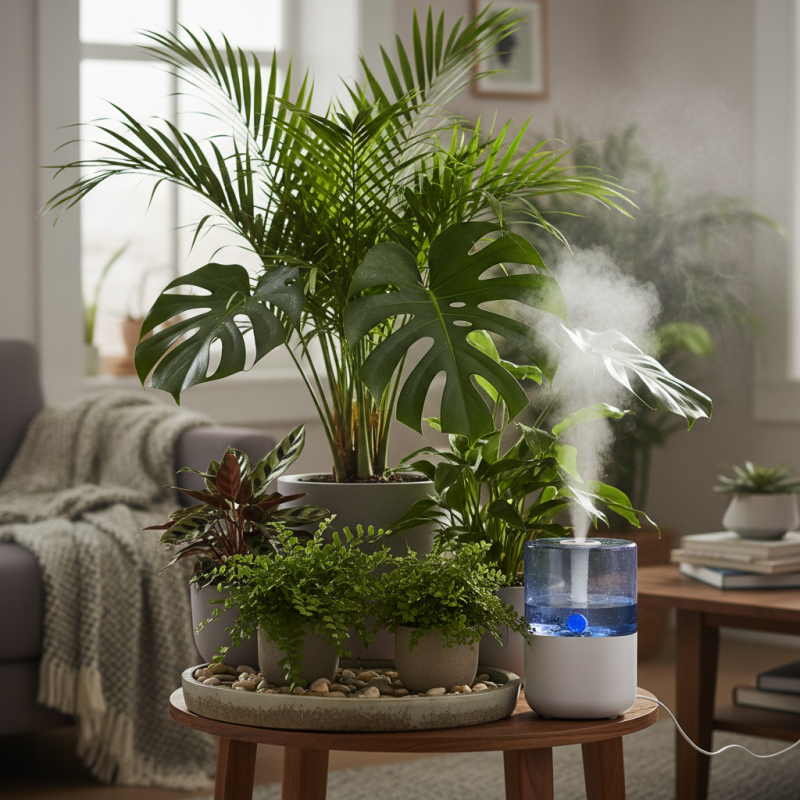
How to Maintain Humidity for Tropical Plants in Winter?

Understanding the Humidity Needs of Tropical Plants in Winter

Tropical plants thrive in high humidity. In winter, the dry indoor air can be challenging for them. Most tropical plants require humidity levels between 40% to 70%. Reports show that a drop below 30% can cause stress, leading to droopy leaves and stunted growth.

Using a hygrometer can help monitor humidity levels. A reading between 50% and 60% is ideal for most tropical varieties. Misting plants occasionally provides temporary relief but is not a long-term solution. A humidifier can be a reliable way to maintain consistent humidity. For instance, placing trays of water near plants can also help.

It's important to note that over-watering to increase humidity can lead to root rot. Hence, balancing water intake and humidity is crucial. Regular checks are necessary. Tropical plants may show signs of distress, such as brown tips or leaf drop, indicating they are not getting enough moisture. Understanding these nuances can foster a healthier environment for thriving tropical plants in winter.

Common Challenges in Maintaining Indoor Humidity for Tropical Plants

Maintaining indoor humidity for tropical plants during winter presents several challenges. Most homes have dry air due to heating systems. This drastic change in humidity can be detrimental to tropical plants, which thrive in high moisture conditions. The effects can be severe, leading to brown leaf tips and stunted growth.

One common challenge is monitoring humidity levels. Many indoor environments are not equipped with humidity gauges. Without this tool, you might not realize when the air becomes too dry. Mistaking dry air for normal conditions can lead to neglecting your plants’ needs. Another issue is consistent moisture application. Some plant owners over-water plants to compensate for low humidity, resulting in root rot. This misguided approach can ultimately harm more than help.

Finding effective solutions can be frustrating. Trying to increase humidity using methods such as pebble trays may not always yield results. Furthermore, grouping plants together might help, but not all tropical species thrive in close quarters. Each plant has unique requirements, adding complexity to the care routine. Reflecting on these challenges can help improve your strategy for maintaining a more suitable environment for your tropical plants in winter.

Effective Methods to Increase Humidity for Indoor Plants

Maintaining humidity for tropical plants during winter can be challenging. Dry indoor air, often caused by heating systems, can harm these plants. There are several effective methods to increase humidity around them.

One popular method involves using a humidifier. This device adds moisture to the air, creating a more suitable environment. Place the humidifier near your plants, but ensure it does not directly spray them. Another option is to create a pebble tray. Fill a shallow tray with pebbles and water, then set your plant pots on top. As the water evaporates, it will boost humidity levels.

Grouping your plants together can also help. This method utilizes the natural transpiration process. When plants lose water, they release moisture into the air. It’s important to observe how well these methods are working. If you notice signs of stress in your plants, consider adjusting your approach. Keeping a careful eye on humidity levels is crucial for their well-being. Regular checks can prevent potential issues and promote healthier growth.

Indoor Humidity Levels for Tropical Plants in Winter

This chart illustrates the recommended humidity levels for various tropical plants that thrive indoors during winter. High humidity is crucial for their health, especially during the dry months.

Monitoring Humidity Levels: Tools and Techniques for Success

Monitoring humidity levels is essential for the health of tropical plants during winter. Many indoor gardeners struggle with dry air, especially when heating systems are in use. Research shows that tropical plants thrive in humidity levels between 60% and 80%. However, indoor environments can drop to as low as 20% humidity without proper monitoring.

Several tools can help maintain ideal humidity. Hygrometers are straightforward devices that measure air moisture. Digital hygrometers provide precise readings and often feature alerts for low humidity. This allows you to react quickly, ensuring your plants have the right environment. In addition to hygrometers, using humidifiers can significantly improve humidity levels. A study found that rooms with humidifiers maintained a stable humidity level better than those without.

You might also consider manual methods like grouping plants. Plants naturally release moisture through transpiration, creating a micro-humid environment. Be mindful that overwatering can lead to mold, indicating humidity levels are too high. Balancing moisture levels takes practice. Experiment with different methods to find what works best for your space and plants.

Additional Care Tips for Tropical Plants During Winter Months

Tropical plants thrive in humid environments, making winter a challenging season. Providing the necessary humidity is key to their health. During the colder months, the air in homes tends to be dry. Regularly assessing the humidity levels is essential for effective care.

Consider grouping plants together. This can create a mini greenhouse effect, increasing humidity around them. Adding a pebble tray under pots filled with water can also help. As water evaporates, it adds moisture to the air.

Routine misting is another helpful tip. Lightly spray the leaves with water. This simulates their natural humid habitat. Also, keeping them away from heating vents prevents rapid moisture loss.

Monitor your plant’s response to these methods. Sometimes, they may not react as expected. Adjust humidity levels slowly, and observe changes. Experimenting with different techniques may yield better results, ensuring your tropical plants stay vibrant and healthy.

How to Maintain Humidity for Tropical Plants in Winter? - Additional Care Tips for Tropical Plants During Winter Months

Care Tip Description Frequency
Misting Lightly mist the leaves of tropical plants to increase moisture in the air. Every few days
Using Humidifiers Place humidifiers near the plants to maintain consistent humidity levels. Daily
Pebble Trays Fill a tray with pebbles and water, place the plant on top to increase humidity. As needed
Grouping Plants Cluster plants together to create a microclimate with higher humidity. As needed
Covering Plants Use clear plastic bags or domes to retain moisture around the plants. Occasionally

FAQS

: What humidity levels are ideal for tropical plants?

: Tropical plants thrive at humidity levels between 40% and 70%.

How can I measure indoor humidity?

Using a hygrometer can help monitor humidity levels effectively.

What happens if the humidity drops below 30%?

A drop below 30% can cause stress, leading to droopy leaves and stunted growth.

Is misting an effective long-term solution for humidity?

Misting provides temporary relief, but it isn't a long-term solution for increased humidity.

What is a reliable way to maintain consistent humidity?

Using a humidifier is a reliable way to keep consistent humidity levels.

Can over-watering help with humidity issues?

Over-watering can lead to root rot, so balance water intake and humidity carefully.

What are signs of distress in tropical plants?

Signs include brown leaf tips or leaf drop, which indicate insufficient moisture.

Why might grouping plants together be ineffective?

Not all tropical plants thrive in close quarters, and each has unique humidity needs.

What method can I use to create a pebble tray?

Fill a shallow tray with pebbles and water, then place plant pots on top.

How often should I check humidity levels?

Regular checks are necessary to ensure your plants remain healthy and happy.

Conclusion

Maintaining humidity for tropical plants during winter is crucial, as these plants thrive in moist environments. Understanding their specific humidity needs helps in creating suitable indoor conditions. Common challenges include dry indoor air from heating systems, which can lead to stress for the plants. To address this, one might wonder, "How to increase humidity for tropical plants in winter?" Effective methods include using humidity trays filled with water, regularly misting the plants, and grouping them together to create a microenvironment.

Monitoring humidity levels is also essential to ensure optimum growth conditions. Tools such as hygrometers can assist in tracking humidity. Additionally, providing extra care during the winter months—such as adjusting watering schedules and ensuring adequate light—will help tropical plants thrive despite the harsh indoor climate. By employing these strategies, one can effectively maintain an ideal humidity level for their tropical plants throughout the winter season.

Liam

Liam

Liam is a dedicated marketing professional with a profound expertise in the industry, where he excels at highlighting the unique advantages of our core products. With a keen understanding of market trends and consumer needs, Liam frequently updates our company’s professional blog, providing......