Why Do Indoor Plants Stop Growing in Winter Months?

Time:2026-09-05 Author:Mason
0%

As winter arrives, many indoor plant enthusiasts face a common concern: "Why do indoor plants stop growing in the winter months?" The reduced sunlight and cooler temperatures can lead to stagnation in plant growth. Understanding the factors at play is crucial for maintaining healthy plants.

Indoor plants often depend on specific environmental conditions. During winter, days are shorter and light intensity diminishes. This lack of light can shock plants, signaling them to enter a dormant phase. Additionally, lower humidity in heated homes can hinder moisture absorption.

Recognizing these challenges helps in adapting care routines. Some might feel frustrated by their plants' sudden halt. It raises questions about whether they are doing enough to support their greenery. Small adjustments can make a difference. Consider using grow lights or humidifiers to create a more favorable environment. Reflect on your current care practices to see what can be improved.
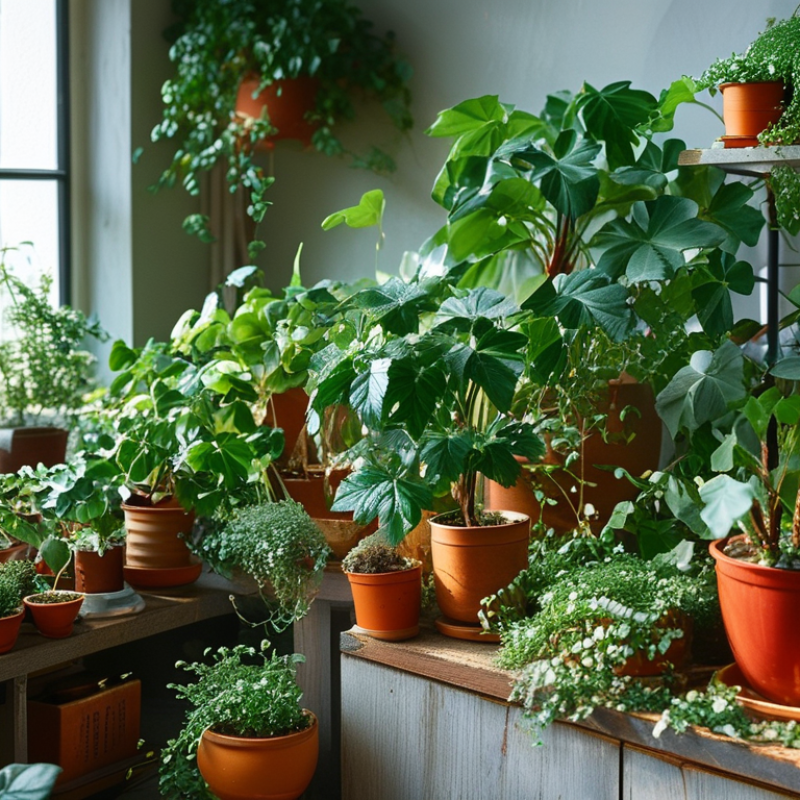
Why Do Indoor Plants Stop Growing in Winter Months?

Factors Affecting Plant Growth in Winter Months

Indoor plants often experience a slowdown in growth during winter months. This phenomenon can be attributed to several factors. One major contributor is reduced sunlight. During winter, days are shorter, leading to limited exposure. This reduced light affects photosynthesis, which is vital for plant growth. Many plants may enter a dormant stage, compelling them to conserve energy.

Temperature fluctuations are another important factor. Indoor heating can create a dry environment, which may not be ideal for many plants. Chilly drafts from windows can also stress plants. The ideal temperature for most houseplants often ranges between 65°F and 75°F. When temperatures drop or increase, plants may not thrive as expected.

For optimal winter plant care, consider the placement of your plants. Ensure they are not too close to windows or heaters. Monitor humidity levels and invest in a humidifier if necessary. Regularly assess their watering needs, as some plants require less water in colder months. Remember, patience is essential. Some plants may take longer to bounce back after winter, and reflecting on their needs can lead to better outcomes in the upcoming growing season.

Light Availability and Its Impact on Indoor Plants

During winter, indoor plants often show signs of stagnation. One of the primary reasons for this is reduced light availability. As days become shorter, plants struggle to absorb enough light for photosynthesis. This limited sunlight can lead to poor growth and, in some cases, yellowing leaves. Many plant owners may not realize how critical light is during this season.

To help your plants thrive, consider repositioning them. Placing them near south-facing windows can enhance their light exposure. Even small adjustments can significantly impact their health. If natural light is limited, using grow lights may also be beneficial. These lights can mimic sunlight, offering the energy plants need to flourish indoors.

However, not all plants respond well to artificial light. Some may require specific spectrums or durations. This variability can make it challenging to create an ideal environment. Over time, observing how your plants react can provide valuable insights. Engaging in this reflective practice not only enhances your plant care skills but also fosters a deeper connection between you and your green companions.

Temperature Changes and Their Effects on Plant Metabolism

Indoor plants often struggle during winter months. One major factor is the drop in temperature. Plants thrive within a specific temperature range. Most indoor plants prefer temperatures between 65°F and 75°F (18°C to 24°C). When temperatures fall below this, their metabolic processes slow down significantly.

This slow metabolism results in reduced growth. Research indicates that photosynthesis can decline by up to 50% at temperatures below optimal levels. For instance, a study from the American Society of Horticultural Science notes that plants like ferns can stop growing entirely if temperatures dip too low. Additionally, lower light levels in winter mean plants cannot photosynthesize efficiently.

Humidity also plays a crucial role. Many indoor environments are dry in winter due to heating. This condition affects plant hydration and nutrient uptake. A lack of moisture can lead to leaf drop and poor growth. It's essential to monitor both temperature and humidity to ensure that indoor plants receive the care they need. Even the best practices may not yield perfect results. Understanding these challenges is vital for maintaining healthy indoor plants during the colder months.

Why Do Indoor Plants Stop Growing in Winter Months? - Temperature Changes and Their Effects on Plant Metabolism

Plant Type Optimal Temperature (°C) Growth Rate in Winter (cm/month) Winter Dormancy Effect
Spider Plant 20-24 2-3 Mild dormancy
Pothos 18-24 1-2 Moderate dormancy
Snake Plant 15-20 0-1 Significant dormancy
Peace Lily 18-21 1-2 Mild dormancy
ZZ Plant 15-25 1-2 Minimal dormancy

Humidity Levels and Their Role in Plant Health During Winter

Indoor plants often struggle during the winter months. One major factor is the decline in humidity levels. Indoor heating can drop humidity levels to as low as 15-20%. Many plants thrive in humidity levels between 40-60%. This drastic change can stress plants and stunt their growth.

Low humidity affects transpiration, the process through which plants release water vapor. When humidity is too low, plants lose moisture faster than they can absorb it. This imbalance leads to dry leaves and reduced growth. Research by NASA suggests that plants like peace lilies and ferns can improve indoor humidity, but even these plants need additional care in winter.

Inadequate humidity can make plants more vulnerable to pests and diseases. A study by the American Society for Horticultural Science indicates that maintaining higher humidity can reduce the spread of spider mites. Using humidifiers or grouping plants can help mitigate these issues. Reflecting on the impact of indoor climate, it's clear that understanding humidity is vital for plant health in winter.

Strategies to Support Indoor Plant Growth in Cold Seasons

During winter, indoor plants often experience a slowdown in growth. Reduced daylight and cooler temperatures can impact their metabolism. Without proper care, many houseplants may become dormant or suffer from stress. Providing the right conditions can help keep them vibrant during these months.

Consider adjusting your watering schedule. Cool air can cause soil to retain moisture for longer. Overwatering is a common mistake. Check the soil regularly, and only water when it feels dry. Good drainage is essential. Also, avoid placing plants near drafts or heating vents. This can lead to inconsistent temperatures, which are not ideal for growth.

Supplementing light is crucial in winter. Natural sunlight may not be sufficient. Using grow lights can mimic the sun's rays. Position them above your plants, ensuring they receive adequate light each day. Additionally, keep an eye on humidity levels. Indoor heating can dry the air, causing stress. Consider grouping plants together or using a humidifier. These strategies can create a more supportive environment for your indoor greenery to thrive.

Indoor Plant Growth Variation in Winter vs. Summer

FAQS

: Why do indoor plants show signs of stagnation in winter?

: Reduced light availability during winter makes it hard for plants to photosynthesize.

How can I enhance light exposure for my plants?

Reposition them near south-facing windows for better light access.

What should I do if natural light is limited?

Use grow lights to mimic sunlight and support plant growth indoors.

Do all plants respond well to artificial light?

No, some plants need specific light spectrums or durations to thrive.

How should I adjust my watering schedule in winter?

Check the soil regularly; only water when it's dry to prevent overwatering.

What are the risks of placing plants near drafts?

Inconsistent temperatures can stress plants and hinder their growth.

How can humidity affect indoor plants in winter?

Dry air from heating systems can stress plants; consider using a humidifier.

Is grouping plants together beneficial?

Yes, it can help maintain humidity levels and create a supportive environment.

Conclusion

Indoor plants often experience a slowdown in growth during the winter months, leading many to wonder, "Why do indoor plants stop growing in the winter months?" Several factors contribute to this phenomenon, including light availability, temperature changes, and humidity levels. In winter, natural light diminishes significantly, causing a reduction in photosynthesis, which is crucial for plant growth. Additionally, cooler temperatures can slow down the metabolic processes of plants, further hindering their growth.

Humidity is another critical factor, as indoor heating can lead to dry air, stressing plants and potentially leading to health issues. To support indoor plant growth during these cold months, it is essential to provide adequate light, maintain a stable temperature, and ensure proper humidity levels. By implementing strategies such as using grow lights, placing plants away from drafts, and using humidifiers, indoor gardeners can help their plants thrive even when external conditions are less than ideal.

Mason

Mason

Mason is a seasoned marketing professional with a deep expertise in the company's offerings and a passion for driving brand awareness. With a strong background in digital marketing strategies, he has an innate ability to connect with diverse audiences and effectively communicate product benefits.......