Why Do Indoor Plants Stop Growing in Winter Months?

Time:2026-05-16 Author:Isabella
0%

Indoor plants are a source of life and beauty within our homes. However, many plant enthusiasts notice a troubling trend during the colder months. Why do indoor plants stop growing in the winter months? The decrease in growth can be frustrating. Many factors contribute to this phenomenon. People often assume plants will thrive year-round, but nature has its own rhythm.

As temperatures drop, light availability also decreases. Indoor light levels are typically lower in winter. This affects photosynthesis, which is vital for plant growth. Additionally, indoor heating can create a dry environment. Most plants prefer humidity, which is often missing in winter. This lack of moisture can lead to stress for plants.

Understanding why plants stop growing in winter is essential for any indoor gardener. It invites us to adapt our care routines. Reflecting on plant needs encourages better growing conditions. It also allows for a deeper connection with the natural world. So, while winter may halt growth, it offers a chance to re-evaluate and nurture our plants in new ways.
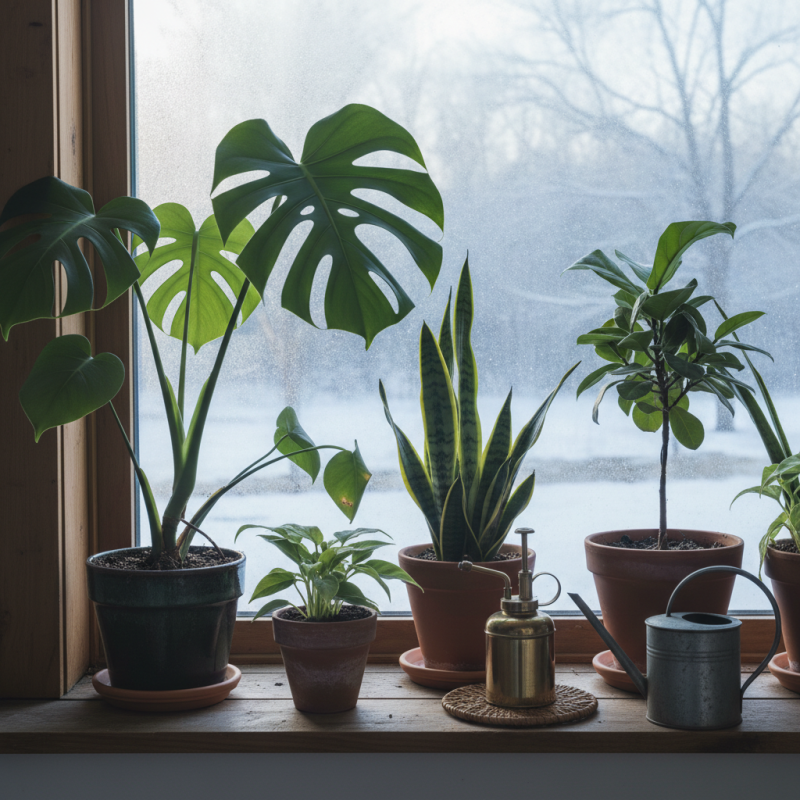
Why Do Indoor Plants Stop Growing in Winter Months?

Factors Affecting Indoor Plant Growth in Winter Months

Indoor plants can struggle during the winter months. Several factors contribute to their slowed growth. One major issue is light. Days become shorter, and natural sunlight diminishes. Many indoor plants thrive on bright light, leading to stunted growth without it.

Temperature is another critical factor. Indoor heating can create warm air but may not be consistent across the room. This could lead to drafts or excessively dry air, adversely affecting plants. They need a stable environment, and fluctuating temperatures can stress them.

Humidity levels also drop during winter. Most indoor plants prefer a humid atmosphere. When air is dry, plants may lose moisture quickly, causing leaves to brown or drop. Understanding these factors can help you better care for your indoor plants. Adjusting light, temperature, and humidity levels may encourage healthier growth throughout winter.

Light Availability and Its Impact on Plant Development

During winter months, many indoor plants experience a noticeable slowdown in growth. This phenomenon largely stems from reduced light availability. In winter, daylight hours are shorter, and the sun's angle is lower. As a result, the light intensity diminishes, impacting plants that rely on sunlight for photosynthesis.

Photosynthesis is crucial for plant development. With less light, plants may struggle to produce energy. Some may even enter a dormant phase. This can lead to yellowing leaves and stunted growth. Even if the light seems adequate to us, it might not be sufficient for certain plant types. Plants like succulents and tropical species can be particularly sensitive to these changes.

Consider adjusting your indoor plant care routine during winter. Moving plants closer to windows can help, but be cautious of cold drafts. Supplementing with grow lights is another option. However, these artificial lights can sometimes be too harsh. You might find a balance that works for you. Observing plant responses to changes can guide you in providing the right environment. It's a constant learning process, and sometimes, you may get it wrong. Each plant is unique, and understanding their needs is essential for healthy growth.

Temperature Fluctuations and Plant Metabolism in Winter

Indoor plants often struggle during the winter months. This is mainly due to temperature fluctuations, which greatly affect plant metabolism. As temperatures drop, many plants enter a dormant phase. This means their growth slows significantly. Research indicates that metabolic processes in plants can decrease by up to 50% when temperatures fall below 15°C (59°F).

Low light conditions worsen the situation. Many plants require bright light to photosynthesize effectively. With shorter days in winter, even the hardiest plants may not get enough light. This can lead to weak growth and leggy stems. According to a report by the American Society for Horticultural Science, inadequate light is among the top reasons for poor indoor plant health during winter.

**Tips:** Keep indoor temperatures consistent. Ideally, maintain a range between 18°C to 24°C (65°F to 75°F). Consider using grow lights to supplement natural light. An added layer of reflection might also help. Ensure your plants receive adequate watering but avoid overwatering, as roots may not absorb water effectively in colder conditions. Always monitor your plants for signs of stress, such as yellowing leaves or stunted growth, so you can adapt your care promptly.

Watering Practices for Indoor Plants During Cold Seasons

During the winter months, indoor plants often face challenges that can impede their growth. One significant factor is the change in watering practices. In colder weather, humidity levels drop, and soil tends to retain moisture longer. Overwatering can lead to root rot, making it essential to adjust your watering routine.

Experts recommend checking the soil's moisture before watering. According to a study by the American Society for Horticultural Science, 70% of indoor plant issues arise from improper watering habits. Letting the top inch of soil dry out before adding more water helps ensure your plants remain healthy without drowning their roots.

Tip: Use a moisture meter to gauge soil conditions accurately. This tool can help avoid guesswork.

Another consideration is water temperature. Cold water can shock plants in winter. Room temperature or lukewarm water is better for indoor plants. Keep in mind that not every plant requires the same amount of water; observing specific needs is crucial.

Tip: Create a watering schedule tailored to each plant species. Noting their specific requirements can prevent common pitfalls like over or underwatering. Balancing moisture levels during winter ensures your indoor garden thrives.

Nutritional Needs of Indoor Plants in Winter Conditions

Indoor plants often face unique challenges during winter months. The drop in temperatures and reduced sunlight can severely impact their growth. Nutritional needs change significantly as plants enter a dormant phase. Many indoor plants require less water, which can lead to overwatering if not monitored closely. Overwatering can result in root rot, stunted growth, or even plant death.

Light is crucial for photosynthesis, yet winter days are shorter. According to a study by the American Society of Horticultural Science, indoor plants can reduce their growth rate by up to 50% in low light conditions. Providing supplemental grow lights can help mitigate this challenge. However, not all plants respond well to additional light. Some may require adjustments in watering and fertilizer. A common mistake is using high-nitrogen fertilizers during winter, which can stimulate unhealthy growth.

Moreover, temperature fluctuations can also stress indoor plants. Many varieties prefer consistent temperatures above 60°F. Sudden cold drafts can hinder nutrient absorption. A research report by the National Gardening Association indicates that proper soil and fertilization can improve resilience to winter stresses. It's essential to assess each plant's specific needs and adapt care routines. Understanding these dynamics helps in maintaining healthy indoor plants throughout the winter.

Indoor Plants Growth Trends in Winter Months

This chart illustrates the average growth rates of indoor plants during the winter months. The data reflects the typical reduction in growth due to lower light levels and temperature changes.

FAQS

: What factors impact indoor plant growth in winter?

: Light, temperature, and humidity levels are critical factors affecting indoor plant growth during winter months.

Why is light important for indoor plants?

Indoor plants need bright light for photosynthesis. Shorter winter days can reduce natural sunlight and stunt their growth.

How does temperature affect indoor plants in winter?

Indoor heating can create drafts and dry air. Plants prefer stable temperatures, and fluctuations can stress them.

What happens if I overwater my plants in winter?

Overwatering can lead to root rot. It’s crucial to adjust your watering routine to prevent drowning the roots.

How can I check if my plant needs watering?

Check the top inch of soil for moisture. Using a moisture meter can greatly help gauge soil conditions accurately.

What type of water should I use for my indoor plants?

Room temperature or lukewarm water is best. Cold water can shock plants during the winter months.

Do indoor plants need the same care in winter?

No, each plant species has unique needs. Observe and create a tailored watering schedule to prevent common pitfalls.

How do nutrients affect indoor plants in winter?

Nutritional needs change; many plants need less water and specific fertilizers. High-nitrogen fertilizers can lead to unhealthy growth.

Can indoor plants survive with less light?

Yes, but their growth may slow by up to 50%. Supplemental grow lights can help, but not all plants respond the same.

What can I do to protect my plants from cold drafts?

Ensure plants are in a consistent temperature environment. Sudden changes can hinder their nutrient absorption and overall health.

Conclusion

Indoor plants often experience a slowdown in growth during the winter months, leading to the question, "Why do indoor plants stop growing in the winter months?" Several factors contribute to this phenomenon. First, decreased light availability significantly impacts plant development, as many indoor plants require ample sunlight for photosynthesis. Additionally, temperature fluctuations can affect plant metabolism, slowing down their growth processes as they adapt to cooler indoor conditions.

Moreover, appropriate watering practices become crucial during colder seasons. Overwatering can lead to root rot, while underwatering can hinder growth. Finally, the nutritional needs of indoor plants change in winter, as they may require different levels of nutrients to thrive. Understanding these factors can help plant owners make necessary adjustments to support their indoor plants through the winter months.

Isabella

Isabella

Isabella is a dedicated marketing professional with a sharp focus on driving brand growth and engagement through strategic content creation. With an extensive background in digital marketing, she combines her passion for storytelling with her keen understanding of industry trends to deliver......