Indoor plants are becoming more than decorative accents in 2026. They bring quiet movement, softer colors, and living texture into rooms filled with screens, noise, and deadlines. A pothos trailing from a shelf or a snake plant beside the bed can make a space feel less sterile. Small changes can matter.
Why does being around plants reduce stress and anxiety? Research points to several possible reasons. Natural forms may attract attention without demanding effort. This gentle focus can interrupt repetitive thoughts and mental fatigue. Green spaces may also support calmer breathing, lower perceived stress, and improved emotional recovery. However, plants are not a cure for anxiety. Their effects differ between people, rooms, and daily habits.
Dr. Qing Li, a physician and leading forest-medicine researcher, explains, “Forest bathing is not exercise, or hiking, or jogging. It is simply being in nature, connecting with it through our five senses.” Indoor gardening cannot fully reproduce a forest. Still, touching moist soil, noticing a new leaf, or smelling herbs can create a brief sensory pause. That pause is valuable.
The best choices for stress relief may include lavender, jasmine, aloe vera, spider plants, and peace lilies. Yet plant care can also become another responsibility. I have learned that a neglected plant may increase guilt instead of comfort. Choose low-maintenance varieties, place them near natural light, and observe how your mood changes over several weeks. Personal experience matters, but credible evidence matters too. Pay attention. The results may be quieter than expected.
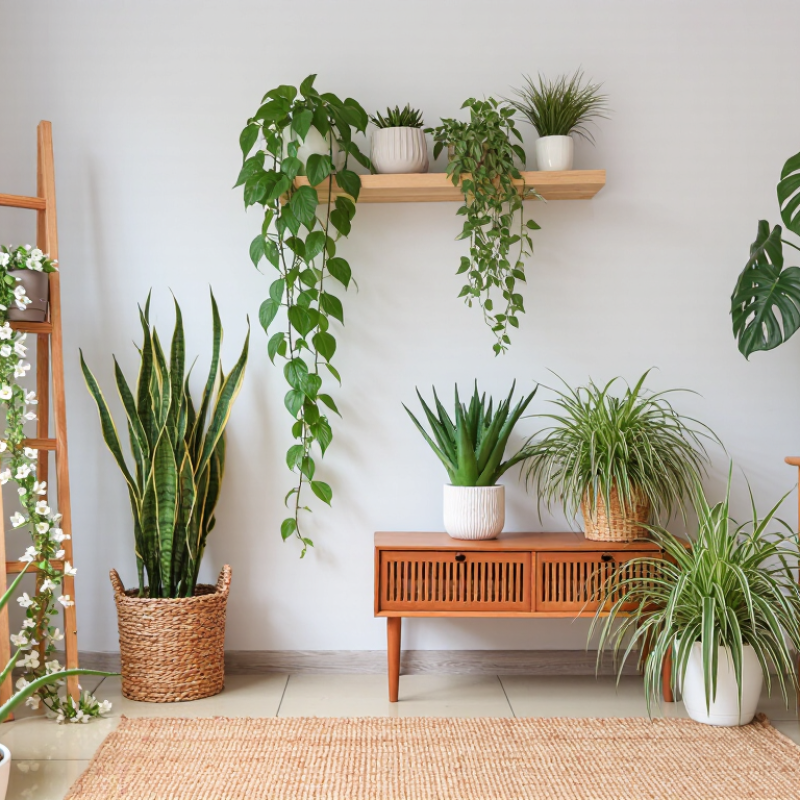
Indoor plants may ease stress through several modest pathways, not magical healing. Biophilia describes our tendency to respond positively to living forms, natural patterns, and growing light. A pothos trailing beside a monitor or a snake plant in a quiet corner adds movement to a rigid room. Studies of indoor greenery often report lower perceived stress and improved mood, though methods vary. Evidence remains mixed.
Plants can also support attention. Looking at a leaf’s veins gives the mind a brief, low-demand pause from notifications and unfinished tasks. This soft fascination may help mental recovery during long screen sessions. I find small care routines useful: checking dry soil, rotating a pot, or wiping dust from broad leaves. The effect is easy to overstate. A neglected plant can create guilt instead.
Scentworks differently. Fragrant herbs or flowering plants may trigger pleasant memories and encourage slower breathing for some people. Yet fragrance can cause headaches, allergies, or irritation, so choose lightly scented plants carefully. Ventilation matters. Keep soil surfaces clean, remove dead leaves, and place each plant where its light needs are realistic. A peaceful corner needs care, not perfection. Some days, an easier plant is the healthier choice.
Indoor plants are often presented as quiet tools for stress relief, but the strongest claim needs careful wording.
A 2015 study examined how caring for plants affected stress responses. Participants transplanted a plant or completed a computer task. After plant care, researchers recorded lower blood pressure and pulse activity. Participants also reported feeling more comfortable and relaxed.
The activity was simple and physical. Fingers pressed soil around roots. Leaves shifted under gentle handling. This slower rhythm may have helped the body move away from stress-related alertness. The study suggests that plant care, not only plant presence, may matter. However, the sample was small and focused on young men. One short experiment cannot prove that every indoor plant reduces stress.
For a practical trial, choose forgiving plants such as pothos, snake plants, or spider plants. Water slowly. Wipe dusty leaves. Notice your breathing for five minutes. Do not treat this routine as medical care. Some people may find plant maintenance calming, while others may dislike soil, insects, or regular watering. That difference matters. A plant can become another obligation when care is too demanding. The most useful choice may be the plant you can handle without pressure.
Indoor plants can make a stressful room feel gentler, especially when care becomes a brief daily pause. The 2026 shortlist includes lavender, jasmine, aloe vera, spider plant, and pothos. Lavender and jasmine are valued for their fragrance, which may support relaxation before sleep. However, scent preferences vary. Strong aromas can distract some people.
A 2015 study in the Journal of Physiological Anthropology reported that interacting with indoor plants may reduce stress-related physiological activity. The NASA Clean Air Study also tested spider plant and pothos for removing certain volatile compounds in sealed chambers. That finding is useful, but it does not prove that one pot will purify a normal home. Ventilation still matters. Aloe vera offers thick, sculptural leaves and tolerates occasional missed watering. It suits bright windows and busy schedules.
Spider plant and pothos are forgiving choices for beginners. Their green leaves can soften desks, shelves, and quiet corners without demanding constant attention. Lavender needs strong light and careful watering. Jasmine usually needs more humidity and support as it grows. Plant care is not always calming. Wilting leaves, pests, or poor light can create another task. A small pot may work better than an indoor jungle. Choose one plant, observe the room, and adjust slowly.
| Plant | Potential Stress-Relief Benefit | Relevant Natural Feature | Light Requirement | Watering Guidance | Care Difficulty | Pet Safety | Best Indoor Placement |
|---|---|---|---|---|---|---|---|
| Lavender Lavandula angustifolia |
Its fragrance may promote relaxation and improve perceived sleep quality for some people. Individual responses to scent vary. | Sweet, floral aroma from naturally occurring essential oils in the foliage and flowers. | Bright direct light About 6–8 hours daily |
Allow the top layer of soil to dry between waterings. Avoid consistently wet soil. | ★★★☆☆ Moderate | Generally considered non-toxic to cats and dogs, but ingestion may still cause mild stomach upset. | Sunny windowsill, balcony door, or bright home office. |
| Jasmine Jasminum species |
Its floral scent may support a calmer mood and help create a relaxing evening environment. | Fragrant white or pale flowers, especially noticeable during the blooming period. | Bright indirect to direct light Several hours of strong light |
Keep soil lightly moist during active growth, while avoiding waterlogged conditions. | ★★★★☆ Moderately demanding | Safety depends on the exact species; verify the botanical name before placing it near pets. | Bright bedroom or living-room window with good air circulation. |
| Aloe Vera Aloe barbadensis miller |
Caring for a low-maintenance succulent can provide a calming routine and a visible connection with nature. | Fleshy leaves store water, making the plant relatively tolerant of occasional missed watering. | Bright indirect light Some gentle direct sun is acceptable |
Water thoroughly only after the soil has dried out. Use a pot with drainage. | ★★☆☆☆ Easy | Potentially toxic to cats and dogs if eaten; keep out of reach of pets. | Bright kitchen, study, or sunny living-room shelf. |
| Spider Plant Chlorophytum comosum |
Its fast growth and trailing plantlets can make indoor spaces feel more lively and rewarding to care for. | Arching leaves and small “spiderette” plantlets that develop on long stems. | Bright indirect light Tolerates moderate light |
Water when the upper 2–3 cm of soil feels dry. Reduce watering in lower light. | ★☆☆☆☆ Very easy | Generally considered non-toxic to cats and dogs, although chewing the leaves can cause mild stomach upset. | Hanging basket, bookcase, or workspace with filtered daylight. |
| Pothos Epipremnum aureum |
Its vigorous growth and simple care routine may support a sense of accomplishment and a greener indoor atmosphere. | Heart-shaped, trailing foliage available in green and variegated forms. | Low to bright indirect light Variegated forms need more light |
Let the top 2–5 cm of soil dry before watering. Avoid leaving the roots in standing water. | ★☆☆☆☆ Very easy | Potentially toxic to cats and dogs because it contains insoluble calcium oxalates; keep away from pets and children. | High shelf, hanging planter, or office corner with indirect daylight. |
Note: Indoor plants may support relaxation by adding nature, scent, visual interest, and a manageable care routine, but they are not a substitute for professional mental-health care. Light and watering needs can vary with the season, container, soil, and indoor climate.
2026 Top Indoor Plants for Stress Relief: Why Do They Help?
The strongest case for indoor plants is psychological, not air purification. Green foliage, quiet care routines, and natural textures may reduce mental fatigue and support calmer attention. A small plant beside a monitor can create a visible pause during a difficult afternoon. It is not therapy.
NASA’s Clean Air Study, published in 1989, tested plants inside sealed chambers. Researchers measured pollutants including formaldehyde, benzene, and trichloroethylene. These results are often quoted as household proof, but the test conditions were highly controlled. Real rooms leak air, contain changing pollutant sources, and receive ventilation. That difference matters.
Indoor-air reports add caution. The U.S. Environmental Protection Agency reports that indoor pollutant levels can be two to five times higher than outdoor levels, and sometimes much higher. Yet a 2019 review in the Journal of Exposure Science & Environmental Epidemiology found that ordinary ventilation usually removes pollutants faster than potted plants. Its estimates suggested roughly 10 to 1,000 plants per square metre might be needed to match typical air exchange. That is impractical. More importantly, damp soil can encourage mold when watering is careless. My own experience is less dramatic: one healthy plant makes a room feel gentler, while cleaner air usually comes from ventilation, source control, and filtration. The popular NASA claim needs more reflection.
Choosing indoor plants for stress relief means checking conditions, not just appearance. Low-maintenance plants may support calming routines, but they do not treat anxiety. A pothos can tolerate low light, yet chewing its leaves may irritate the mouth. Spider plants prefer bright, indirect light and evenly moist soil. Overwatering remains a common failure. Sometimes, the plant still declines.
For a practical 2026 selection, match each plant with a window, watering habit, and household risks. Use pots with drainage holes, and let the top two or three centimeters of soil dry before watering again. Poor airflow and constantly wet soil can encourage mold, which may aggravate allergies. Wipe dusty leaves with a damp cloth and wear gloves if your skin reacts easily. Flowering plants can release pollen, so fragrance is not always harmless.
Pet safety needs separate checking. Species such as peace lilies, pothos, philodendrons, and dieffenbachia contain irritating calcium oxalates. Aloe can also cause problems for cats and dogs if eaten. True lilies are especially dangerous to cats, even in small amounts. Keep questionable plants behind closed doors, not merely on a high shelf. Before purchase, confirm the exact species through a current veterinary poison database or local horticultural service. “Non-toxic” labels can be incomplete, and I would not rely on memory alone.
Biophilia is our positive response to living forms, natural patterns, and growing light. A trailing vine beside a monitor softens a rigid room. Studies often report lower perceived stress, but evidence remains mixed.
Leaf veins offer a brief, low-demand pause from notifications and unfinished tasks. This soft fascination may support mental recovery. It is not a guaranteed reset.
Check dry soil, rotate a pot, or wipe broad leaves with a damp cloth. Small actions help some people. A neglected plant may create guilt instead.
No. Fragrant herbs or flowers may evoke pleasant memories and slower breathing. Strong smells can cause headaches, allergies, or irritation. Ventilate the room. Less scent may be wiser.
Match the plant with actual window light, watering habits, and household risks. Use a pot with drainage holes. Appearance alone is a poor guide.
Let the top two or three centimeters of soil dry before watering again. Constantly wet soil can encourage mold. Overwatering is common. Sometimes the plant still declines.
Keep soil surfaces clean and remove dead leaves. Improve airflow and wipe dusty leaves regularly. Flowering plants may release pollen. Wear gloves if your skin reacts easily.
Confirm the exact species through a current veterinary poison database or local horticultural service. Keep questionable plants behind closed doors. A high shelf may not be enough. Some safety labels are incomplete. Never rely on memory alone.
Indoor plants may support calmer moods through several pathways. Biophilia—the human tendency to feel connected to nature—can make indoor spaces feel more restorative, while caring for a plant encourages gentle attention and a break from stressful thoughts. Fragrance may also influence relaxation, especially from plants such as lavender and jasmine. Why does being around plants reduce stress and anxiety? Research suggests that viewing greenery and engaging in simple plant-care routines may lower perceived stress and reduce some physical stress responses; a 2015 study reported benefits associated with caring for plants.
For 2026, lavender, jasmine, aloe vera, spider plant, and pothos are practical choices, but each requires different light and watering conditions. Evidence about indoor air cleaning is promising in controlled settings, yet ordinary homes may not receive the same results, so ventilation remains important. Before choosing a plant, consider maintenance needs, allergies, toxicity, and household pets. A suitable, well-cared-for plant is more likely to provide lasting comfort than one that cannot thrive in its environment.

Sativa Plant