Sharing a home with pets means treating every decorative plant as a possible health decision. Many hazards hide behind attractive leaves, fragrant flowers, or colorful berries. The ASPCA Animal Poison Control Center’s annual reporting consistently includes plant exposures among common household poisoning concerns. Pet Poison Helpline resources also emphasize that toxicity depends on species, dose, plant part, and the animal’s size.
What common houseplants are toxic to cats and dogs? The answer is not a simple list. Lilies can cause life-threatening kidney injury in cats, even from small amounts of pollen. Sago palms may trigger severe liver damage in dogs and cats. Dieffenbachia, pothos, and philodendron can cause painful mouth irritation, drooling, and swallowing problems. A chewed leaf beside a water bowl may provide an important clue.
This guide, “7 Tips to Identify Houseplants Toxic to Cats and Dogs,” turns veterinary guidance into practical checks. It explains how to read plant labels, compare botanical names, inspect leaves and fallen debris, and photograph suspicious evidence. ASPCA toxic plant databases and veterinary poison-control guidance offer useful starting points, but online lists are not perfect. Plant varieties differ. Common names can mislead.
Do not wait for dramatic symptoms. Vomiting, weakness, tremors, breathing changes, or reduced urination require prompt veterinary advice. Keep the plant container, label, and a clear photograph nearby. Never induce vomiting without professional direction. A safer home begins with careful observation, reliable sources, and a willingness to reconsider what “harmless décor” really means.
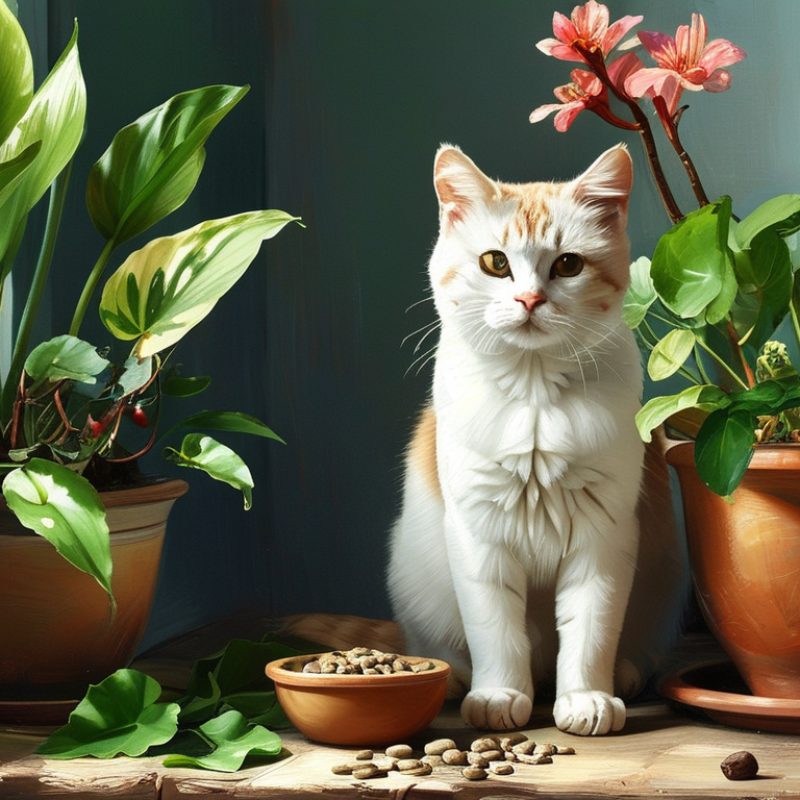
Before bringing any houseplant home, identify its exact species. A common name can hide several unrelated plants, each with different risks for cats and dogs. Check the plant tag, scientific name, leaf shape, stem texture, flower pattern, and growth habit. Photographing the leaves and flowers can help confirm details later.
Do not rely on a quick image search alone. Compare the plant with information from a botanical garden, university extension service, or veterinary poison resource. Look for warnings about leaves, sap, flowers, roots, and seeds. Some plants are dangerous only when chewed, while others may irritate skin or cause serious illness after ingestion. If the seller cannot provide the species name, leave the plant at the shop.
A plant can also be mislabeled. I once trusted a familiar nickname and nearly missed an important species difference. That mistake changed my checking routine. Now I verify the name twice, then ask a veterinarian about uncertain plants. Keep the receipt and a clear photo of the plant after purchase. If a pet bites it, those details can help a clinic respond faster. Curiosity matters here. A beautiful plant is not automatically a safe one.
Houseplant labels are not enough when cats or dogs share your home. Reliable toxicity checking begins with the plant’s scientific name, not a nickname such as “lily” or “palm.” Search veterinary poison-control databases, university extension pages, and peer-reviewed veterinary references. Compare at least two sources. One source can be outdated.
A 2023 annual report from a U.S. veterinary poison-control center recorded more than 330,000 animal exposure consultations. This figure covers all exposures, not plants alone, but it shows why quick verification matters. Check the toxic plant part, likely dose, symptoms, and the affected species. Some plants harm cats more severely than dogs. Save a clear photo, keep the packaging, and record when chewing occurred. Do not rely on social media comments or search snippets. They often omit dose information. Contact a licensed veterinarian or veterinary poison service when symptoms appear, including drooling, vomiting, weakness, tremors, or breathing changes. Avoid inducing vomiting unless a professional specifically directs it. I once assumed a “safe” plant list was complete; it was not. Botanical names and regional varieties can change the risk. Recheck every plant after bringing it home.
Check reliable toxicity sources before bringing a houseplant into a pet-friendly home.
Toxicity can vary by plant species, plant part, dose, and the animal’s size. True lilies are especially dangerous to cats, while sago palm and oleander can cause severe poisoning in both cats and dogs. A zero indicates that the plant is generally listed as non-toxic for that animal, not that it is safe to eat. Confirm the exact species with a current veterinary toxicity reference and contact a veterinarian promptly after suspected ingestion.
Identifying a toxic houseplant requires more than checking its name. Examine the leaves, stems, flowers, roots, seeds, and sap separately. Some plants concentrate harmful compounds in one part. Others are dangerous throughout their tissues. A plant may look harmless while its bulb contains the greatest risk. Keep pets away during pruning, too. Freshly cut stems can release irritating sap onto fur, paws, or curious noses.
Watch for specific substances. Calcium oxalate crystals can cause sudden mouth pain, drooling, and pawing at the face. These crystals occur in several popular foliage plants. Certain plants contain cardiac glycosides, which may affect heart rhythm after chewing. Some bulbs contain compounds linked to vomiting, weakness, or tremors. Lilies deserve special caution around cats because even small amounts of some species can damage the kidneys. Pollen and vase water may also matter.
Read the full botanical name when possible. Common names are confusing and sometimes shared by unrelated plants. Check a reliable veterinary poison reference before bringing a plant indoors. Do not rely only on a nursery tag. Tags can be incomplete. I have found that photographing each plant, including its roots and label, makes identification easier. If chewing occurs, remove plant pieces from the mouth, save a sample, and contact a veterinarian promptly. Do not induce vomiting unless a professional specifically advises it.
When a pet chews a houseplant, the symptoms can reveal more than the damaged leaves. Start with timing. Drooling, lip smacking, and pawing at the mouth often follow contact with plants containing irritating crystals. Swollen lips may appear quickly. Vomiting can follow.
Look for patterns, not one isolated sign. Repeated vomiting, diarrhea, weakness, or a painful belly may indicate broader poisoning. Tremors, unusual sleepiness, breathing trouble, or an irregular heartbeat require urgent veterinary attention. Some plants affect specific organs. Lily exposure in cats can lead to severe kidney injury, while certain palms may cause liver damage. Symptoms may develop late.
Do not rely on a quick internet image match. Plant names vary, and similar leaves can hide very different risks. Photograph the whole plant, its leaves, and any flowers. Save a small sample only if it can be handled safely. Record when chewing occurred and estimate the missing amount. Never induce vomiting unless a veterinarian directs you. Contact a veterinary professional promptly, even if your pet seems normal. Early advice can matter. Yet symptoms alone cannot confirm the plant involved. A careful owner can still miss a small bite, a fallen leaf, or a delayed reaction. That uncertainty deserves honest attention.
| Tip | Plant Examples to Check | Potentially Toxic Parts | Symptoms That May Suggest Exposure | Typical Risk Pattern | Immediate Response |
|---|---|---|---|---|---|
| 1Check whether the plant is a true lily. | True lilies such as Asiatic, Easter, Oriental, and tiger lilies; daylilies are also dangerous to cats. | Leaves, flowers, pollen, and even small amounts of plant material or contaminated water. | Vomiting, drooling, reduced appetite, lethargy, increased or decreased urination, and possible kidney failure in cats. | Emergency for cats. Serious kidney injury can develop within 24–72 hours. Dogs may experience stomach upset but are not affected in the same way as cats. | Remove access and seek emergency veterinary care immediately. Do not wait for symptoms and do not induce vomiting unless a veterinary professional instructs you to do so. |
| 2Look for plants with needle-like calcium oxalate crystals. | Philodendron, pothos, dieffenbachia, peace lily, and calla lily. | Usually all parts, especially leaves and stems. | Sudden mouth pain, pawing at the mouth, intense drooling, swollen lips or tongue, gagging, vomiting, and difficulty swallowing. | Usually moderate. Airway swelling is uncommon but can become life-threatening. | Rinse the mouth gently with water if safe to do so, prevent further chewing, and contact a veterinarian if swelling, breathing problems, persistent vomiting, or difficulty swallowing occurs. |
| 3Identify plants that can affect the liver. | Sago palm and other cycads. | Seeds are especially dangerous, but leaves, roots, and other parts may also be toxic. | Vomiting, diarrhea, weakness, loss of appetite, abdominal pain, jaundice, bruising, seizures, or collapse. | Potentially life-threatening for cats and dogs. Liver failure and bleeding complications may occur after an initially mild illness. | Treat any suspected ingestion as an emergency. Veterinary assessment, blood tests, and monitoring may be needed even when the pet initially appears normal. |
| 4Watch for plants linked to gastrointestinal and neurologic signs. | Dracaena, corn plant, and dragon tree. | Leaves and stems. | Vomiting, drooling, weakness, depression, loss of appetite, abdominal discomfort, and dilated pupils, particularly in cats. | Usually moderate, but severity depends on the amount eaten and the pet's size. | Remove plant material from the environment, keep a sample or clear photograph for identification, and contact a veterinarian for individualized advice. |
| 5Do not assume succulents are automatically safe. | Aloe vera, kalanchoe, and jade plant. | Leaves and sap; kalanchoe flowers and leaves can be important sources of exposure. | Aloe may cause vomiting, diarrhea, lethargy, or tremors. Kalanchoe may cause vomiting, diarrhea, weakness, and, rarely, abnormal heart rhythm. Jade may cause vomiting, depression, or incoordination. | Variable. Most cases cause stomach or neurologic signs, while kalanchoe can occasionally cause serious cardiac effects. | Monitor closely for repeated vomiting, weakness, collapse, breathing changes, or an irregular heartbeat, and seek prompt veterinary care if any of these occur. |
| 6Match the timing and symptom cluster to the plant. | Any unidentified indoor plant, including newly purchased, gifted, or cut plants. | Potentially any part of the plant, plus fertilizer, pesticide, or water from a vase or decorative container. | Rapid mouth irritation suggests an oxalate-containing plant; repeated vomiting or diarrhea may follow gastrointestinal irritants; delayed lethargy, jaundice, or reduced urination can indicate organ injury. | Symptoms overlap. A symptom match can raise suspicion but cannot confirm the plant or determine the severity. | Record the time of exposure, estimated amount, pet weight, symptoms, and plant photographs. Do not rely on online symptom matching alone for treatment decisions. |
| 7Verify the plant before bringing it into the home. | Use the plant's scientific name when possible, because common names can refer to different species. Keep high-risk plants out of homes with curious cats or dogs. | Check the whole plant, fallen leaves, cuttings, bulbs, seeds, and vase water. | Any sudden vomiting, drooling, mouth swelling, weakness, tremors, seizures, breathing difficulty, collapse, jaundice, or changes in urination after plant access should be taken seriously. | Urgent if severe or rapidly worsening signs occur. Young, elderly, small, or medically fragile pets may be more vulnerable. | Contact a veterinarian or emergency animal hospital. Bring the plant or a clear photo and packaging information. Never give home remedies or induce vomiting without professional direction. |
Many homes contain plants that look harmless but can injure cats or dogs. The American Pet Products Association’s 2023–2024 survey estimates that 66% of U.S. households have a pet. Plant safety deserves daily attention. Check every plant’s scientific name, not only its common name. Similar names can hide very different risks. Veterinary poison-control guidance identifies lilies as a severe emergency for cats, because small amounts may cause acute kidney failure. Keep lilies out of bouquets, gardens, and shared rooms.
Choose safer alternatives, such as spider plants, African violets, or Boston ferns, after checking current veterinary references. Place plants on stable shelves, away from jumping routes and wagging tails. Use closed doors for seedlings, cuttings, and fallen leaves. Inspect the floor each evening. A single chewed leaf can matter. Do not assume an outdoor plant is safer indoors. Some species remain toxic after drying.
Read care tags before buying. Photograph unfamiliar plants for accurate identification. Ask a veterinarian before bringing decorative branches inside. In practice, the pot label is often incomplete, and online lists sometimes disagree. That is uncomfortable, but it matters. If chewing occurs, remove access, save a leaf sample, and contact a veterinarian or certified animal poison service promptly. Do not induce vomiting unless a veterinary professional instructs you. The 2023 annual report from a veterinary poison-control center also places household plants among recurring animal-exposure concerns, showing how easily prevention can fail.
: Common names can describe several unrelated plants. Check the scientific name, leaf shape, stem texture, flowers, and growth habit. Do not guess. If the seller cannot confirm the species, leave the plant behind.
Not reliably. Similar leaves may belong to plants with different risks. Compare photographs with trusted botanical and veterinary references. Check warnings about leaves, sap, flowers, roots, and seeds.
Drooling, lip smacking, mouth pawing, and swollen lips may appear quickly. Vomiting, diarrhea, weakness, tremors, sleepiness, or breathing trouble can follow. Symptoms may develop late. Timing matters.
Seek urgent help for breathing difficulty, tremors, severe weakness, repeated vomiting, or unusual heart rhythms. Some plants can seriously affect the kidneys or liver. Contact a veterinary professional even if your pet seems normal.
Photograph the whole plant, leaves, flowers, and damaged area. Record when chewing happened and estimate the missing amount. Keep the receipt and plant label. Small details help.
No. Never induce vomiting unless a veterinary professional instructs you. Remove the plant from reach. Save a safely handled leaf sample if possible. Then contact a veterinarian or certified animal poison service.
Spider plants, African violets, and Boston ferns may be safer alternatives. Check current veterinary references before buying them. No plant should be treated as automatically harmless.
Place plants on stable shelves away from jumping routes and wagging tails. Use closed doors for seedlings, cuttings, and fallen leaves. Inspect the floor each evening. One fallen leaf can matter.
Not necessarily. Some plants remain harmful after drying. Ask a veterinary professional before bringing decorative branches inside. I might still miss a small leaf sometimes, so daily checks remain necessary.
Learning which plants may harm pets is an important step before adding greenery to your home. To answer “What common houseplants are toxic to cats and dogs?”, first identify each plant by its accurate species name, since similar-looking varieties can have very different safety profiles. Check dependable veterinary or animal-poison reference sources, and review whether the danger comes from the leaves, stems, flowers, bulbs, sap, or seeds. Some plants may cause mild irritation, while others can affect digestion, breathing, the heart, or the nervous system.
Watch for signs such as drooling, vomiting, diarrhea, mouth irritation, weakness, unusual behavior, or difficulty breathing after possible exposure. If symptoms appear, contact a veterinarian promptly and provide the plant’s name or a clear photo. Whenever possible, choose pet-friendlier alternatives, keep plants out of reach, remove fallen leaves, and teach household members not to let cats or dogs chew on unfamiliar greenery.

Sativa Plant