10 Essential Tips to Build a Self Sustaining Closed Terrarium?

Time:2026-06-19 Author:Madeline
0%

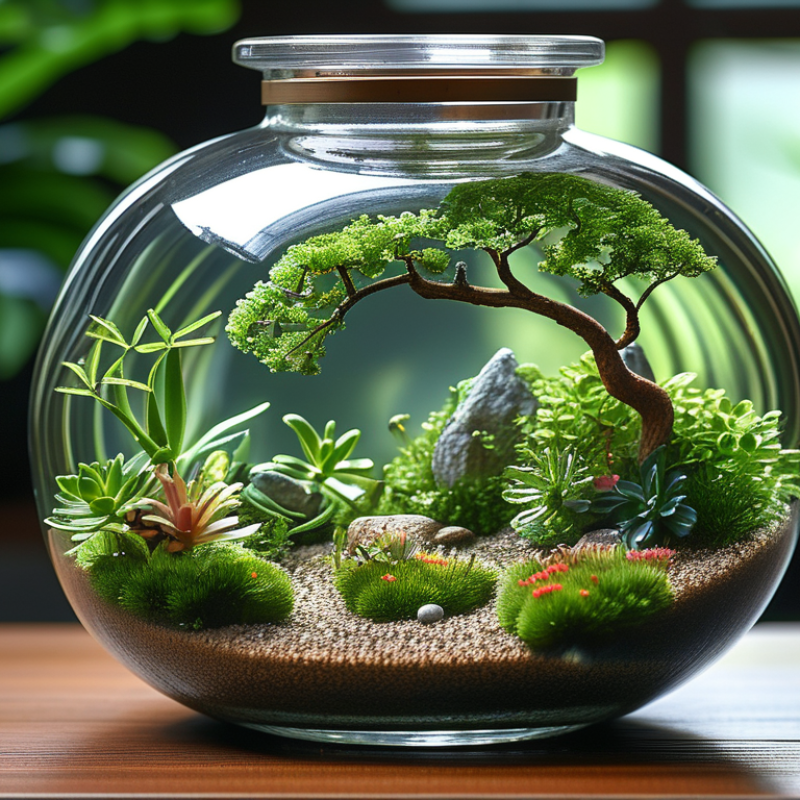
Creating a self-sustaining closed terrarium is a rewarding project for any plant enthusiast. Learning how to build a self-sustaining closed terrarium? This process involves integrating nature’s cycles into a glass container. It offers a unique ecosystem that thrives independently, capturing the beauty of nature indoors.

To build a successful terrarium, understanding the balance of light, moisture, and plant selection is crucial. The right choice of plants can make or break your ecosystem. Common plants like moss, ferns, and small succulents are excellent options. However, it's important to appreciate the challenges. Overwatering or insufficient light can lead to mold and plant decay.

Mistakes are part of the journey. You may need to adjust your setup a few times before achieving stability. Monitoring your terrarium closely helps in understanding its needs. This hands-on experience develops a deeper connection with your green inhabitants. Embrace the learning curve, and you will create a beautiful, self-sufficient world within glass.
10 Essential Tips to Build a Self Sustaining Closed Terrarium?

Choosing the Right Container for Your Closed Terrarium

When creating a closed terrarium, selecting the right container is crucial to your success. Glass containers are the most popular choice. They allow light penetration and provide a clear view of your plants. Choose a container with a wide opening; this simplifies the planting process and allows for easy maintenance. A closed lid helps maintain humidity, essential for plant health.

Consider the size of your container. Smaller containers can restrict plant growth. Larger containers provide more space but may require more care. The shape also matters; round containers promote better air circulation. Avoid overly tall containers, as humidity can gather at the top, leaving lower plants undernourished.

Tip: Be mindful of the types of plants you select. Some thrive in high humidity while others prefer drier conditions. Research plant compatibility so they can coexist happily in your terrarium. Another important tip is to observe your terrarium regularly. Changes in moisture levels or plant health can signal issues that require attention. Your container choice shapes the ecosystem inside; make sure it's a nurturing environment for your green companions.

Selecting Suitable Plants for a Self-Sustaining Ecosystem

Choosing the right plants is crucial for creating a self-sustaining terrarium. According to a report by the American Horticultural Society, using native plants can enhance ecosystem resilience. They are adapted to local conditions, ensuring better survival and growth.

Low-maintenance plants like ferns, mosses, and succulents are ideal candidates. They thrive in humid environments and require minimal light. Succulents, such as haworthia, can persist through dry spells. This adaptability makes them great for terrariums. However, relying solely on one type may lead to an imbalanced ecosystem. Diversity is essential.

Monitoring soil moisture and light levels is vital. Some plants might grow too large, overshadowing others. Regular pruning can maintain balance. Ensure each species has its space to thrive. A study published in the Journal of Environmental Horticulture emphasizes the importance of plant competition in closed ecosystems. This can lead to unexpected outcomes. Consider experimenting with different plant combinations to find the best balance.

Creating the Ideal Layering Structure for Soil and Drainage

Creating a self-sustaining closed terrarium begins with the right layering structure. The ideal setup balances soil and drainage layers. Start with small stones at the base for drainage. This prevents excess water from building up and keeps the roots healthy. The stones should be about one inch deep. Over this, add activated charcoal. It helps filter the water and control odors. A layer of charcoal ensures a clean environment for your plants.

Next, the soil layer is crucial. Use a well-draining potting mix that supports plant growth. The soil should be thick enough for roots to thrive—typically around two to three inches deep. When layering soil, it's essential to avoid compacting it too tightly. This allows air to circulate freely, promoting healthy root development. Consider mixing in some organic matter. This enhances nutrients but can also lead to quick decomposition.

Don't forget to include visual elements. Adding decorative rocks or moss on top can enhance the terrarium's aesthetic. However, remember that too much decoration may hinder plant growth. Monitor the moisture levels carefully. Overwatering can create a swampy environment that suffocates your plants. Regular observation and adjustment are vital for long-term success. Creating a balance in your terrarium's layers is an ongoing process, but it's rewarding.

Maintaining Proper Humidity and Temperature Levels

Maintaining proper humidity and temperature is crucial for a self-sustaining closed terrarium. These environments need a balance to thrive. Most plants prefer humidity between 60% and 80%. A high humidity level supports transpiration, helping plants to absorb nutrients effectively. However, excessive humidity can lead to mold growth, which is a common challenge.

Temperature control is equally important. A range of 65°F to 75°F is ideal for most terrarium plants. A temperature too high can stress the flora. Conversely, temperatures below 60°F may hinder their growth. Regular checks with a thermometer and hygrometer will help ensure the right levels.

Keep in mind that each terrarium is unique. Factors such as plant type and container size will affect your specific environment. Experimentation is necessary to achieve balance. It's common to observe fluctuations in humidity and temperature, especially after watering. Adjusting variables based on observations will enhance plant health. Embrace the learning curve, as terrarium care is a journey.

10 Essential Tips to Build a Self Sustaining Closed Terrarium

Tip Number Tip Description
1 Choose the Right Jar Select a clear, sealable glass jar to allow light in while keeping moisture trapped.
2 Layering Materials Create layers with stones, charcoal, and soil for drainage and nutrients.
3 Select Suitable Plants Choose low-maintenance plants that thrive in a humid environment, like mosses and ferns.
4 Humidity Control Ensure proper humidity levels by monitoring condensation and adjusting the jar's seal.
5 Temperature Regulation Place the terrarium in a location with indirect sunlight to maintain temperature.
6 Water Sparingly Only water when the soil is dry, as excess water can lead to mold.
7 Avoid Overcrowding Space plants adequately to allow air circulation and prevent disease.
8 Regular Maintenance Trim dead leaves and maintain soil health to keep the ecosystem balanced.
9 Monitor for Pests Check regularly for pests and remove them promptly to protect your plants.
10 Enjoy the Process Take time to enjoy watching your terrarium grow and evolve over time.

Monitoring the Closed System for Health and Growth Issues

Monitoring a closed terrarium demands attention to detail. Regularly check the humidity and temperature inside the glass. Ideal conditions help plants thrive. Notice if condensation builds up too heavily on the walls. This may indicate excessive moisture. Alternatively, dry soil can signal a lack of water. Adjusting these elements is crucial for success.

Watch your plants closely for signs of distress. Discoloration or wilting may indicate poor health. Fungal growth can also appear if the environment is too humid. If you notice these issues, try opening the lid for a few hours. This helps in regulating moisture and improving air circulation.

Keeping a closed terrarium healthy is an ongoing process. Expect to make adjustments and learn from setbacks. Sometimes, plants may outgrow their space. This requires careful pruning or relocating plants. It's essential to observe and adapt, ensuring a balanced ecosystem. Your terrarium will reward you with vibrant growth if you pay attention.

FAQS

: What is the first layer for a terrarium?

: Start with small stones at the base. They should be about one inch deep for drainage.

Why is activated charcoal important?

It filters water and controls odors. Charcoal creates a clean environment for your plants.

How deep should the soil layer be?

The soil should typically be around two to three inches deep for healthy root growth.

Why should soil not be compacted tightly?

Loose soil allows air to circulate freely, which promotes healthy root development.

What should I consider for aesthetics in my terrarium?

Adding decorative rocks or moss can enhance the look. But too much may hinder plant growth.

How can I monitor humidity levels?

Regularly check humidity levels. Aim for 60% to 80%, as it supports nutrient absorption.

What temperature range is ideal for terrarium plants?

The ideal temperature is between 65°F and 75°F. Extreme temperatures can stress plants.

What signs indicate my plants may be unhealthy?

Look for discoloration or wilting. Fungal growth may suggest the environment is too humid.

How should I adjust the terrarium if condensation builds up?

Open the lid for a few hours. This regulates moisture and improves air circulation.

Is maintaining a terrarium a straightforward process?

No, it's an ongoing process. You will need to observe, adjust, and learn from any setbacks.

Conclusion

Creating a self-sustaining closed terrarium requires careful planning and execution. First, the choice of the right container is crucial, as it impacts both aesthetics and functionality. Selecting suitable plants that can thrive in a closed ecosystem is the next step; opting for low-maintenance species ensures a more manageable environment. It's essential to establish an ideal layering structure that incorporates soil and drainage layers to promote healthy growth.

To successfully maintain your terrarium, you'll need to monitor humidity and temperature levels consistently, as these factors significantly influence plant health. Regular observation of the closed system is vital to identify any growth issues or signs of distress in the ecosystem. By following these guidelines, anyone can learn how to build a self-sustaining closed terrarium that thrives over time.

Madeline

Madeline

Madeline is a dedicated marketing professional with a wealth of expertise in our company's core offerings. With a keen understanding of the industry, she brings a unique perspective to her role, consistently delivering high-quality content that highlights the superior aspects of our products. As......