10 Easy Tips to Start a Vegetable Garden in Your Apartment?

Time:2026-05-28 Author:Oliver
0%

With urban living on the rise, many individuals seek ways to incorporate nature into their apartments. In fact, recent reports indicate that over 35% of city dwellers are interested in home gardening. If you’re one of them, you might be wondering, "How to start a vegetable garden in a small apartment?" Indoor gardening can be both rewarding and beneficial to your well-being.

Growing vegetables in limited space is a challenge, but it’s not impossible. Experts recommend starting small. Use containers or vertical gardening techniques to maximize your space. Research shows that even small pots yield significant produce—a balcony or windowsill can provide fresh salad greens and herbs. However, it’s important to acknowledge potential pitfalls, such as insufficient light or poor soil.

Gaining knowledge from trusted sources is crucial. Many gardening organizations offer resources on suitable plants for small spaces. By leveraging expert insights, you can navigate the initial hurdles of apartment gardening. With a bit of effort and experimentation, transforming your apartment into a mini-vegetable oasis is within reach.
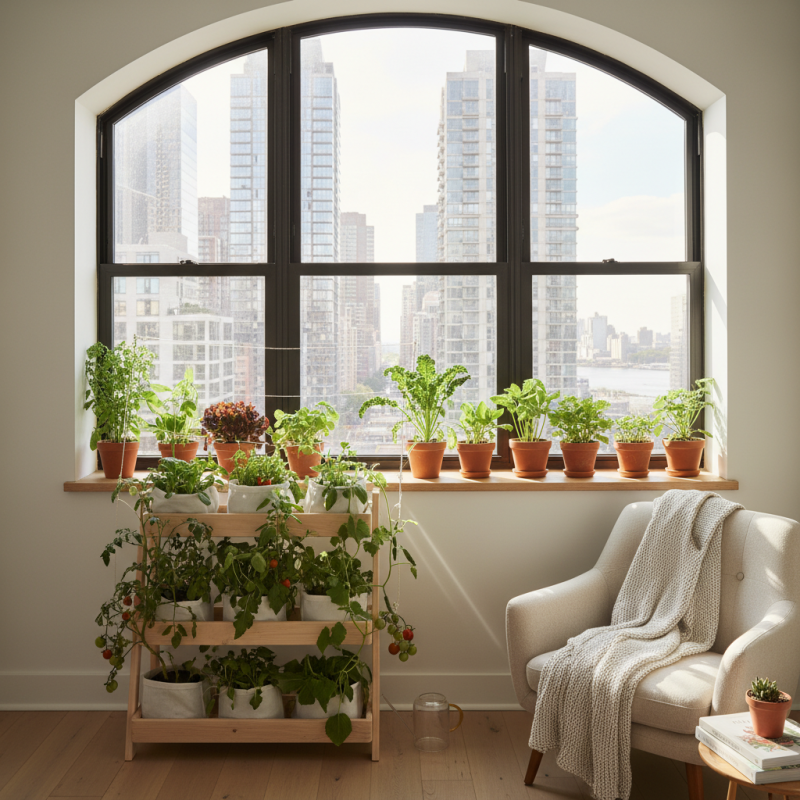
10 Easy Tips to Start a Vegetable Garden in Your Apartment?

Choosing the Right Container Size for Your Apartment Vegetable Garden

When starting a vegetable garden in your apartment, choosing the right container size is crucial. Research shows that the size of the container directly impacts plant growth. A study published by the American Society for Horticultural Science indicates that larger containers can enhance root development and nutrient absorption. For most vegetables, a minimum of 5 gallons is recommended for optimal growth.

Containers should provide adequate space but also fit your apartment's layout. Consider the specifics of your space. If you have limited room, opt for smaller containers, like 1-3 gallons, for herbs and small plants. These can be placed on windowsills or small shelves. However, they may require more frequent watering and nutrient management.

It's also important to reflect on your gardening habits. Forgetting to water can be a common issue in smaller containers. A smaller volume of soil dries out faster. If you notice plants wilting, reconsider your container choices. Keep in mind that mixing container sizes can offer diversity. Larger containers can serve as focal points while smaller ones add variety. Experimenting with different sizes may lead to unique plant arrangements, but it also requires regular attention and care.

Selecting Suitable Vegetable Varieties for Small Spaces and Containers

Starting a vegetable garden in your apartment can be rewarding. Choosing the right vegetables is crucial for success in small spaces. According to the National Gardening Association, nearly 35% of American homes are growing food in limited spaces. This trend is growing, making the right selection of varieties essential.

For small containers, consider vegetables that have compact growth habits. Herbs like basil and parsley do well in pots. Leafy greens such as spinach and lettuce thrive in limited light. These plants are manageable and don’t require heavy feeding compared to larger vegetables.

Tip: Always check the growth height of your vegetables. You want to avoid overcrowding. Peppers and tomatoes also perform well in small spaces. However, ensure you provide adequate support for taller plants. Monitor their growth regularly for signs of deficiency. Adjust your care as needed.

It is important to remember that not all vegetables adapt to container life. Some might not yield well. Therefore, experimenting with different varieties can help you find the best fit for your apartment. Keep a garden journal to track your plants' performance. This will help refine your choices in future gardening endeavors.

Optimizing Light Exposure for Indoor Vegetable Growth: A Detailed Guide

Finding the right light exposure is crucial for indoor vegetable gardening. Different plants have varying light needs. Leafy greens like spinach thrive in lower light, while tomatoes need bright, direct sunlight. A report from the American Society for Horticultural Science indicates that plants receive an optimal growth boost with at least 12-16 hours of light weekly.


Using grow lights can enhance sunlight for your plants. Adjustable LED lights are an excellent choice. They offer focused light and are energy-efficient. Make sure to hang them 6-12 inches above your plants. Monitor their growth to adjust the height as needed. Watch for signs of light stress: yellowing leaves might mean too much light, while leggy stems indicate insufficient light.


Consider the direction of your windows. South-facing windows provide the most natural light. If your space is limited, try using reflective surfaces to maximize exposure. A study by NASA’s Space Center highlights that reflective materials can increase light absorption by up to 30%. Rotate your plants weekly to ensure they grow evenly. Keep a journal of their growth progress. Not all plants will flourish in the same conditions, so be prepared to grow and learn.

Understanding Soil Composition and Nutrient Requirements for Vegetables

Creating a vegetable garden in your apartment starts with understanding soil composition and its nutrient needs. Quality soil is crucial for healthy plants. Most vegetables thrive in a loose, well-draining medium. A mix of potting soil, compost, and perlite can work wonders. Adjusting the ratios is essential. Too much compost may retain water, leading to root rot.

Nutrients play a vital role in vegetable growth. Key elements include nitrogen, phosphorus, and potassium. These three macronutrients are crucial for strong foliage, root development, and fruit production. Consider adding organic fertilizers. They release nutrients slowly, improving soil health over time. Sometimes, plants may show nutrient deficiencies. Yellowing leaves or stunted growth might indicate poor soil quality.

Regularly testing your soil can be helpful. It allows you to identify any deficiencies or imbalances promptly. It’s easy to overlook soil health amidst the excitement of planting. Neglecting this aspect can lead to disappointment. Fine-tuning soil composition can transform your garden, ensuring lush, thriving vegetables in your limited space.

10 Easy Tips to Start a Vegetable Garden in Your Apartment

Tip Number Tip Description Soil Composition Nutrient Requirements
1 Choose the Right Containers Potting Mix Balanced Fertilizer
2 Select Suitable Vegetables Loamy Soil Nitrogen, Phosphorus, Potassium
3 Ensure Adequate Sunlight Well-Draining Soil Trace Minerals
4 Water Regularly Composted Soil Calcium, Magnesium
5 Use Organic Fertilizers Enriched Potting Soil Organic Matter
6 Practice Crop Rotation Nutrient-Rich Soil Seasonal Nutrient Needs
7 Pest Control Moisture-Holding Soil Vitamins and Amino Acids
8 Support Plant Growth Aerated Soil Macro and Micronutrients
9 Mulch for Moisture Retention Organic Mulch Moisture Smart Nutrients
10 Harvest Regularly Harvested Soil Nutrients for Continued Growth

Effective Watering Techniques and Schedules for Apartment Gardens

Effective watering is crucial for thriving apartment gardens. Overwatering is a common issue. It can cause root rot and other problems. To avoid this, always check the moisture level in your soil. Stick your finger an inch deep. If it feels dry, it’s time to water. This simple test can save your plants.

Watering techniques vary based on your plants' needs. Herbs may require less water than leafy greens. Consider using a spray bottle for delicate herbs. It mimics rain and evenly distributes water. Larger plants may benefit from a watering can. It allows for targeted watering at the base. Remember, consistency is key. Establish a watering schedule that fits your routine.

During hot summer days, be mindful of evaporation. The best time to water is in the early morning or late afternoon. This helps retain moisture. Check your plants daily, as their needs may change. Observe how quickly the soil dries out. Creating a journal can be helpful. This way, you can track your plants’ preferences and adjust accordingly. Gardening is a learning experience, and every plant teaches you something new.

FAQS

: What is the ideal container size for most vegetables in an apartment?

: A minimum of 5 gallons is recommended for optimal growth of most vegetables.

How should I choose container sizes based on my apartment space?

Consider your layout. For limited room, use smaller 1-3 gallon containers for herbs and small plants.

What are the watering challenges with smaller containers?

Smaller containers dry out faster, so they may need more frequent watering and attention.

How can I improve light exposure for indoor vegetables?

Use grow lights, placing them 6-12 inches above plants. Monitor growth and adjust height as needed.

What signs indicate light stress in plants?

Yellowing leaves may suggest too much light, while leggy stems indicate insufficient light.

How often should indoor vegetables receive light?

Provide at least 12-16 hours of light weekly for optimal growth.

What watering technique is best for delicate herbs?

Using a spray bottle mimics rain and evenly distributes water for delicate herbs.

When is the best time to water plants?

Water in the early morning or late afternoon to reduce evaporation and retain moisture.

Why is consistency important in watering?

Establishing a watering schedule helps meet plants' needs and prevents over or under-watering.

How can I track my plant's needs over time?

Keep a journal of their growth progress and adjust care based on their preferences.

Conclusion

Starting a vegetable garden in a small apartment may seem challenging, but with the right approach, it can become an enjoyable venture. To begin, it's crucial to choose the right container size that fits your limited space while ensuring proper drainage. Selecting suitable vegetable varieties that thrive in small areas and containers is key; opt for crops that grow vertically or require minimal space. Additionally, understanding how to provide optimal light exposure is essential for indoor vegetable growth, as many plants need direct sunlight or grow lights.

Moreover, grasping the fundamentals of soil composition and nutrient requirements will help support healthy plant development. Implementing effective watering techniques and schedules will keep your plants hydrated without overwatering. By following these easy tips, you’ll discover how to start a vegetable garden in a small apartment successfully and enjoy the fruits of your labor right at home.

Oliver

Oliver

Oliver is a seasoned marketing professional with a wealth of expertise in driving brand awareness and engagement. With a deep understanding of our company's product offerings, he consistently delivers high-quality content that enriches our professional blog. His insights not only shed light on......