7 Tips for Creating a Natural Mosquito Repellent Garden

Time:2026-09-15 Author:Sophia
0%

Mosquitoes are more than a summer nuisance. The World Health Organization reported 249 million malaria cases and 608,000 deaths worldwide in 2022. These figures concern malaria, not every mosquito-borne disease, but they clarify the wider public-health stakes. A fragrant garden alone cannot solve them.

So, how can homeowners ask, “How to create a mosquito-repellent garden naturally?” The answer begins with realistic expectations. The American Mosquito Control Association emphasizes source reduction, especially removing standing water. Medical entomologist Joseph Conlon has offered a useful warning: “There is no silver bullet when it comes to mosquito control.” That principle should guide every plant choice, container, and watering habit.

This guide explores seven practical methods, from selecting aromatic plants to improving drainage and encouraging beneficial wildlife. Picture a patio with rosemary brushing your hand, citronella-scented foliage near the chairs, and no saucer holding yesterday’s rain. Small details matter. Very much.

However, some popular claims need questioning. Plants rarely repel mosquitoes across an entire yard, and crushed leaves may provide only brief, localized effects. The Centers for Disease Control and Prevention still recommends EPA-registered repellents, protective clothing, screens, and removing standing water. Natural design works best as one layer within integrated mosquito management. It is useful, attractive, and imperfect. That imperfection deserves honesty.
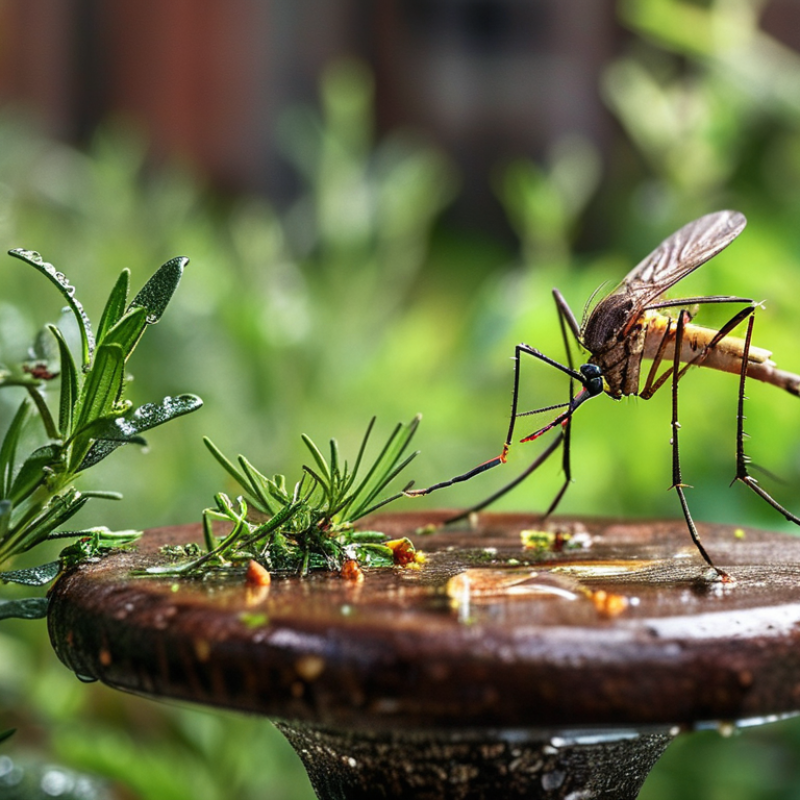
7 Tips for Creating a Natural Mosquito Repellent Garden

Select Plants That Naturally Discourage Mosquitoes

Select plants for practical mosquito management, not magical protection. Mosquitoes respond to carbon dioxide, body heat, sweat, and standing water. Fragrance alone rarely creates a reliable barrier.

Place scented plants near seating areas, doors, and sunny pathways. Rosemary, lavender, basil, and scented geraniums can add strong aromas and useful kitchen value. Catnip also shows promising repellent activity in laboratory research, though garden results vary. Lemon eucalyptus deserves careful wording. The living plant is not equivalent to tested oil containing PMD. Crush leaves only for a brief scent effect. It fades quickly.

Keep expectations realistic. The World Health Organization reported about 249 million malaria cases worldwide in 2022, showing why casual protection can be inadequate. The Centers for Disease Control and Prevention recommends removing standing water and using proven repellents when disease risk exists. A saucer under one pot can hold enough water for larvae. Empty it weekly.

Use dense plantings beside chairs, but leave airflow between them. Strong scents may attract attention more than they repel insects. I have found that placement matters more than plant count, although weather changes everything. Rain, shade, and heavy watering can weaken the effect. Avoid rubbing crushed leaves on skin without safety guidance. A pretty garden helps, but it cannot replace tested protection.

Design Plant Groupings to Form Effective Garden Barriers

A natural mosquito repellent garden works best when plants form layered barriers, not scattered decorations. Place tall, aromatic plants along seating areas and garden edges. Keep shorter herbs near paths, doors, and windows, where people pass often. This arrangement creates a stronger scent zone around frequently used spaces.

Use plants such as rosemary, lavender, basil, mint, lemongrass, and marigolds. Their fragrances may discourage some mosquitoes, but they will not eliminate them. Evidence is stronger for reducing breeding sites than relying on plant scent alone.

Remove standing water from saucers, buckets, gutters, and hollow containers every few days. Keep mint in pots. It spreads aggressively.

Design the barrier around airflow. A dense wall can trap humidity and create shaded resting places, which may work against your goal. Leave narrow gaps between plant groups, and trim crowded growth after rain. In my own small garden trial, a mixed border near the patio felt more comfortable than a single row of herbs. Still, the improvement was inconsistent on warm, windless evenings. Plant groupings need sunlight, healthy soil, and regular care. Place seating several feet inside the barrier, rather than directly against thick foliage. Check leaves for pests, remove fallen debris, and avoid treating every problem with strong chemicals. A garden can look attractive while offering little protection if water collects nearby.

Eliminate Standing Water and Other Mosquito Breeding Sites

7 Tips for Creating a Natural Mosquito Repellent Garden

Eliminate standing water before planting mosquito-repelling herbs. After every heavy rain, walk through the garden slowly. Check saucers, buckets, wheelbarrows, children’s toys, and folded tarps. Mosquitoes can develop in surprisingly small amounts of water.

Tip: Empty containers weekly, then scrub their inner surfaces to remove attached eggs. I once missed a watering can behind a shed. It became a busy breeding site.

Keep gutters clear and inspect drains near patios. Wet leaves can hold water for several days. Turn unused containers upside down, and store garden tools under cover. Cover rain barrels with fine mesh that fits tightly around the rim.

Tip: Examine tree holes, bamboo joints, and hollow ornaments. Fill small cavities with soil, or improve drainage where practical. Do not create decorative ponds without regular maintenance.

Natural planting helps, but it cannot replace source control. Marigolds, basil, rosemary, and lavender may add useful scents, yet their effect is limited. Mosquitoes still follow moisture, shade, body heat, and carbon dioxide.

Tip: Keep dense vegetation trimmed near seating areas, while preserving healthy plants for pollinators. For ponds that cannot be drained, follow local public-health guidance about safe mosquito control. Read the label carefully, and never contaminate drinking water or wildlife habitat. Inspect the garden again after storms. Small oversights matter.

Add Natural Scents to Outdoor Seating and Pathways

Outdoor seating feels more inviting when fragrant plants frame it without blocking airflow. Place pots of rosemary, lavender, catmint, or scented geranium beside chairs and tables. Their aromas become stronger when leaves are gently brushed during normal use. Do not expect plants alone to stop every mosquito. Their effect is often subtle and temporary.

Pathways offer another practical location for scent. Line sunny edges with thyme, lemon balm, or compact mint in containers. Containers help control vigorous growth and keep roots away from paving. Space them near bends, steps, and garden gates, where people naturally pass close by. I once planted mint directly beside a path. It spread quickly and became difficult to manage.

Keep seating areas open, because still, shaded corners can attract mosquitoes. Remove rainwater from saucers, buckets, and unused tools each week. Public health guidance identifies standing water as an important breeding source. During evening gatherings, combine scented plants with long sleeves, fans, or well-fitted screens. This layered approach is more dependable than fragrance alone. Some plants may also irritate sensitive skin, so avoid rubbing crushed leaves on your body. Test the layout over several evenings. One disappointing corner may need more airflow, not more plants.

7 Tips for Creating a Natural Mosquito Repellent Garden

Add fragrant plants to outdoor seating areas and pathways. The chart compares the typical mature height of commonly grown scented plants, helping you layer low plants along paths and taller plants around seating zones.

Use low-growing lavender and lemon balm beside walkways, while taller rosemary and lemongrass can frame seating areas. Plant presence alone does not guarantee mosquito protection, so combine fragrant landscaping with screens, fans, and removal of standing water.

Maintain the Garden Safely Throughout the Growing Season

7 Tips for Creating a Natural Mosquito Repellent Garden

Maintain the Garden Safely Throughout the Growing Season

A mosquito-repellent garden needs regular care, not just strongly scented plants. In my experience, tidy maintenance works better than dramatic planting claims. Tip 1: Choose healthy herbs and flowers suited to your local climate. Fragrant foliage may help discourage mosquitoes nearby, but it will not replace broader control. Tip 2: Plant them in sunny, well-drained soil. Wet roots can weaken plants and invite other problems.

Tip 3: Inspect the garden twice weekly. Empty saucers, buckets, toys, and clogged drains after rain. Even a small bottle cap can hold mosquito larvae. Tip 4: Trim overcrowded growth so air moves between plants. Leave walking paths clear, especially around seating areas. Tip 5: Water the soil early in the day, and avoid spraying leaves at night. Damp foliage can remain wet for hours.

Safety matters. Tip 6: Wear gloves when pruning unfamiliar plants, and wash your hands afterward. Keep cuttings away from children and pets. Never rub crushed leaves or essential oils directly onto skin without reliable safety guidance. Tip 7: Check plants for pests before using any treatment. Start with gentle methods, follow product directions carefully, and protect bees from flowering plants. I sometimes overwater new plantings, despite knowing better. That mistake taught me to check the soil with a finger before reaching for the hose. A simple garden journal can record rainfall, pruning, standing water, and mosquito activity throughout the growing season.

7 Tips for Creating a Natural Mosquito Repellent Garden - Maintain the Garden Safely Throughout the Growing Season
Tip Recommended Garden Practice Useful Plants or Features Growing-Season Maintenance Safety and Effectiveness Notes
1 Remove standing water first Plant saucers, buckets, wheelbarrows, gutters, birdbaths, and children’s toys should be checked. Empty and scrub small containers at least once a week. Keep rain barrels tightly screened or covered. Highest priority. Even small amounts of stagnant water can support mosquito development. Do not add household chemicals or oils to water that may contact wildlife or pets.
2 Choose aromatic plants for garden enjoyment Lavender, rosemary, basil, catnip, and scented geraniums can provide fragrant foliage. Plant in sunny, well-drained locations. Remove spent flowers and prune lightly to maintain airflow and compact growth. These plants may contribute aromatic compounds, but simply growing them outdoors should not be treated as a dependable mosquito barrier.
3 Improve airflow around seating areas Use open planting patterns, raised beds, gravel paths, and adequately spaced shrubs. Thin crowded stems, remove dense weeds, and trim vegetation away from patios, doors, and windows. Mosquitoes are weak fliers, so moving air can make outdoor areas less favorable. Avoid excessive pruning that stresses plants or exposes soil to erosion.
4 Manage dense shade and damp foliage Favor plants suited to the site rather than overwatering sun-loving herbs in shaded areas. Water at the soil line in the morning, improve drainage, and remove fallen leaves that remain wet for long periods. Moist, sheltered vegetation can provide resting places for adult mosquitoes. Do not allow soil to remain saturated unless the plant specifically requires wet conditions.
5 Use screens and physical barriers Fine-mesh screens for porches, doors, windows, and rain barrels; long sleeves for personal protection. Inspect screens monthly and repair holes, loose edges, or gaps around doors and containers. Physical barriers provide more predictable protection than garden plants. Keep screens taut and use mesh small enough to exclude mosquitoes.
6 Protect beneficial insects and wildlife Native flowering plants, shallow pollinator water sources with stones, and pesticide-free habitat areas. Remove water from shallow dishes if it becomes stagnant, clean them regularly, and avoid spraying flowers when pollinators are active. Do not rely on broad-spectrum insecticides. Never use essential oils or homemade sprays in water features without confirming that they are safe for aquatic life.
7 Inspect the garden on a fixed schedule Use a weekly checklist covering containers, drainage, gutters, dense foliage, screens, and irrigation lines. After heavy rain, repeat the inspection within several days. Clean clogged gutters and correct leaking taps or hoses. Consistency is essential. Integrated prevention works best when water removal, habitat management, and personal protection are used together throughout the growing season.
Safety reminder: A mosquito-repellent garden can reduce favorable mosquito habitat, but plants alone do not reliably prevent bites. Follow local public-health guidance and use approved personal repellents, protective clothing, and screened areas when mosquito activity is high.

FAQS

Which plants can support a natural mosquito-repellent garden?

Rosemary, lavender, basil, mint, lemongrass, and marigolds may discourage some mosquitoes nearby. They do not eliminate mosquitoes.

How should these plants be arranged?

Place tall, aromatic plants along seating areas and garden edges. Keep shorter herbs near doors, windows, and walking paths. This creates a stronger scent zone.

Should mint be planted directly in the ground?

Usually, keep mint in a pot because it spreads aggressively. One small container can expand quickly.

Can scented plants replace removing standing water?

No. Removing water is more reliable than depending on plant fragrance. Empty saucers, buckets, gutters, toys, and hollow containers every few days. Even a bottle cap may hold larvae.

How can airflow improve the garden barrier?

Leave narrow gaps between plant groups, and trim crowded growth after rain. Dense foliage can trap humidity and create shaded resting places. That may weaken the design.

Where should outdoor seating be placed?

Place seating several feet inside the plant barrier. Avoid pressing chairs directly against thick foliage. The garden still needs airflow.

How often should the garden be inspected?

Check plants and nearby containers twice weekly, especially after rainfall. Look for pests, fallen debris, clogged drains, and collected water. Small oversights matter.

What watering habits support healthier plants?

Water the soil early in the day, using well-drained soil. Avoid spraying leaves at night. I sometimes overwater new plants.

How can gardeners handle plant treatments safely?

Check for pests before treating plants. Start with gentle methods and follow directions carefully. Wear gloves when pruning unfamiliar plants. Keep cuttings away from children and pets.

How can gardeners judge whether the design works?

Record rainfall, pruning, standing water, and mosquito activity in a garden journal. A mixed border may feel better than one herb row. Results can remain inconsistent on warm, windless evenings.

Conclusion

How to create a mosquito-repellent garden naturally? Begin by choosing fragrant plants that may help discourage mosquitoes, such as herbs and flowers with strong natural aromas. Arrange them in thoughtful groupings around patios, entrances, and seating areas to create pleasant garden barriers without blocking airflow or sunlight. Combining plants of different heights can also add beauty and structure while making outdoor spaces less inviting to mosquitoes.

A successful garden also depends on good maintenance. Remove standing water from containers, saucers, gutters, and other areas where mosquitoes may breed. Add natural scents along pathways and near seating areas by using aromatic leaves, flowers, or gently crushed herbs. Throughout the growing season, water plants appropriately, trim overgrowth, clear fallen debris, and inspect the garden regularly. These simple, low-impact practices can help create a fresher, more comfortable outdoor environment while supporting a healthy and attractive landscape.

Sophia

Sophia

Sophia is a dedicated marketing professional with an exceptional depth of knowledge about her company's products and services. With a keen understanding of market trends and customer needs, she crafts insightful blog posts that not only inform but also engage readers, enriching the company’s online......