Many people enjoy having houseplants, but pet owners face a unique challenge. The presence of greenery can enhance your home, but it could also pose risks to your furry friends. It's crucial to know what common houseplants are toxic to cats and dogs.
Certain plants, like lilies and philodendrons, can lead to serious health issues if ingested. Symptoms may vary from mild gastrointestinal upset to severe reactions. Pet owners often overlook the potential hazards associated with these plants.
Understanding which plants can be harmful is essential. Your cat or dog might mistake a leaf for a toy or a treat. Each plant has its own toxicity level, meaning some are more dangerous than others. This awareness can guide your choices, ensuring a safe environment for your pets. Be proactive and informed to help your pets thrive alongside your beloved houseplants.
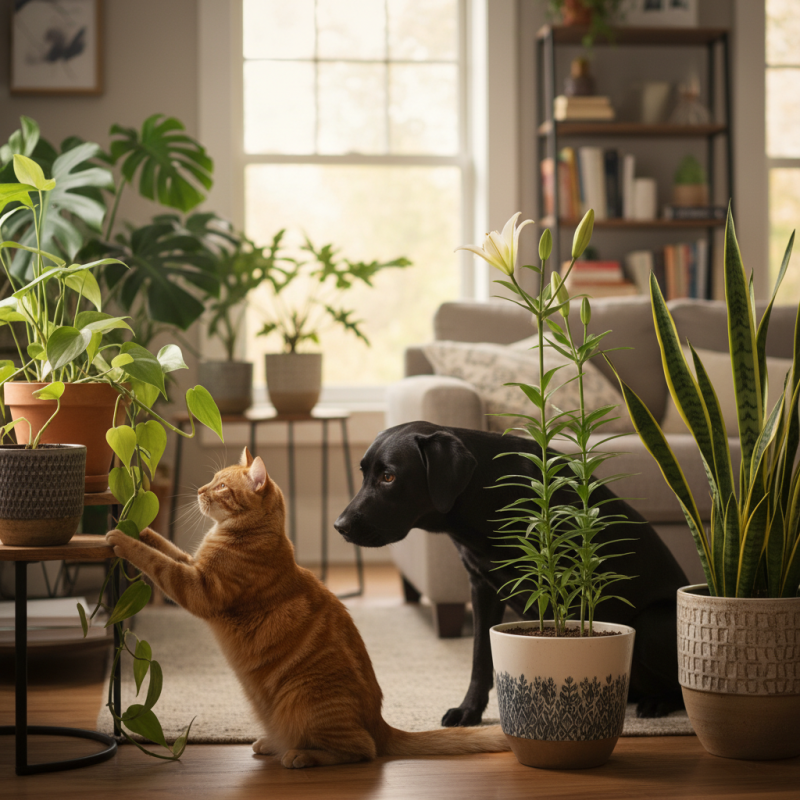
When it comes to household greenery, many plant lovers don't realize the potential dangers these beauties can pose to pets. Certain common houseplants are toxic to cats and dogs, leading to serious health concerns if ingested. It's crucial to know which plants to keep out of reach or even avoid altogether. For instance, the popular pothos plant can cause vomiting and irritation if a curious cat decides to nibble on it.
Another plant that may surprise pet owners is the peace lily. While it adds a lovely touch to your home decor, it is toxic and can lead to swelling in pets' mouths. This can cause drooling and difficulty swallowing. Understanding the toxicity levels of these plants is vital. Many plants are toxic to some extent but may not always result in severe consequences. However, it’s better to err on the side of caution.
Research reveals that some plants, like philodendrons, often lead to mild reactions, while others could be fatal. Even when pets appear fine after exposure, lingering symptoms may arise. Regularly educate yourself about plant safety. Relying on just visual appeal can sometimes hide inconvenient truths. Always consult a veterinarian for advice if you suspect your pet has ingested something harmful.
Many common houseplants contain compounds harmful to pets. Understanding which plants are toxic is crucial for keeping your cats and dogs safe. For example, plants like philodendron and pothos have calcium oxalate crystals. These can cause irritation and discomfort if ingested. Symptoms may include vomiting or drooling, which are signs your pet could be in distress.
Tips: Keep these plants out of reach. Consider placing them on high shelves or in rooms where pets do not have access. Monitor your pets closely when introducing new plants to your home.
Another common plant, the lily, poses a serious risk to cats. Even small amounts are dangerous, leading to acute kidney failure. Dog owners should also be cautious of plants like azaleas. These can cause heart issues if consumed. Pay attention to your pet's behavior after exposure to any plant.
Tips: Use pet-safe alternatives if you're unsure. Look for plants specifically listed as non-toxic. Regularly review the plants in your home. Learning about toxic compounds can prevent potential health issues for your furry friends.
| Houseplant | Toxic to Cats | Toxic to Dogs | Toxic Compounds |
|---|---|---|---|
| Peace Lily | Yes | Yes | Calcium oxalate crystals |
| Philodendron | Yes | Yes | Calcium oxalate crystals |
| Aloe Vera | No | Yes | Saponins |
| Pothos | Yes | Yes | Calcium oxalate crystals |
| Spider Plant | No | No | Non-toxic |
| Boston Fern | No | No | Non-toxic |
When considering houseplants, it’s vital to understand their impact on pets. Different species can cause varying reactions in cats and dogs. For instance, while a plant like philodendron may lead to gastrointestinal upset in both, cats might face more severe symptoms due to their unique physiology. Dogs are generally hardier but still vulnerable to certain plants.
If you’re a pet owner, here are some tips: Always research the toxicity of a plant before bringing it home. Consider placing plants in areas inaccessible to your pets. This simple barrier can provide extra safety. Regularly monitor your pets' behavior around plants. If you notice strange symptoms like vomiting, consult a veterinarian promptly.
Remember, not all plants are toxic. Some can even be beneficial. However, identifying safe species can be challenging. Look for reputable sources or guides that specifically address pet toxicity. Your dedication to your pets’ well-being is essential. By learning about potential hazards, you're taking significant steps to ensure a safe environment for them.
Houseplants can brighten your home, but they might pose risks to your pets. Many common houseplants contain toxins that affect cats and dogs. It's crucial to recognize the symptoms of poisoning in your furry friends. Observing their behavior closely can help prevent serious health issues.
Look for signs like drooling, vomiting, or lethargy. Some pets may experience gastrointestinal distress. In more severe cases, pets might have difficulty breathing or exhibit unusual restlessness. You might notice them pawing at their mouths or refusing food. These symptoms can vary between animals, making vigilant observation essential.
If you suspect your pet has ingested a toxic plant, consult a veterinarian immediately. Don't wait for symptoms to worsen. Keeping potentially harmful plants out of reach is a proactive step. Research and choose pet-safe options to decorate your space while ensuring your pets stay healthy. Always prioritize your pets' well-being over aesthetic choices.
When choosing houseplants, pet owners should prioritize safety. Many common plants are toxic to cats and dogs, leading to health risks. However, there are plenty of beautiful, non-toxic alternatives that safely brighten your home.
Consider options like spider plants and bamboo palms. These plants are pet-friendly and can thrive in various indoor conditions. They also help purify the air. Remember to place them in spots where your pets can't easily knock them over.
Tips for pet-safe plants: Always research before bringing new greenery into your home. Consult with your veterinarian about safe plants for your specific pets. Keep your plants out of reach as curious pets may still nibble. Regularly check for any signs of distress in your pets and be prepared to remove any plants if needed.
: Plants like philodendron, pothos, and lilies can harm pets. These can cause issues like vomiting or irritation.
Place plants on high shelves or in closed rooms. Monitor your pets closely to avoid accidental consumption.
Look for vomiting, drooling, or abnormal behavior. These might indicate your pet is in distress.
No, some houseplants are safe. Research which plants are non-toxic before adding new greenery to your home.
Immediately consult a veterinarian. Swift action can help address potential health issues.
Yes, cats and dogs may have varying reactions to certain plants. Cats can be more sensitive to toxins.
Consider spider plants and bamboo palms. They are non-toxic and can enhance indoor air quality.
Yes, your vet can recommend plants that are safe for your specific pets. It’s a good precaution.
Regular checks are essential. Observe for signs of distress in your pets and ensure plants are secure.
Research its toxicity. Reliable online guides or veterinary advice can help you make informed decisions.
The article "Are These Common Houseplants Toxic to Your Cats and Dogs" provides a comprehensive overview of the toxicity of popular houseplants to household pets. It begins by categorizing common houseplants and discussing the toxic compounds they may contain, which can pose serious risks to cats and dogs. It emphasizes the importance of understanding species-specific reactions, as cats and dogs may react differently to the same plants. The article also outlines the key symptoms of poisoning, helping pet owners recognize signs of distress in their furry companions.
In addressing the critical question, "What common houseplants are toxic to cats and dogs?", the article highlights specific plants known for their harmful effects. Additionally, it offers safe alternatives, guiding pet owners towards non-toxic houseplants to ensure a safe and healthy environment for their pets. This informative piece serves as a valuable resource for pet owners looking to make informed choices regarding their plant selections.

Sativa Plant