Root rot is a common issue that plagues many plants. It often leads to yellowing leaves, stunted growth, and ultimately, the decline of the plant. The question arises: Can a dying plant be saved after root rot? This predicament confronts gardeners and plant enthusiasts alike. Understanding root rot is essential for recovery.
When root rot occurs, it typically results from overwatering or poor drainage. The roots become damaged and unable to absorb nutrients. However, some plants possess a remarkable resilience. With proper care, there is hope for revival. The process involves assessing the plant’s condition, trimming away the rotting parts, and improving its environment.
Preventive measures are equally important. Well-draining soil and appropriate watering techniques can greatly reduce the risk of root rot. Acknowledging our role in the plant’s health is crucial. Reflecting on our care methods can lead to better outcomes in the future. Recovery may not always be possible, but every effort counts towards saving a struggling plant.
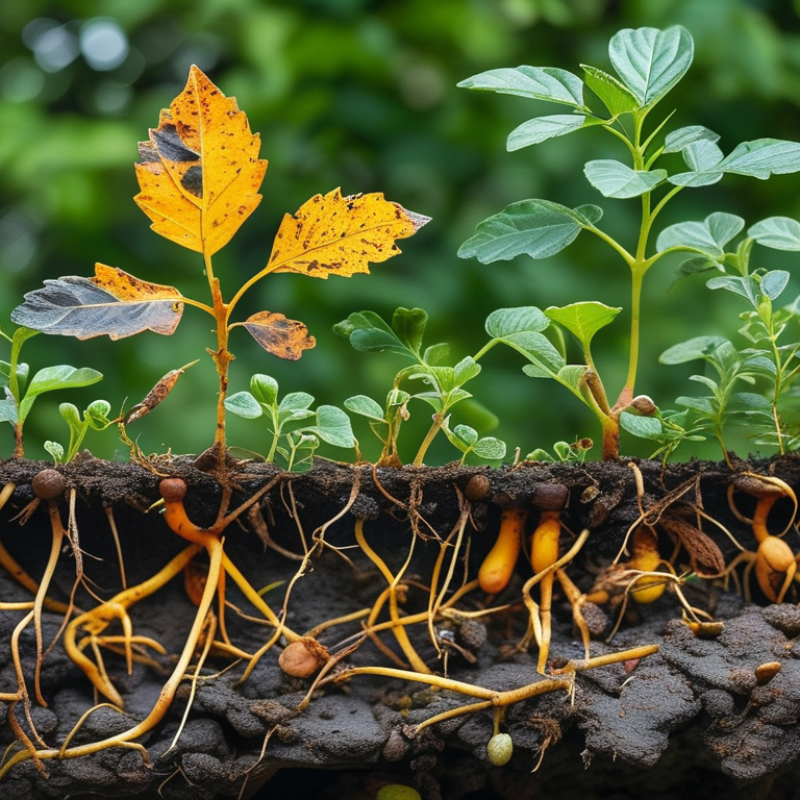
Causes of Root Rot in Plants
Root rot is a common issue that affects many home gardeners. It usually stems from overwatering, poor drainage, and unhealthy soil conditions. The roots of a plant can become waterlogged, leading to decay. This decay hampers the plant's ability to absorb nutrients and water.
Identifying root rot early is crucial. Signs include wilting leaves, discolored or mushy roots, and an unpleasant odor coming from the soil. Plants may appear dry, yet the soil feels saturated. When you notice these symptoms, it's essential to act quickly. Removing the plant from the pot can reveal the extent of the damage.
Preventing root rot requires attention to watering habits. Ensure pots have adequate drainage holes and plant in well-aerated soil. Monitoring moisture levels is vital. Letting the soil dry out slightly between watering can help. However, be cautious. Overcorrecting by allowing the soil to dry too much can also harm the plant. Balancing moisture levels is key to ensuring a thriving plant.
Symptoms of a Dying Plant Due to Root Rot
Root rot is a common issue that many plant owners face. A dying plant often shows distinct symptoms due to this condition. One of the first signs is yellowing leaves. This yellowing may start at the bottom and gradually move upwards. Another clear indicator is wilting. Even with adequate water, leaves may droop, indicating that roots are damaged and cannot absorb nutrients properly.
According to a study by the American Society of Agronomy, about 30% of potted plants suffer from root rot annually. The report highlights that root rot is mainly caused by overwatering and poorly draining soil. Foul odors emanating from the soil can also be a major red flag, indicating the presence of pathogens like fungi. Additionally, stunted growth often accompanies root rot. Affected plants struggle to produce new leaves or blooms.
A closer look at the root system reveals additional issues. Healthy roots should appear white and firm, but root rot causes them to turn brown and slimy. This decay makes it difficult for plants to absorb water and nutrients, leading to a cycle of deterioration. While effective treatments exist, one must acknowledge that recovery is not guaranteed. Reflecting on these signs can help gardeners recognize and address root rot before it's too late.
Symptoms of a Dying Plant Due to Root Rot
This bar chart illustrates the frequency of symptoms associated with plants suffering from root rot. Understanding these symptoms is crucial for identifying and addressing root rot effectively.
Steps to Diagnose Root Rot in Your Plant
Diagnosing root rot begins with visual examination. Check the plant's leaves for yellowing or wilting. These signs often indicate poor health. Pull the plant from its pot gently. Healthy roots should be white or light tan. Roots affected by rot are typically brown and mushy. This visual cue is essential in determining the extent of the problem. According to studies, up to 90% of houseplant deaths are linked to root rot.
Feel the soil moisture. Overly saturated soil fosters rot. Use your fingers or a moisture meter to get an accurate reading. The top inch of soil should be dry before watering again. Additionally, smell the soil. A foul odor can suggest anaerobic conditions, promoting root rot development. Research indicates that pathogens thrive in these environments, leading to irreversible damage.
Don't ignore the pot's drainage. A pot with poor drainage increases the risk of root rot. Consider repotting into a larger container with proper drainage holes. Reflect on your watering habits. Adjusting your care routine is paramount. Remember, the goal is recovery, and accurate diagnosis is the first step on this journey.
Methods to Save a Plant Affected by Root Rot
Root rot can devastate plants, but recognizing the signs early is crucial.
Yellowing leaves and wilting are key indicators.
According to the American Phytopathological Society, up to 30% of potted plants suffer from root rot at some point.
This means that many gardeners face this challenge repeatedly.
To save a plant affected by root rot, timely intervention is essential.
Start by carefully removing the plant from its pot, taking care not to damage the healthy roots.
Inspect the roots; brown, mushy roots need to be trimmed away.
Use sharp scissors or pruning shears for a clean cut. This reduces the risk of infection and promotes healthy regrowth.
The American Society for Horticultural Science reports that effective pruning techniques can improve a plant's chances of recovery by over 40%.
Next, repot the plant in fresh, well-draining soil.
Ensure the new pot has proper drainage holes.
Overwatering is often a leading cause of root rot.
Adjust your watering schedule based on the plant’s needs.
Remember, it's better to underwater than overwater during recovery. Understanding these nuances can be the difference between failure and saving your plant.
Preventive Measures Against Root Rot in the Future
Preventing root rot is crucial for plant health. Overwatering is the most common cause. Ensure your pots have good drainage. Avoid letting plants sit in water. Monitor soil moisture regularly. Use your finger to check it.
Consider the type of soil you use. Well-draining soil helps roots breathe. Mix in perlite or gravel for added drainage. Enhancing soil aeration can prevent dampness. Be cautious with heavy, compact soils. They encourage rot and create a breeding ground for fungi.
When you notice early signs of trouble, act quickly. Prune away affected roots. Treat the plant with a fungicide if necessary. Reschedule watering habits to suit the plant’s needs. Reflect on past care routines. Mistakes happen. Learning from them helps future plant care.
FAQS
: Yellowing leaves and wilting are initial signs. These usually start at the bottom and move upwards.
Affected plants show stunted growth. They struggle to produce new leaves or blooms.
Root rot mainly results from overwatering and poorly draining soil. Excess moisture leads to root damage.
Healthy roots should be white and firm. If they appear brown and slimy, root rot is likely.
Remove the plant from its pot and inspect the roots. Trim away any brown, mushy parts.
Recovery is not guaranteed. Effective treatment can improve chances, but reflection on each step matters.
Yes, repot the plant in fresh, well-draining soil. Proper drainage is crucial to avoid future issues.
Timely intervention is essential. Early signs should prompt immediate action to improve recovery odds.
It's often better to underwater than overwater during recovery. Monitor the plant’s needs closely.
Use sharp scissors or pruning shears for clean cuts. Avoid damaging healthy roots during the process.
Conclusion
The article titled "Can a dying plant survive root rot and be saved?" explores the detrimental effects of root rot on plants, detailing its common causes such as overwatering, poor drainage, and fungal infections. Recognizing the symptoms of a dying plant, including yellowing leaves and stunted growth, is crucial for early detection. To diagnose root rot, one must inspect the roots for discoloration and mushiness, and consider environmental factors affecting the plant's health.
To save a plant affected by root rot, several methods can be employed, such as pruning damaged roots, improving soil drainage, and adjusting watering practices. Implementing preventive measures, like using well-draining soil and avoiding overwatering, can minimize the risk of future occurrences. Ultimately, the article addresses the question: can a dying plant be saved after root rot? With timely intervention and proper care, recovery is possible, offering hope to struggling plants.

 Sativa Plant