Can a Dying Plant be Saved After Root Rot Solutions?

Time:2026-05-01 Author:Ethan
0%

In the world of gardening, the question often arises: "Can a dying plant be saved after root rot?" Renowned horticulturist Dr. Emily Green emphasizes the significance of quick action. She states, “Immediate intervention can revive a plant that shows early signs of distress.” Root rot is a common issue faced by many plant owners. It typically occurs when plant roots become overly saturated with water, leading to decay.

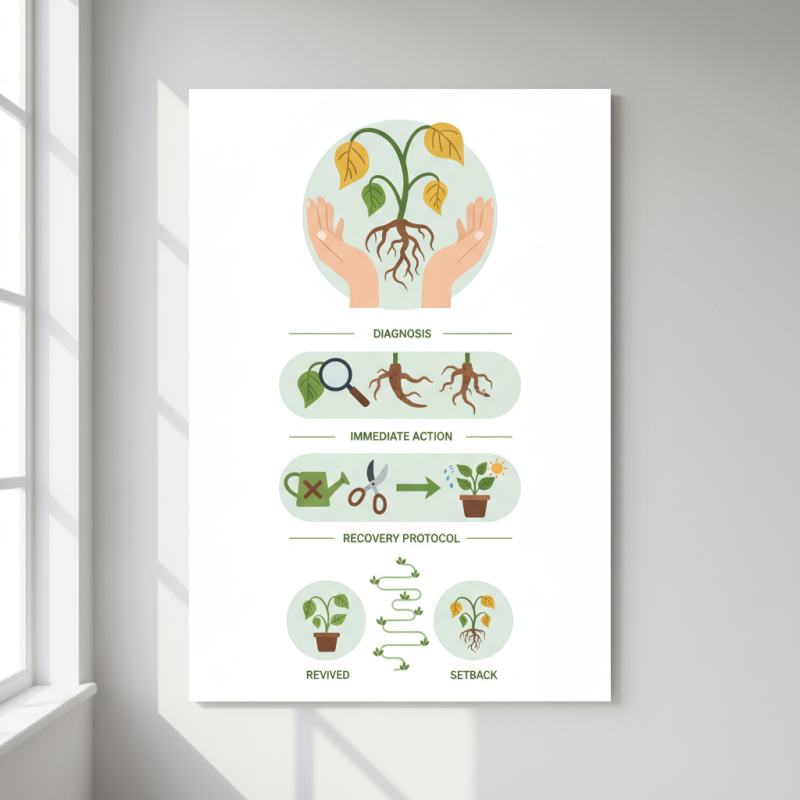
Diagnosing root rot requires keen observation. Yellowing leaves, wilting, or mushy roots signal trouble. If left untreated, a plant’s chance of recovery diminishes rapidly. Successful intervention combines proper watering techniques and timely pruning of affected roots. Yet, sometimes recovery may seem out of reach. This realization can be disheartening.

Understanding the protocol for saving a plant reveals unexpected challenges. Each attempt carries uncertainty. Even experienced gardeners face setbacks. The journey towards healing can be painstaking and requires patience. A plant’s survival hinges on both care and environmental factors. Addressing root rot is an intricate dance of hope and realism.
Can a Dying Plant be Saved After Root Rot Solutions?

Understanding Root Rot: Causes and Symptoms in Plants

Root rot is a common issue in plants that can lead to their demise. Understanding its causes can help enthusiasts identify and mitigate the problem early. Overwatering is a primary culprit. When soil remains soggy, roots cannot breathe. This leads to decay and wilting leaves. Fungal infections often accompany this condition. Affected plants may exhibit dark, mushy roots, signaling severe stress.

Symptoms of root rot can be subtle initially. Yellowing leaves, stunted growth, and an unpleasant odor from the soil are telltale signs. If you notice these symptoms, don't panic. Inspecting the roots is crucial. Healthy roots should be firm and white or pale. If they appear brown or mushy, it's time to act. Pruning damaged roots can sometimes revive the plant. However, be cautious not to remove too much. This can exacerbate the issue.

Even with intervention, recovery is not guaranteed. Some plants may not bounce back fully, especially if root rot progresses too far. It’s essential to evaluate care routines regularly. Ensure pots have drainage and avoid excessive watering. Plants thrive on attention, yet overcare can lead to problems. Observing your plants closely can reveal their needs and vulnerabilities. Each experience adds to your gardening knowledge, enhancing your ability to foster healthy growth.

Assessing the Damage: How to Identify a Dying Plant

A dying plant often signals root rot. Identifying the signs early can save your greenery. Observe your plants regularly. Yellowing leaves or a wilting appearance indicates trouble. Root rot usually follows overwatering. Waterlogged soil suffocates roots. Healthy roots require oxygen. Without it, they can't function properly.


Check for a foul odor. This often points to decaying roots. Gently remove the plant from its pot. Inspect the roots closely. Healthy roots should be firm and white. Dark, mushy roots are a clear sign of rot. Act quickly to address the issue.


Tips: A well-draining potting mix can prevent root rot. Adding perlite or sand improves drainage. Always check the moisture level before watering. Allow the top inch of soil to dry out. This simple practice can save your plants from stress. Remember, not every effort will succeed. Learning from mistakes is essential for better plant care.

Immediate Actions: Steps to Take When a Plant Shows Root Rot

When a plant shows signs of root rot, immediate action is critical. Begin by carefully removing the plant from its pot. Examine the roots closely. Healthy roots should be white and firm. If they appear brown and mushy, those roots are dead. According to horticultural studies, over 30% of houseplants suffer from root rot due to overwatering and poor drainage practices.


Once you assess the condition, prune away any affected roots with sanitized shears. This step is vital as it prevents further spread. Repot the plant in fresh, well-draining soil. Add perlite or sand to enhance drainage. Research suggests that using a mix that includes these materials can improve root health and reduce moisture retention by up to 60%.


Monitor the environment after repotting. Ensure proper light and temperature conditions. Root rot often occurs because of stress factors. Over 50% of surveyed plant owners reported difficulty in maintaining optimal potting conditions. Engaging with the plant’s environment can make a significant difference in recovery. However, patience is key. Recovery might take weeks or even months. You may not see immediate changes, which can be frustrating. Adjust care as needed, reflecting on the plant's responses.

Effective Solutions: Treatments for Reviving a Plant After Root Rot

Root rot can be a devastating condition for plants. It occurs when the roots become waterlogged and susceptible to pathogens. Over 90% of houseplants may experience root rot at some point, leading to wilting leaves and stunted growth. To revive a plant suffering from this condition, immediate action is crucial.

One effective solution involves repotting the plant. This means removing the affected roots and placing the plant in fresh, well-draining soil. Research indicates that using a soil mix with 30% perlite can significantly improve air circulation and drainage. Another option is to treat the roots with a fungicide. Studies from agricultural extensions show that certain fungicides can reduce fungal pathogens by up to 80%.

After implementing these treatments, it's essential to monitor the plant closely. Overwatering is a common mistake; a plant's moisture needs can change significantly after rehabilitation. Many gardeners find it helpful to establish a routine check for soil moisture. Adjusting care based on these observations could lead to effective recovery. This process requires patience and observation, as not all plants recover swiftly.

Prevention Strategies: Keeping Plants Healthy to Avoid Root Rot

Root rot is a common issue for many indoor plants. This condition occurs when roots are submerged in excess moisture. Poor drainage and overwatering are significant contributors. According to research, nearly 30% of houseplants suffer from root rot at some point. Preventing this issue is crucial for plant health and longevity.

To keep plants healthy, it's essential to monitor watering habits closely. Allow the top inch of soil to dry before watering. This simple strategy can significantly reduce the risk of root rot. Additionally, using well-draining potting mixes can enhance drainage. Mixing in perlite or sand can aid in this process. Furthermore, placing pots on gravel trays can help excess water escape.

Environmental factors also play a vital role in plant health. Providing adequate light and airflow can strengthen plant resilience. Studies indicate that plants exposed to proper light conditions are 50% less likely to develop rot. While challenges persist, such as identifying the initial signs of decay, taking preventive measures can make a difference. Regular check-ins on plants can foster a healthier growing environment. Understanding and adapting to plant needs requires ongoing reflection.

FAQS

: What is root rot in plants?

: Root rot is a common problem caused by overwatering and poor drainage. It leads to decayed roots and wilting leaves.

How can I identify root rot early?

Look for yellowing leaves, wilting, and a foul odor from the soil. These symptoms often signal root rot.

What should healthy roots look like?

Healthy roots should be firm and white or pale. If they appear brown or mushy, root rot may have occurred.

What immediate actions should I take if I suspect root rot?

Remove the plant from its pot, inspect the roots, and prune any affected areas with sanitized tools.

How can I prevent root rot?

Use a well-draining potting mix and allow the top inch of soil to dry before watering.

What if my plant doesn't recover from root rot?

Recovery isn't guaranteed. Some plants may struggle, especially if root rot has progressed significantly.

How long does it take for a plant to recover from root rot?

Recovery can take weeks or even months. Patience is needed, and care adjustments may be necessary during this time.

Why is observing my plants important?

Regular observation helps identify their needs and vulnerabilities, enhancing your ability to provide proper care.

What materials can improve drainage in potting soil?

Adding perlite or sand can a significant amount improve drainage and reduce moisture retention in the soil.

Is every gardening effort successful?

No, not every attempt will succeed. Learning from mistakes is essential for better plant care in the long run.

Conclusion

In addressing the question, "Can a dying plant be saved after root rot?", it is essential to understand the underlying causes and symptoms of root rot, which primarily stem from overwatering and poor drainage. Identifying a plant's distress signals, such as yellowing leaves or stunted growth, is crucial for assessing damage. Immediate actions, including removing the plant from its pot and inspecting the roots, are vital to determine the extent of the rot.

To effectively revive a plant affected by root rot, one can implement several treatment solutions. These may involve trimming away the damaged roots, repotting in fresh, well-draining soil, and adjusting watering practices. Moreover, preventive strategies are key to maintaining plant health and avoiding future occurrences of root rot. Regularly monitoring soil moisture and ensuring proper drainage can significantly enhance the resilience of plants against such issues. Ultimately, with swift intervention and the right care, a dying plant can often be saved after experiencing root rot.

Ethan

Ethan

Ethan is a seasoned marketing professional with a deep expertise in our company's innovative product line. With a passion for sharing knowledge and insights, he takes the lead in regularly updating our corporate blog, where he explores industry trends, product features, and effective marketing......